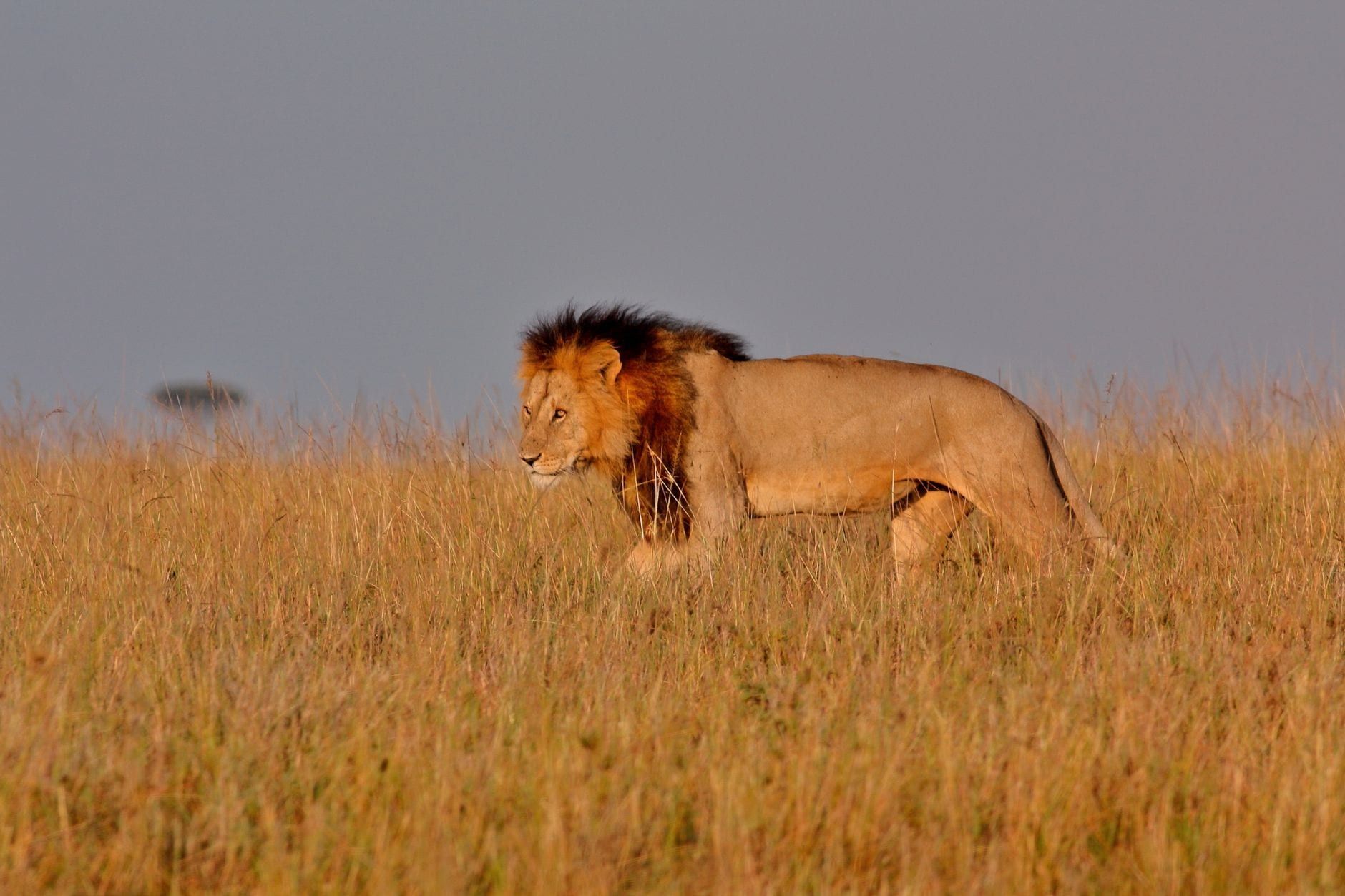
The Masai Mara and the Serengeti are two halves of the same unfenced savannah, split by a colonial-era border the wildlife ignores completely. Roughly 1.3-1.5 million wildebeest and 400,000 zebra circle through both parks on an 800 km annual trek, and the big cats follow them. So the choice between Kenya and Tanzania is rarely about animals. It's about density versus scale, trip length, budget, and which month you can travel.
This guide compares the two parks on everything that actually decides the trip — wildlife odds, migration timing, park fees, access, crowds and activities — and ends with a per-traveler verdict. If you're starting from zero, our guide to planning a Masai Mara safari covers the basics of putting a Kenya trip together.
Masai Mara vs Serengeti at a Glance
| Masai Mara (Kenya) | Serengeti (Tanzania) | |
|---|---|---|
| Size | 1,510 km² reserve; over 3,000 km² with bordering conservancies | ~14,750 km² national park — roughly ten times larger |
| Great Migration window | Mid-July to October; Mara River crossings peak August-September | Year-round; calving Jan-Mar, Grumeti crossings May-Jun, northern crossings Jul-Sep |
| Wildlife | Dense, easy Big Five sightings; strong lion and cheetah numbers; resident game year-round | More animals in total; better odds for leopard, rhino and 500+ bird species |
| Getting there | 45-60 min flight from Nairobi, or a 5.5-6.5 hour drive | 50-70 min bush flight from Kilimanjaro/Arusha, or ~8 hours by road |
| Park fees (non-resident adult) | US$100/day Jan-Jun; US$200/day Jul-Dec | ~US$140 per 24 hours incl. concession fee and taxes |
| Typical stay and best for | 3-4 nights; first-timers, short trips, tight budgets, big-cat photographers | 4-6+ nights; wilderness seekers, calving-season visitors, Tanzania northern-circuit trips |
Two-line verdict: choose the Masai Mara if you want dense wildlife, have three or four nights, or are watching costs. Choose the Serengeti if you have a week, want the calving season in February, or crave the feeling of plains that never end. Everything below explains why.
One Ecosystem, Two Parks: Size, Landscape, and Setting
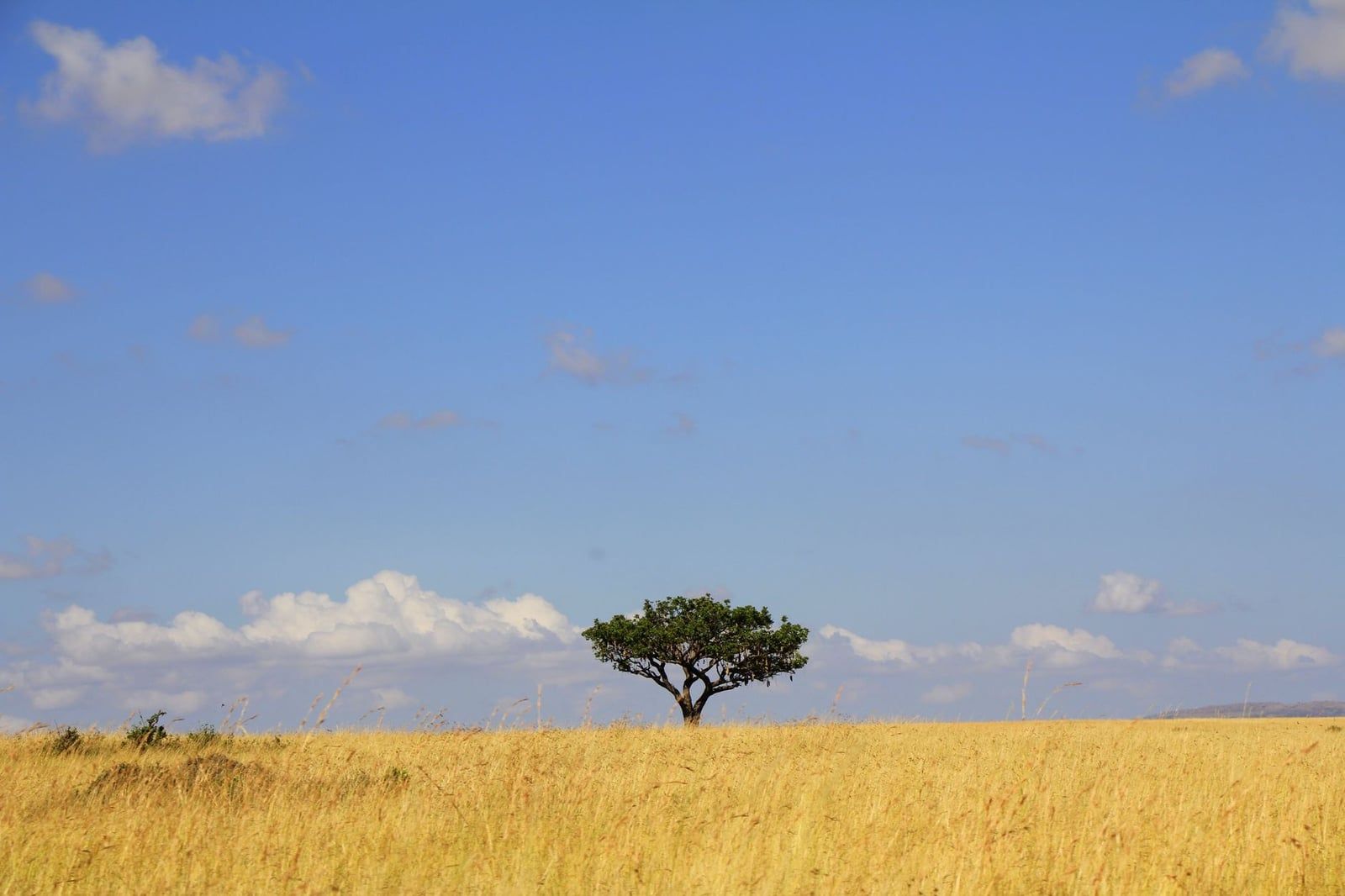
There is no fence along the Kenya-Tanzania border here. The Mara-Serengeti ecosystem covers around 30,000 km² of protected and community land, and animals move through it freely — a lion born in the Mara can wander into the Serengeti without ever noticing it changed countries. That's why the species list is nearly identical on both sides. What differs is how much land those animals have to hide in.
The numbers explain most of the practical differences between the parks. The Serengeti's ~14,750 km² is roughly ten times the Mara's 1,510 km². Game drives usually stay within a 50-70 km radius of your camp, so in the Serengeti your sightings depend heavily on where that camp sits relative to the migrating herds. In the compact Mara, you can cross half the reserve in a morning. Density, not total headcount, is what fills your camera roll — and density is the Mara's game.
The Mara gets bigger than its official boundary suggests. Private conservancies to the north and east — Mara North, Olare Motorogi, Naboisho and Ol Kinyei — push the greater Mara area past 3,000 km², and they come with different rules, which we'll get to. The Serengeti has no equivalent belt of privately run wilderness; it is simply vast.
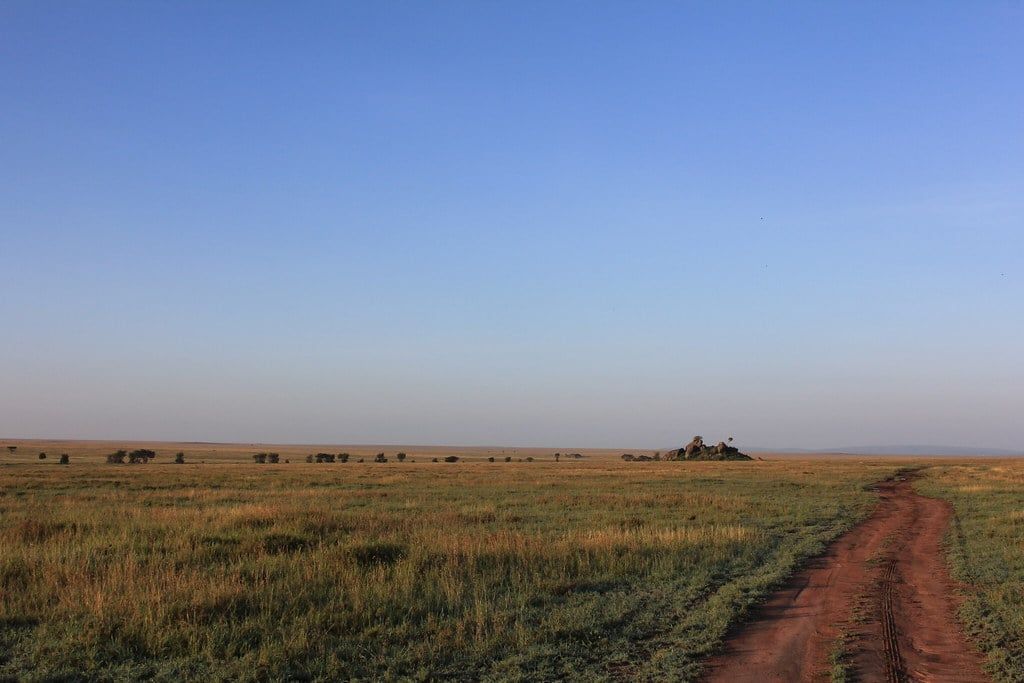
The scenery differs in character. "Serengeti" comes from the Maasai word siringet — the place where the land runs on forever — and the name fits: flat short-, intermediate- and long-grass plains broken by granite kopjes where lions nap in the shade. The Mara is hillier and greener, a rolling plateau of acacia-studded grassland between the Siria (Oloololo) Escarpment and riverine forest along the Mara and Talek rivers. Altitudes overlap enough that the climates feel similar — the Mara sits at 1,500-2,200 m, the Serengeti at 920-1,850 m, and both run cool mornings and warm middays. Pack the same fleece-and-layers kit for either.
Wildlife Showdown: Big Five, Big Cats, and Sightings
Both parks hold the Big Five — lion, leopard, elephant, buffalo and rhino — and close to 90 mammal species in the Mara alone. Across the shared ecosystem, researchers count more than 3,000 lions, around 1,000 leopards and 8,000+ hyenas. Those are the highest predator densities in Africa. Your odds of finding them, though, depend on which park you're standing in.
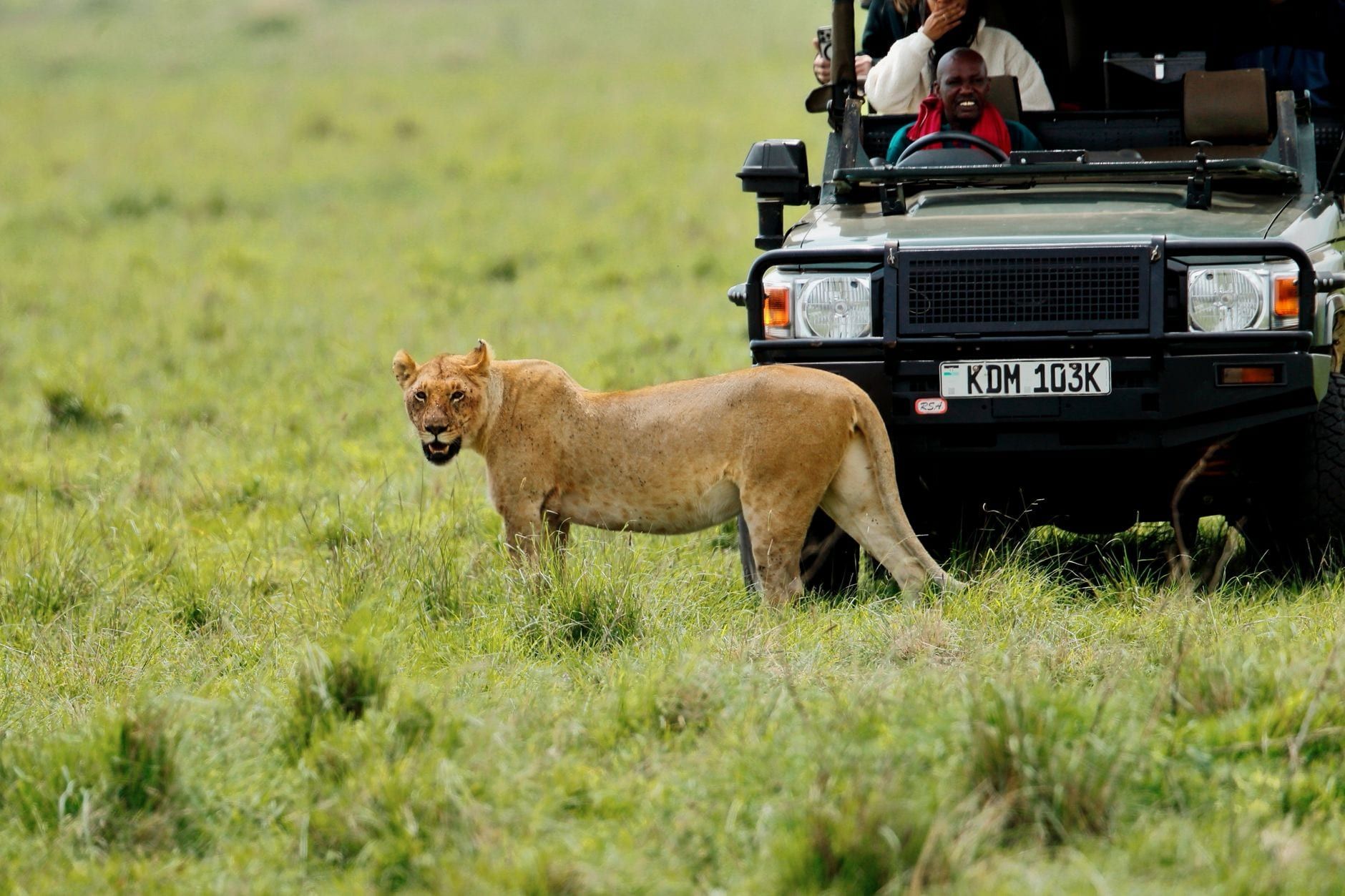
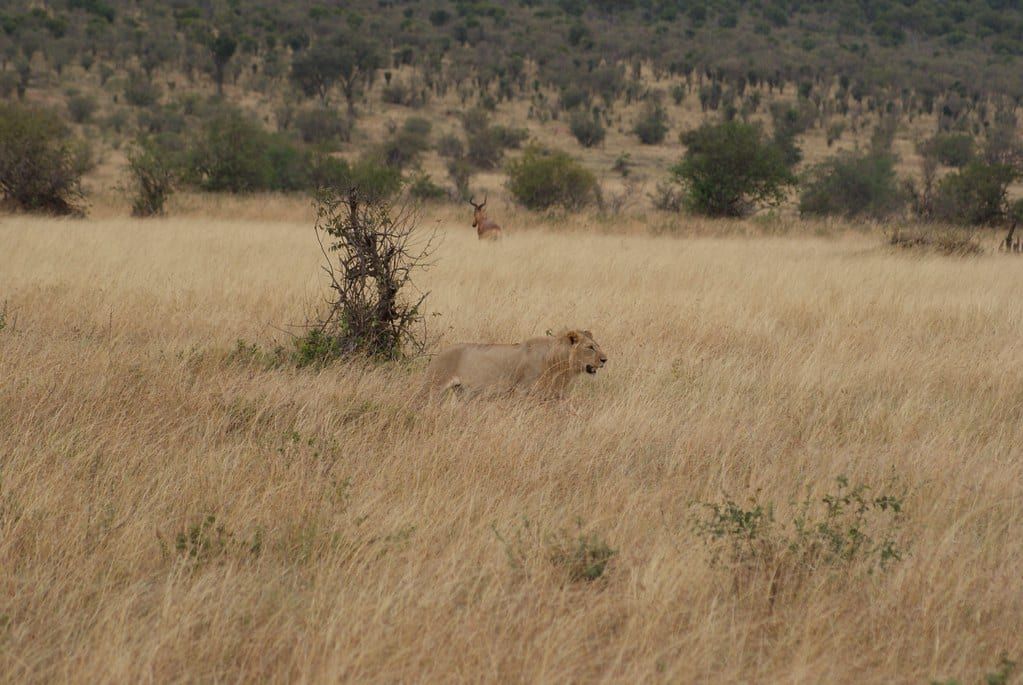
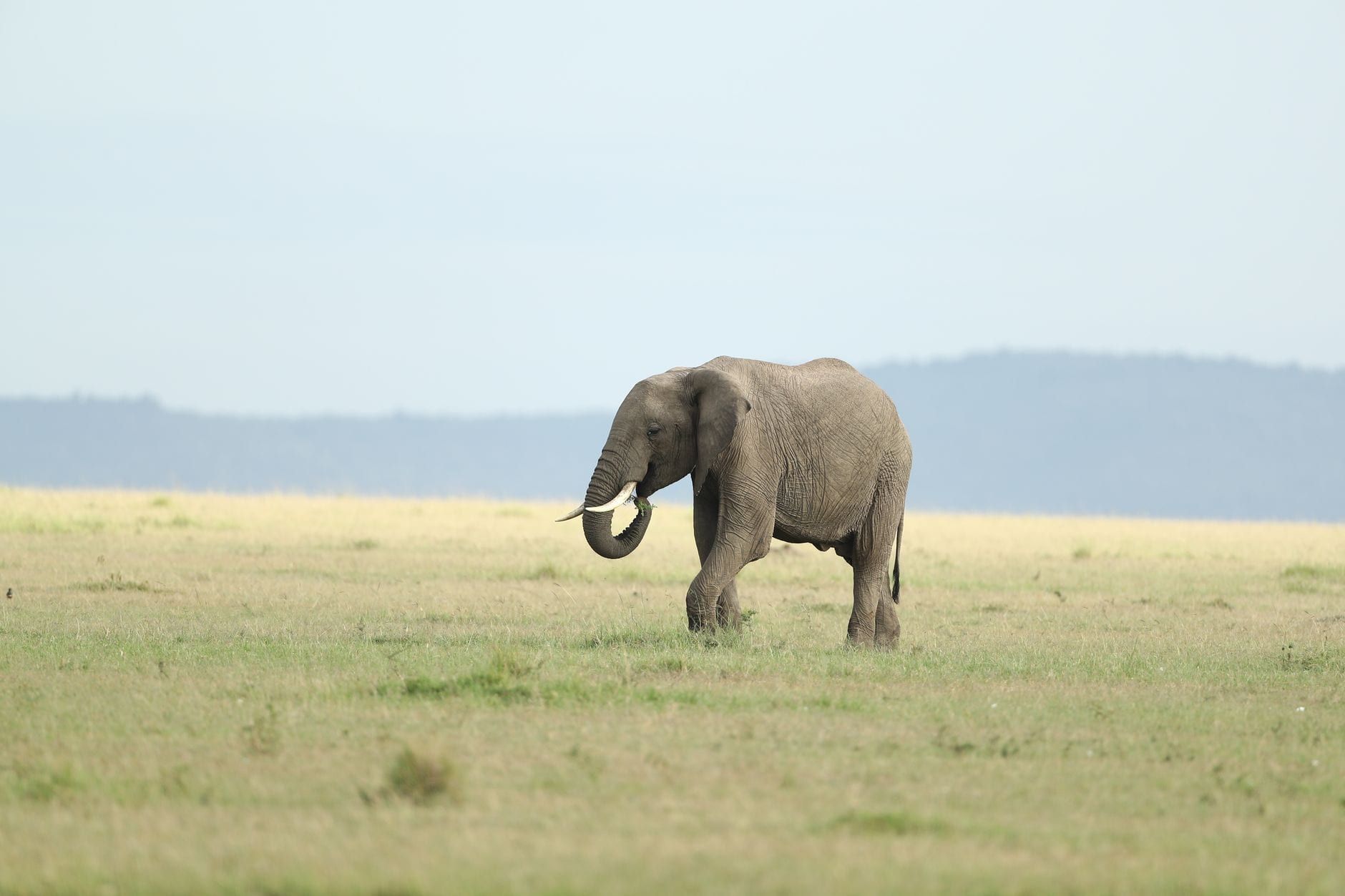
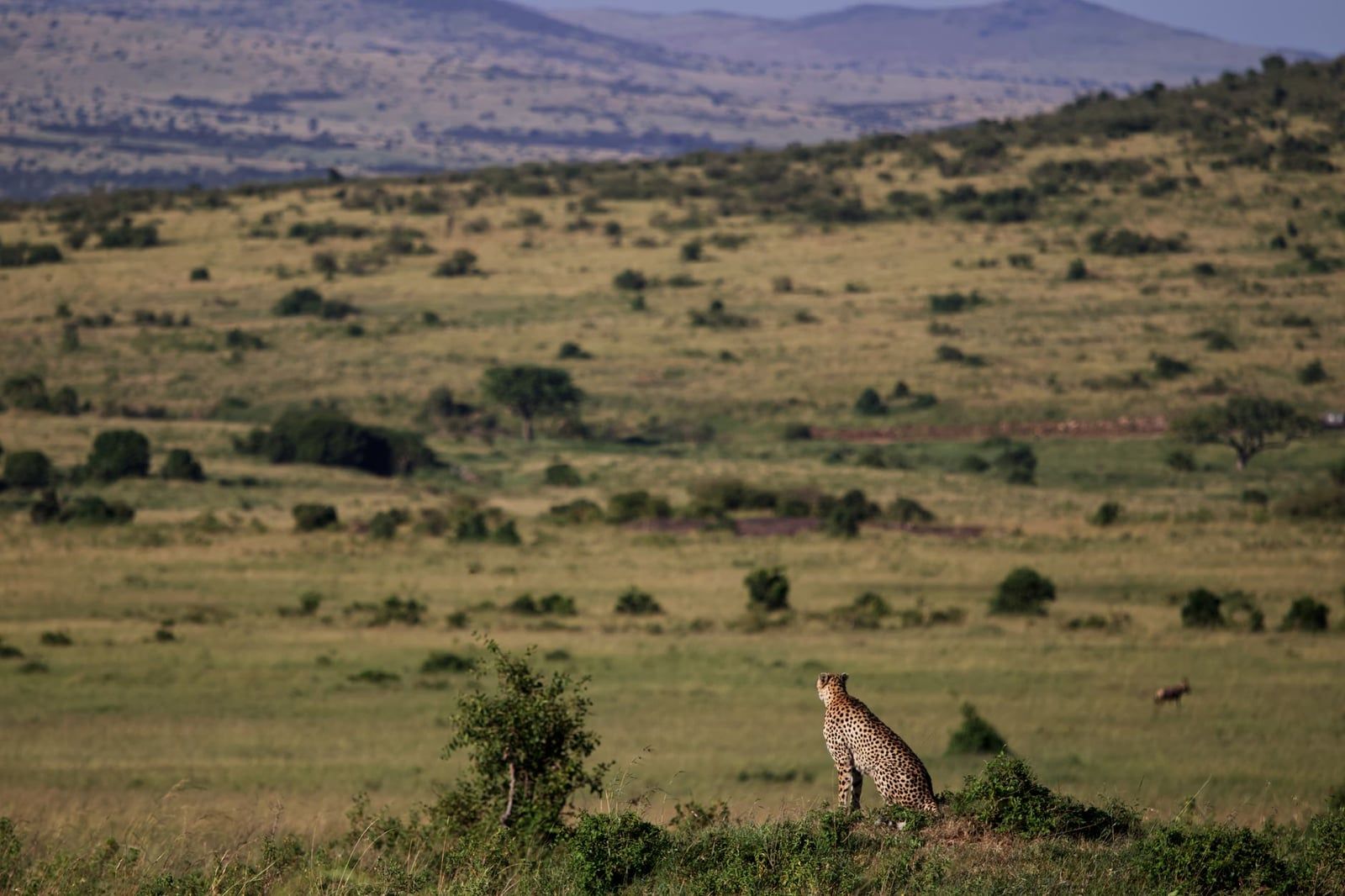
The Mara wins on ease. Because the reserve is small and open, animals have less room to wander or hide, and lion prides around the Musiara, Talek and Sekenani sectors are near-guaranteed on early drives. Cheetah density is high too, and hyenas are everywhere. The Mara also keeps large resident herds of elephant, buffalo and zebra year-round, so game viewing holds up even when the migration is in Tanzania.
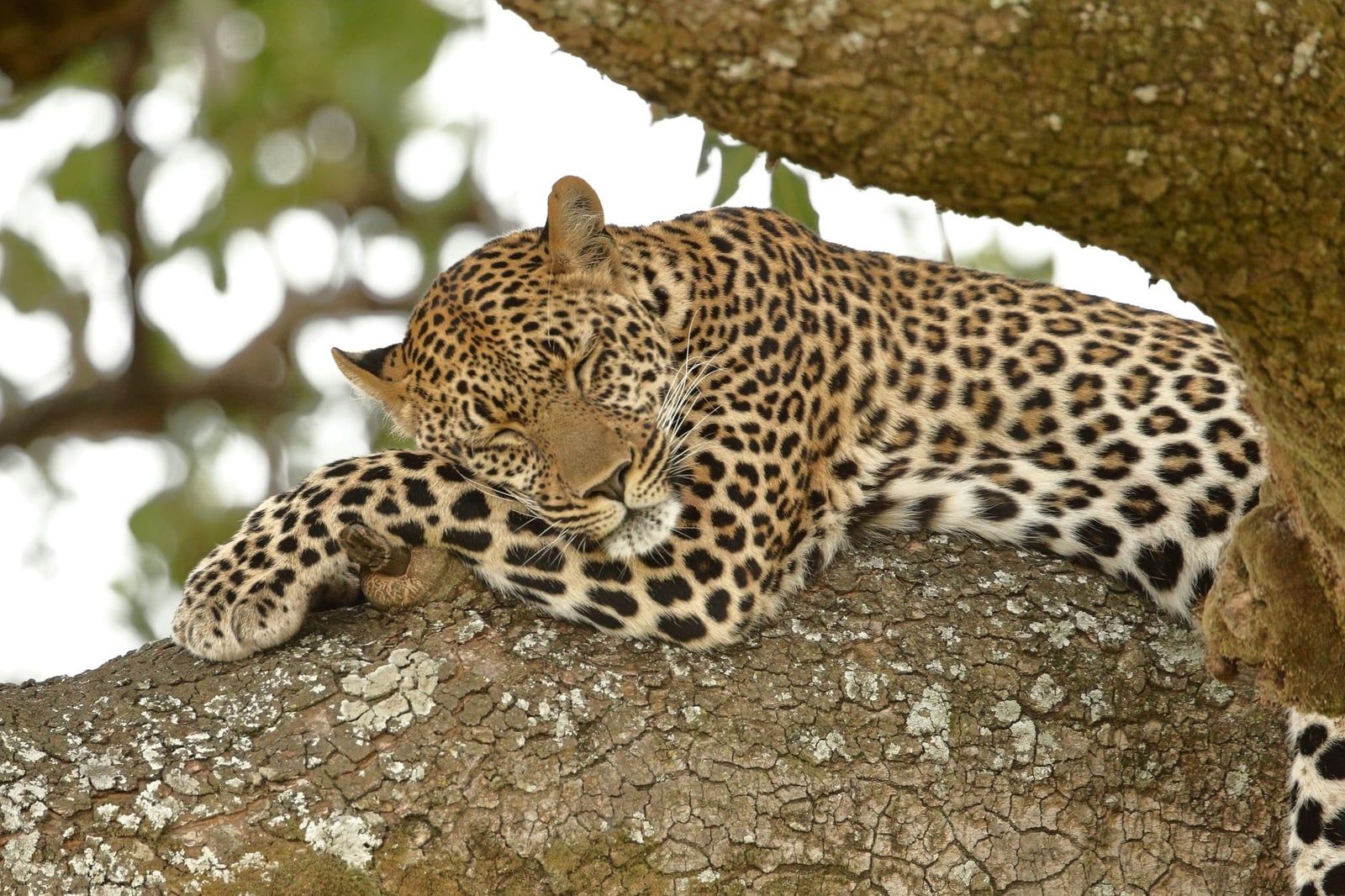
The Serengeti wins on variety and on two specific prizes. Leopards, though present in the Mara, are seen more often in the Serengeti's wooded riverlines, and endangered black rhinos have a better stronghold there. Birders should also lean Tanzania: the Serengeti records over 500 species against a smaller, more concentrated Mara list — though the Mara's riverine forest is productive, and Kenya's national bird, the lilac-breasted roller, is a common sighting. If your safari lives or dies on leopard, rhino or a long bird list, the Serengeti is the stronger pick. For everything else, the Mara's density shortens the distance between you and the animals.
The Great Migration: When to Be Where (Month by Month)
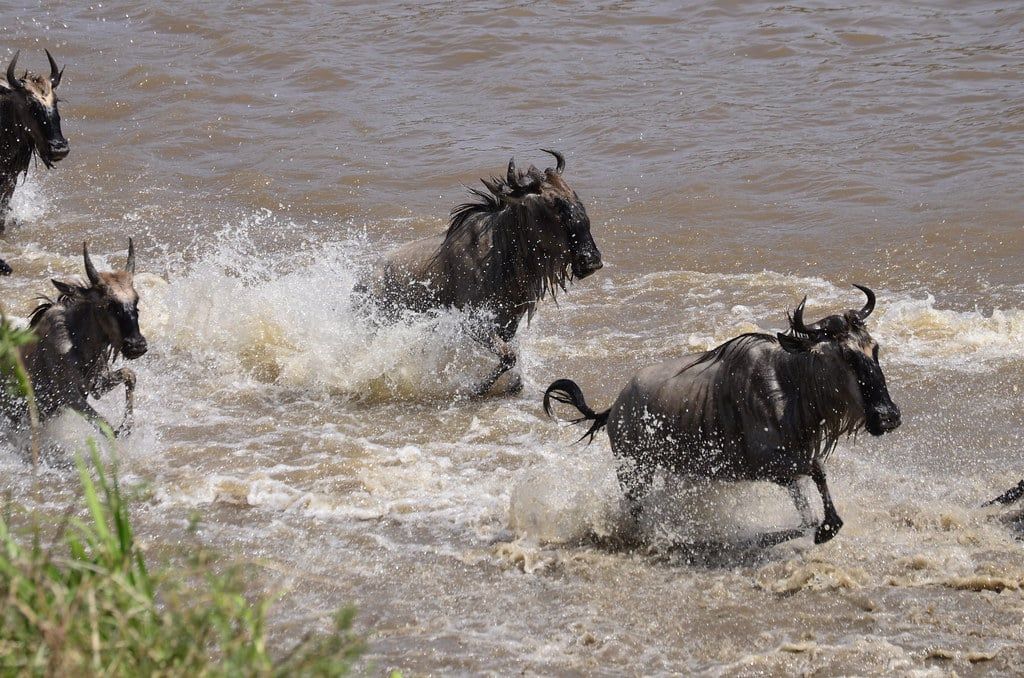
The migration is a single herd circuit, not two separate events — about 1.3-1.5 million wildebeest, 400,000 zebra and hundreds of thousands of gazelles chasing the rains around an 800 km loop. The herds spend roughly nine months of the year in Tanzania and only July-October in Kenya. Which park is "better" for the migration therefore depends entirely on your travel month. Our Great Migration guide covers the Kenya side in depth; here's the planner.
| Months | Where to be | What you'll witness |
|---|---|---|
| January-March | Southern Serengeti / Ndutu | Calving: roughly 8,000 wildebeest born per day, with lions and hyenas working the nursery |
| April-June | Western Serengeti | Herds push north through the long rains; Grumeti River crossings peak May-June |
| July-September | Northern Serengeti, then Masai Mara | Mara River crossings with crocodiles waiting; Mara crossings peak August-September |
| October | Northern Serengeti and Masai Mara | Last crossings and big grazing herds on both sides of the border |
| November-December | Southern Serengeti | Herds funnel south with the short rains, reaching the calving grounds again |
On river crossings, the Mara has the edge for reliability and drama. The herds mill around the Mara River for weeks between July or August and October, crossing and re-crossing at points like the Purungat Bridge area of the Mara Triangle, and the crossings are often deeper, steeper and more chaotic than the Grumeti's. The Serengeti's northern Mara River stretch (July-September) delivers the same spectacle with fewer vehicles; the Grumeti crossings (May-June) are wilder and less predictable. One honest caveat: nothing about the migration runs on a timetable. The animals follow rain, not calendars, and a "guaranteed" crossing week can produce nothing but distant dust.
Two seasons frame everything else. The dry season, June to October, brings the best game viewing along with the biggest crowds and prices in both parks. The green season, November to May, means lower rates, newborn animals and lush scenery, with some muddy tracks and closed camps in April-May. The Mara's resident wildlife keeps it worth visiting even in the wet months — a point worth weighing if your dates are flexible, and our best-time-to-visit breakdown goes month by month for Kenya.
Getting There — and Whether to Combine Both Parks
Logistics decide more East African itineraries than wildlife does. Here's how each park's gateway, flight and drive times translate into minimum trip length — and what it takes to see both on one ticket.
Reaching the Masai Mara
Nairobi is the Mara's great practical advantage. Jomo Kenyatta International Airport receives more frequent and more affordable international flights than Kilimanjaro, and from the city it's a 45-60 minute scheduled flight from Wilson Airport to airstrips like Keekorok, Olkiombo or Musiara (roughly US$150-250 one-way, with a strict 15 kg soft-bag limit). By road, the drive via Narok is 225-275 km and takes 5.5-6.5 hours, tarred all the way to Sekenani Gate. A Mara safari from Nairobi can genuinely work as a 3-night, 4-day trip.
Reaching the Serengeti
The Serengeti routes through Kilimanjaro or Arusha, then a 50-70 minute bush flight to one of the park's airstrips, or roughly eight hours by road — about seven from Kilimanjaro International Airport. Flights into Kilimanjaro cost more than Nairobi's, and the park's internal distances are huge, so itineraries usually add bush-flight hops between regions. That's why a realistic Serengeti trip starts at four nights, and why a 3-day Serengeti itinerary is a squeeze that its Mara equivalent isn't.
Combining both parks
Yes, you can do both — they're roughly 350 km apart by road via the Isebania-Sirari border crossing. The overland run is a full, bumpy day that sometimes needs permits and an overnight stop; light-aircraft combinations are faster but pricier, and they're how most cross-border migration trips are built. If a two-park safari appeals, our Mara and Serengeti safari tours show what the combined routes look like. Pairing matters even if you pick one: the Mara slots neatly onto Amboseli or the Kenyan coast and Zanzibar, while the Serengeti belongs to Tanzania's northern circuit alongside Ngorongoro Crater and Tarangire.
What a Safari Costs in Each Park
Start with the entry fees, because they're concrete. Non-resident adults pay US$100 per day in the Masai Mara from January to June and US$200 per day from July to December (children 9-17 pay US$50 year-round, under-8s enter free). A 24-hour stay inside the Serengeti costs about US$140 per adult once you add the park fee, concession fee and taxes — the difference is largely government taxation, not experience quality. The Mara's bordering conservancies charge US$80-120 per adult per day. Current rates are on our hours and fees page, since both governments revise them periodically.
Run the trip-length math and the picture widens. A 3-night Mara stay means roughly US$400 in reserve fees in green season, US$800 at peak. A 5-night Serengeti trip racks up about US$840 per adult in fees alone — plus the longer flights and the extra nights. Camps matter more than fees, though. The Mara has more of them, so competition pulls prices down: public campsites and budget tented camps sit at one end, luxury lodges at the other, and group game drives keep per-day costs low. Most Serengeti safaris run private, its camps are fewer and costlier, and mobile camps that follow the herds carry a premium in migration season.
Seasonality moves everything. June through October brings peak rates in both parks; November to May brings the green-season discounts. One of the Mara's best value windows is December-February — dry, quiet, resident wildlife in top form, and entry at the US$100 rate instead of US$200. A 3-day Mara tour in that window is one of the cheapest genuine Big Five safaris in East Africa.
Crowds, Park Rules, and the Conservancy Advantage
The Mara's honest weakness is peak-season traffic. In a compact reserve that hosts its highest visitor numbers from July to October, vehicles can cluster — a famous river crossing can draw dozens, and rangers cap viewing at 10 minutes once more than five vehicles queue, holding waiting cars 100 m back. Off-road driving inside the reserve is banned (on-the-spot fine KES 10,000), and neither night drives nor walking safaris are allowed inside the main reserve or inside Serengeti National Park. The Serengeti's sheer size absorbs its visitors; the northern Serengeti in particular sees a fraction of the central plains' traffic.
The Mara's answer is the conservancy model, and it's the single best argument for Kenya if crowds worry you. Mara North, Olare Motorogi, Naboisho and Ol Kinyei are community-owned private areas bordering the reserve. They cap vehicle numbers at sightings, and they permit what the reserve forbids: off-road driving to reach a hunt, night drives, guided walking safaris and fly camping under the stars. Entry costs US$80-120 per day, and leopard and cheetah densities are excellent. The Mara Triangle — the northwest sector under the Oloololo Escarpment — is another quiet option inside the reserve itself, with far fewer vehicles than the Narok-run side. Book 2-3 reserve nights for the river crossings, then 1-2 conservancy nights for space and darkness.
Beyond Game Drives: Ballooning, Culture, and Birding
Game drives fill most days in both parks, but the add-ons differ enough to sway a decision — especially if you're traveling with kids, a camera or a pair of binoculars.
Balloon safaris
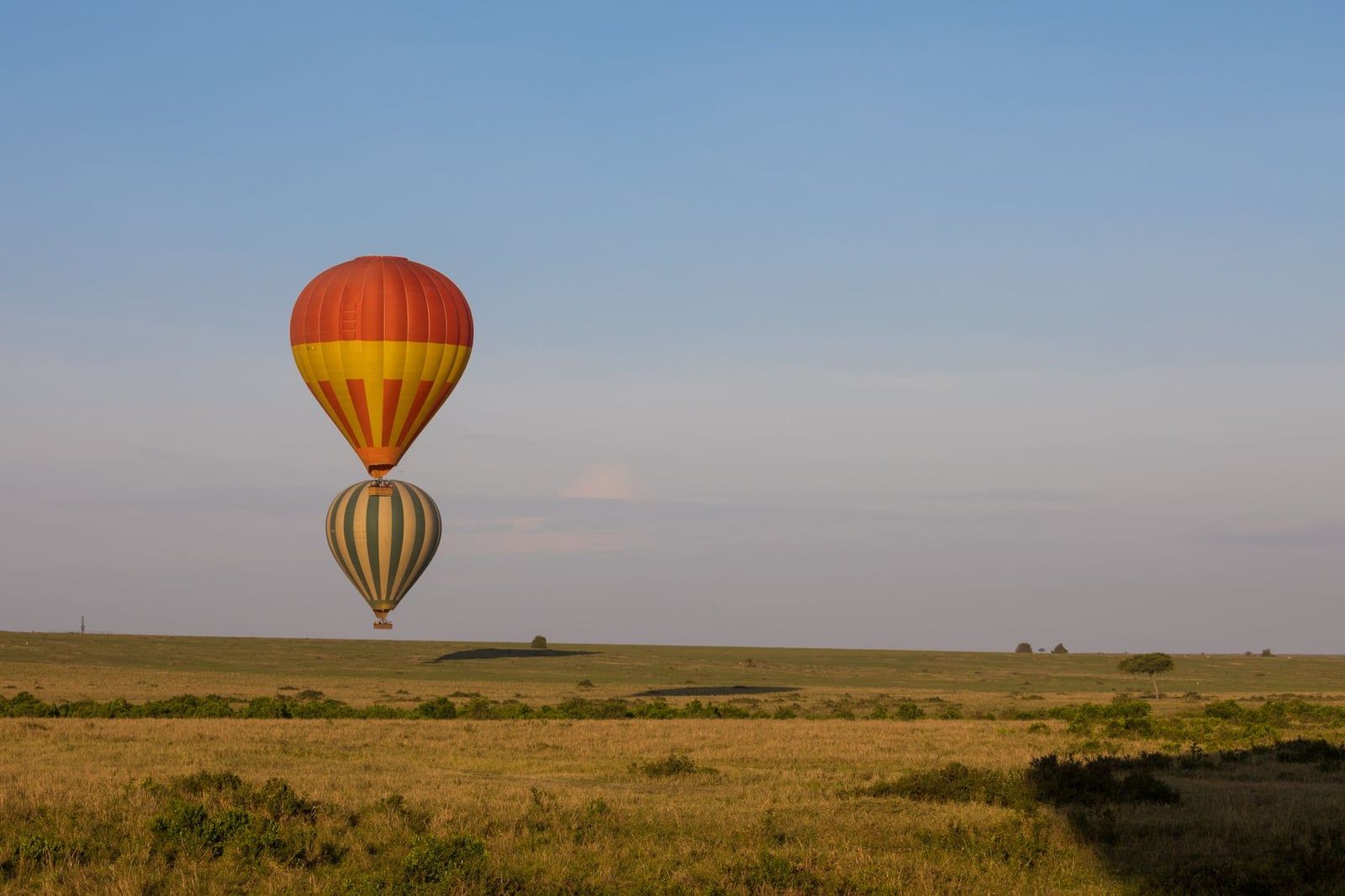
Both parks fly balloons, lifting off before sunrise for a 1-1.5 hour drift and a champagne bush breakfast on landing. The choice is aesthetic. Over the Serengeti you float across plains that genuinely run to the horizon; over the Mara the density works for you — in July-October you may pass directly over migration columns. Mara flights cost roughly US$450-600 per person, and operators retry the next morning when wind cancels a launch, so book early in your stay.
Culture
Kenya holds the cultural card. The Mara is Maasai country — the reserve takes its name from the people, and a guided village visit near the gates (typically US$30-50 including the community contribution) introduces homesteads, jumping dances and beadwork. Ask before photographing anyone. Around the Serengeti, village visits and Hadzabe hunter-gatherer encounters exist, plus horseback riding in certain areas, but the cultural layer is thinner than on the Kenyan side.
Birding
Birders get more in Tanzania — over 500 recorded Serengeti species against a shorter Mara list. But the Mara's birding is concentrated and easy: rollers (Kenya's national bird among them), raptors over the plains, and kingfishers and bee-eaters thick along the Mara and Talek riverine forest. A casual birder won't feel shortchanged in Kenya; a lister will.
The Verdict: Choose the Mara or the Serengeti?
Both parks deliver an outstanding safari, so the decision comes down to your dates, budget and appetite for scale. Here's the honest split.
- Choose the Masai Mara if: it's your first safari
- you have 3-4 nights and a tighter budget
- big-cat density and photography are the priority
- you're targeting Mara River crossings (July-October)
- you want night drives and walking via the conservancies
- Choose the Serengeti if: you have 5+ nights
- you're traveling January-March for calving
- wilderness scale and solitude matter most
- leopard, rhino or a 500-species bird list drives you
- you're building Tanzania's northern circuit with Ngorongoro
By traveler type: honeymooners and photographers with a week do best in the Serengeti's private camps; families with kids win in the Mara, where short drives still find everything and under-8s enter free; time-poor professionals should fly straight into Nairobi — you can be on a game drive the same afternoon. Repeat visitors to East Africa almost always pick the Serengeti for the variety.
And the third option — combining both on one migration trip — is the best safari either country offers if you can afford the time. The classic route pairs Mara River crossings with the northern Serengeti and Ngorongoro Crater. Browse the full range on our Masai Mara tours page to compare.
Bottom line: for most first-time visitors, the Mara delivers the iconic East African safari — Big Five, big cats, river crossings, balloons, Maasai culture — in less time and for less money. The Serengeti is the bigger, wilder, pricier sequel you save for your second trip.
Frequently asked questions
Which is better, Masai Mara or Serengeti?
It depends on your trip. The Mara suits first-timers, 3-4 night stays, tighter budgets and big-cat density; the Serengeti suits travelers with a week or more who want wilderness scale, the February calving season and better leopard and rhino odds. Both share one ecosystem and the same species roster.
Is the Masai Mara part of the Serengeti?
No — they're separate protected areas in different countries. But the border between them is unfenced, and together with surrounding conservancies they form one continuous ecosystem of roughly 30,000 km², which is why the migration herds move freely between Kenya and Tanzania.
Where should I go for Great Migration river crossings?
Grumeti River crossings happen in the western Serengeti around May-June. Mara River crossings run July-September in the northern Serengeti and August-October in the Masai Mara, where they peak in August-September. Calving — roughly 8,000 wildebeest calves per day — happens only in the southern Serengeti/Ndutu between January and March.
Is a safari cheaper in the Masai Mara or the Serengeti?
Generally the Mara. Nairobi is a cheaper gateway than Kilimanjaro, camps cost less, group game drives are available, and a 3-day trip works. Note that Mara entry fees are seasonal — US$100/day January-June, US$200/day July-December — against roughly US$140 per 24 hours in the Serengeti including concession fees, so check current official KWS and TANAPA rates before booking.
How many days do you need in each park?
Plan 3-4 nights in the Masai Mara — it's compact and wildlife-dense, so four game drives cover the main sectors. The Serengeti realistically needs 4-6+ nights because the regions are far apart and you'll usually add bush flights.
Can you visit both the Masai Mara and the Serengeti in one trip?
Yes. The parks sit roughly 350 km apart by road via the Isebania-Sirari border crossing — a full day's drive that may require an overnight stop. Fly-in combinations are faster and the more popular way to follow the migration across both parks.
Which park has more wildlife?
The Serengeti holds more animals in absolute terms across ~14,750 km², and records over 500 bird species. But the Mara's 1,510 km² concentrates the same ecosystem's wildlife, so sightings come faster and more often — the ecosystem holds 3,000+ lions, around 1,000 leopards and 8,000+ hyenas in total.
When is the best time to visit the Masai Mara vs the Serengeti?
June-October is prime dry season in both, with peak crowds and prices. Otherwise let your target decide: calving January-March and Grumeti crossings May-June mean the Serengeti; Mara River crossings July-October mean either the northern Serengeti or the Mara, which also offers strong resident game viewing year-round — including a quiet, cheaper December-February window.