About All Tours Serengeti Safari ToursFrom Nairobi ToursSafari ToursMigration Safari ToursJeep Tours3 Day ToursLuxury ToursHot Air Balloon Tours Directions Hours & Fees Guides
Find Tours 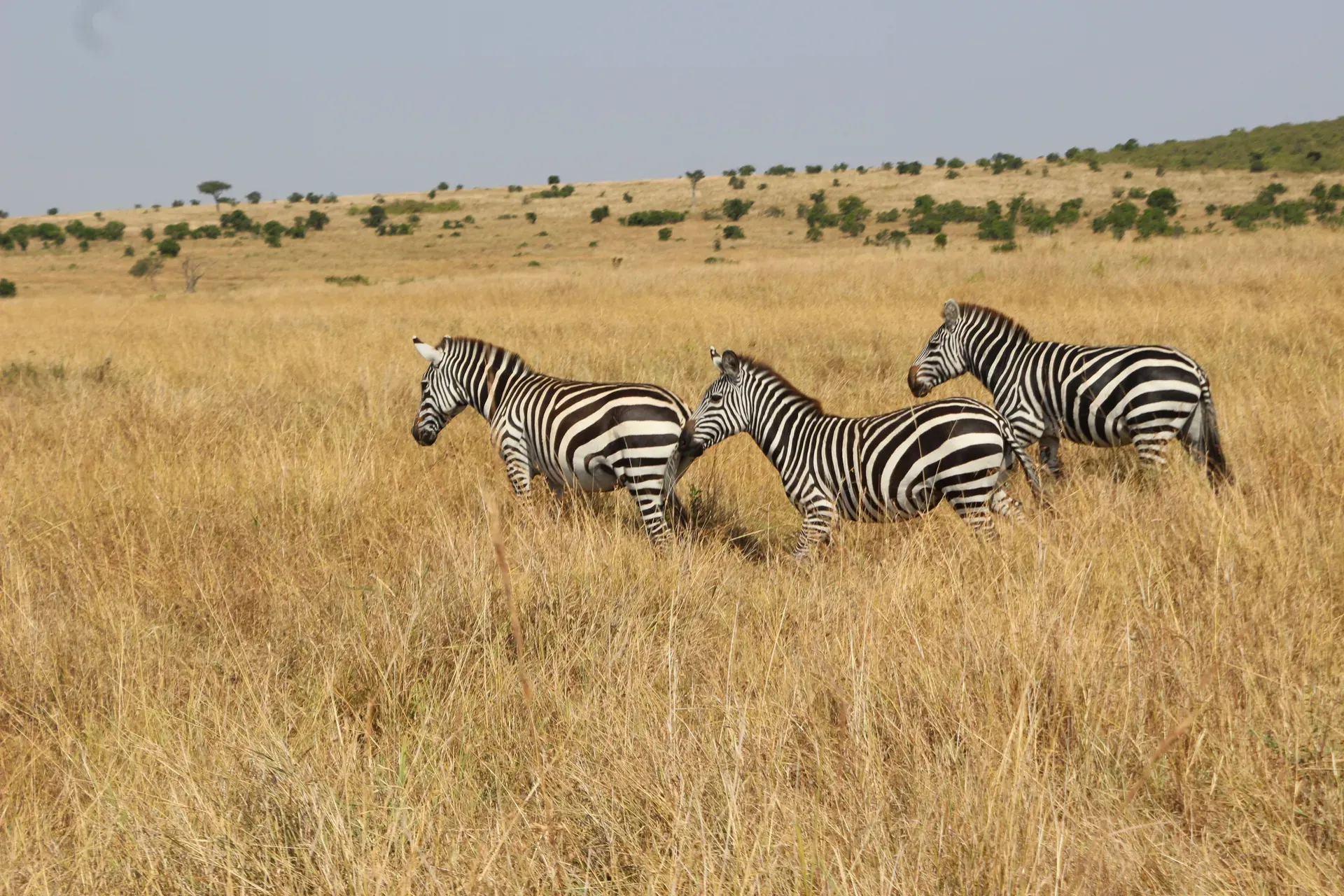
Every July, roughly 1.3 million wildebeest and 400,000 zebra pour across the Mara River into Kenya's Masai Mara, running the gauntlet of crocodiles on an 800 km annual circuit shared with the Serengeti. Come for the crossings; stay for the near-guaranteed lion, leopard and cheetah sightings on 1,510 km² of acacia-dotted savannah that gave the reserve its name.
Find Guided ToursThe Masai Mara is a 1,510 km² national game reserve in Narok County, southwestern Kenya, its open savannah running straight into Tanzania's Serengeti to form the northern half of a single ecosystem. The name comes from the Maasai people who herd cattle here — "Mara" means "spotted" in their Maa language, a reference to the acacia trees scattered across the plains. Elephants, lions, leopards and cheetahs are all present among close to 90 mammal species, including the Big Five.
What draws most visitors is the Great Migration. Roughly 1.3–1.5 million wildebeest, 400,000 zebra and hundreds of thousands of gazelles — plus some 12,000 eland — circle the Serengeti-Mara ecosystem on an 800 km annual trek, crossing the Mara River around July to October. The crossings, with crocodiles waiting in the current, earned the reserve a place among the Seven Natural Wonders of Africa. August and September are peak months.
It began small: in 1961 the Mara was a 520 km² wildlife sanctuary centered on the Mara Triangle. Later that year it grew to 1,821 km² and was gazetted as a game reserve under the Narok County Council. In 1974 part of it became a National Reserve and 159 km² was handed back to Maasai communities; another 162 km² was excised in 1976, and by 1984 the reserve had settled at its current 1,510 km².
Today management is split between Narok County (the main reserve) and Mara Conservancy Ltd (the Mara Triangle), and the reserve sits at 1,500–2,170 m above sea level, bounded west by the Siria Escarpment and drained by the Mara and Talek rivers. More than a dozen community and private conservancies now border it — Ol Kinyei, Naboisho and Mara North among them — allowing night drives and walking safaris that the main reserve forbids.
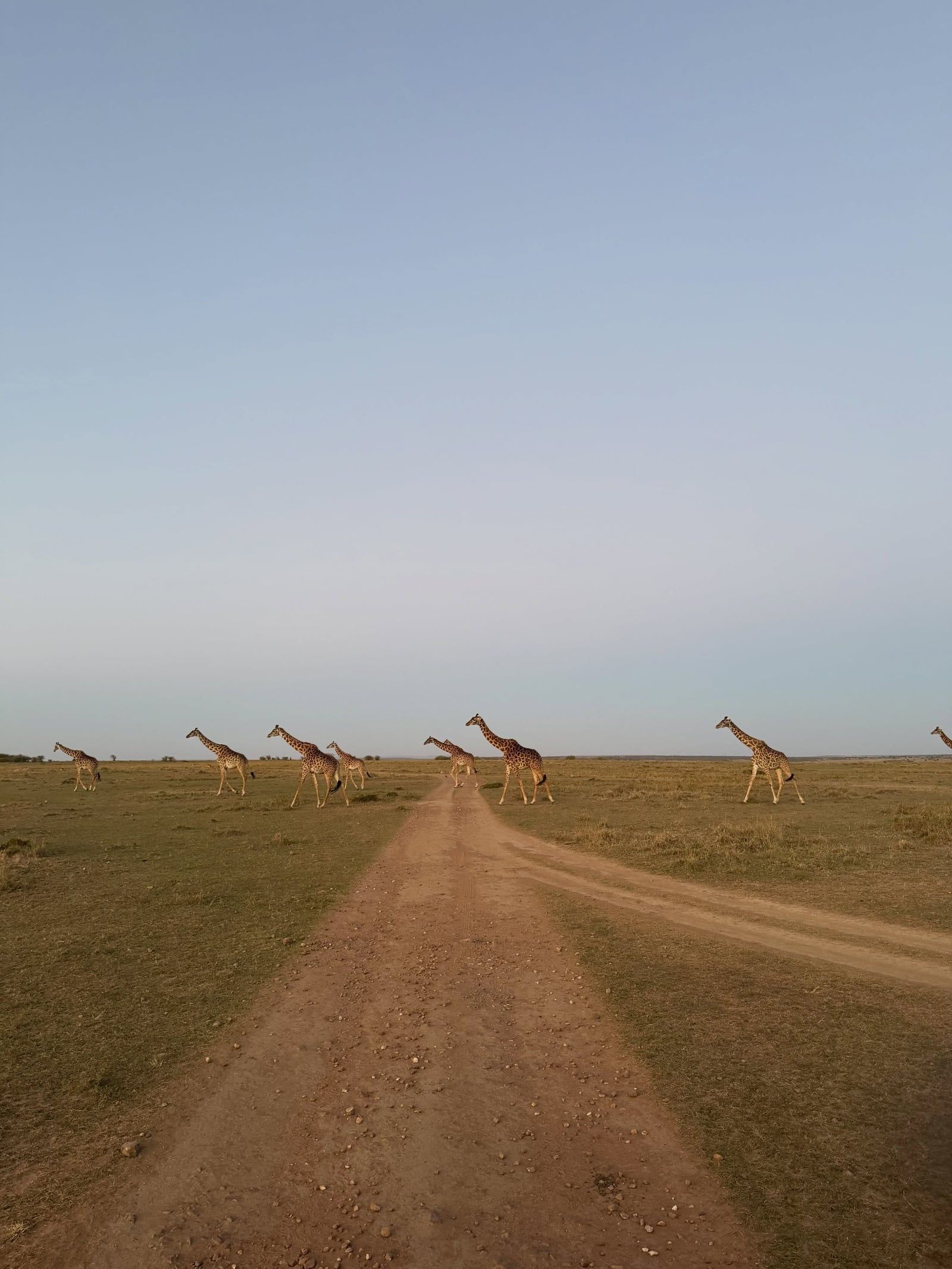
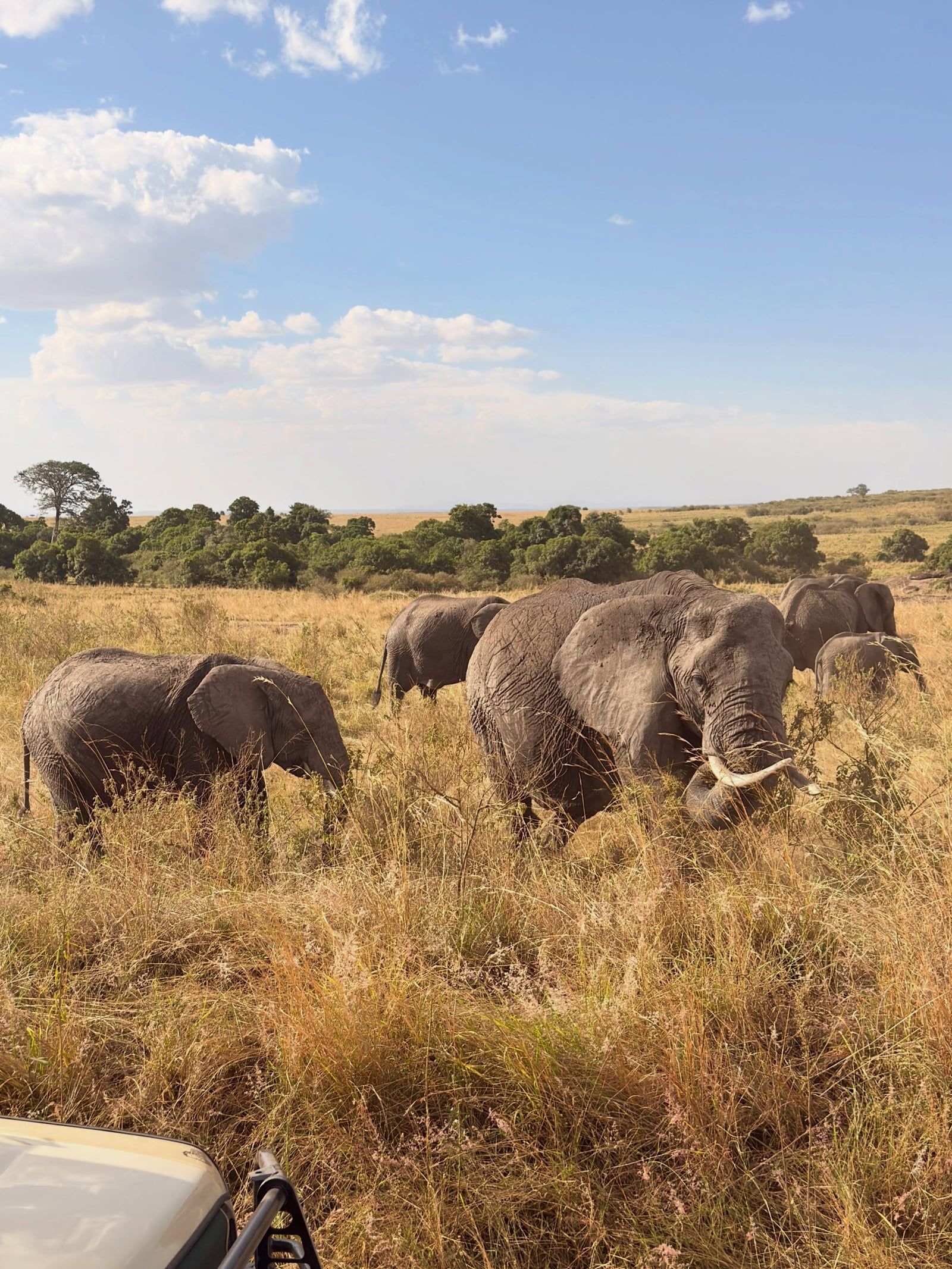
Discover the full history and cultural significance on our About page.
Between mid-July and September, over a million wildebeest and 400,000 zebra brave crocodile-filled currents near the Purungat Bridge. Arrive at first light — when more than five vehicles gather, viewing is capped at 10 minutes, so the early jeeps get the best angles.
Lift off before sunrise for a 1-1.5 hour drift above the plains, herds moving below in columns you can't see from a vehicle. It costs roughly US$450-600 per person and ends with a champagne bush breakfast on the savannah. Book a day or two ahead.
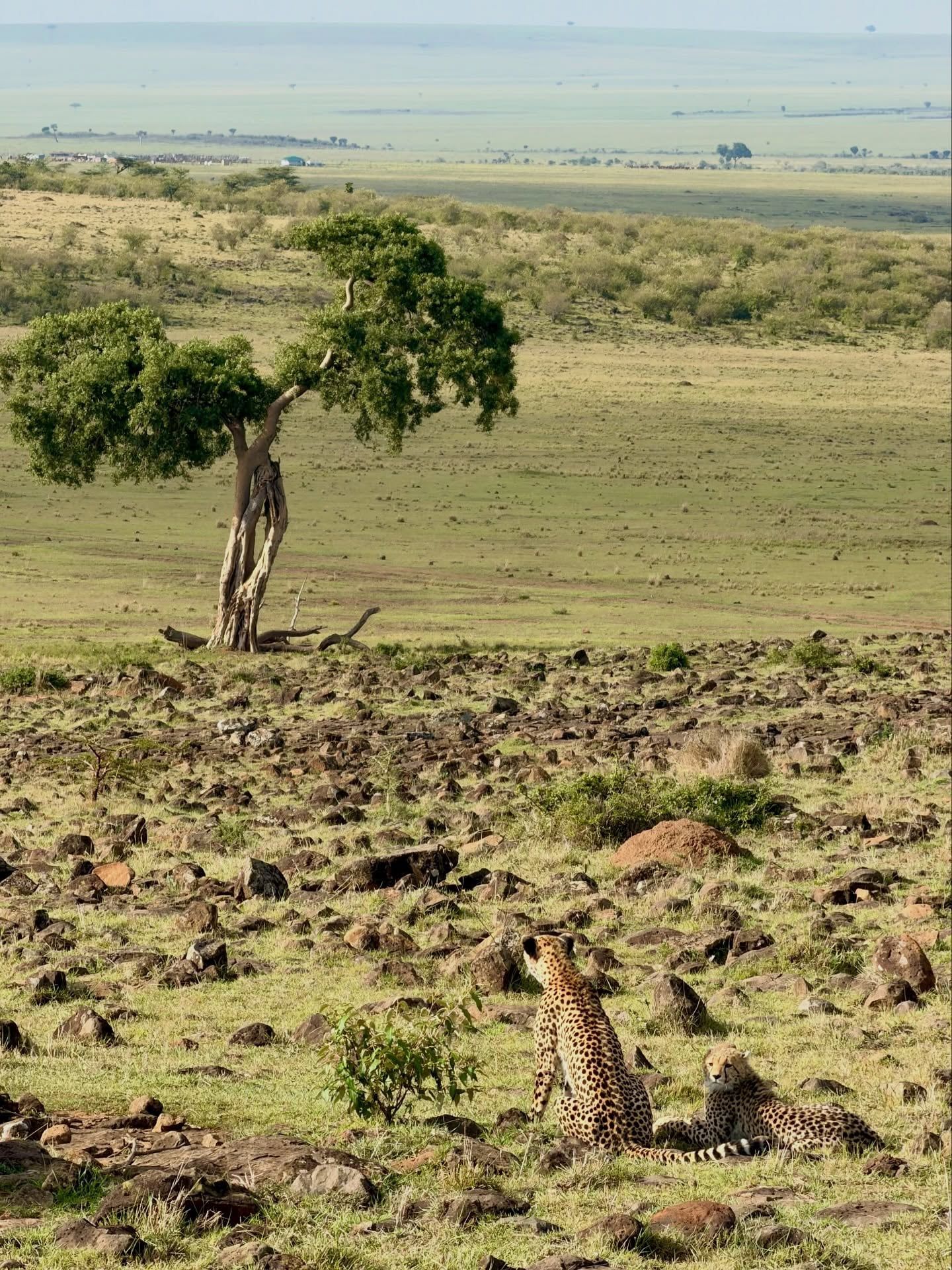
Gates open at 6 AM and predators hunt in the cool hours, so early drives through the Musiara, Talek and Sekenani sectors deliver near-guaranteed lion, leopard and cheetah sightings. With close to 90 mammal species in the reserve, the sightings keep coming well past breakfast.
Private conservancies like Mara North, Naboisho and Ol Kinyei (US$80-120 entry) allow what the main reserve forbids: night drives, guided walking safaris and off-road tracking. Vehicle traffic is a fraction of the reserve's, and leopard and cheetah densities are excellent.
Book your Masai Mara tour with Nairobi hotel pickup, 4x4 game drives, and free cancellation up to 24 hours, from $195.
Swipe to see more
 Free Cancellation 72h
 96h
 Free Cancellation 72h
 Free Cancellation 72h
 Free Cancellation 72h
 Free Cancellation 72h
 Free Cancellation 96h
 120h
 Free Cancellation 1h
 72h
 Free Cancellation 5h
 Free Cancellation 5h
July to October is the prime window: the migration herds arrive in mid-July, Mara River crossings peak in August-September, and dry weather concentrates wildlife at permanent water. You'll pay US$200/day entry and share sightings with peak crowds, so book camps 6-12 months ahead.
The long rains. April and May bring heavy downpours that turn murram roads muddy, make 4x4s essential, and kill the light for photography; some camps close. The payoff is the cheapest rates and lush green plains.
Dry season begins and the migration arrives, typically mid-July, with roughly 1.3-1.5 million wildebeest and 400,000 zebra entering the Mara. River crossings start building toward their August-September peak. Entry doubles to US$200/day.
Crossings peak in August-September and dry weather keeps wildlife concentrated at permanent water through October. November's short rains bring milder disruption. Expect the year's highest visitor numbers and US$200/day fees.
A quieter dry-season alternative. Resident wildlife viewing stays excellent, fees drop to US$100/day from January, and camps are easier to book. March can turn wet as the long rains build, so go earlier.
Every gate — Sekenani, Talek, Oloolaimutia, Musiara and Oloololo — opens at 6:00 AM and closes at 6:00 PM daily, year-round, with no seasonal variation. (Sand River Gate is currently closed.) Each ticket covers one daylight entry, valid 12 hours from 6 AM to 6 PM; since 1 July 2023, guests staying outside the reserve pay the daily fee for each entry. One deadline catches people out: if you're leaving by road you must be out of the reserve by 10:00 AM — or at your airstrip by 10:00 AM if flying — or you'll be charged another full day's fee. Aim for the 6 AM opening regardless; predators are most active in the cool hours right after the gates open.
| Category | Price |
|---|---|
| Non-resident adult (1 Jan–30 Jun) | US$100 per day |
| Non-resident adult (1 Jul–31 Dec) | US$200 per day |
| Non-resident child, ages 9–17 (year-round) | US$50 per day |
| Child under 8 | Free |
| East African resident adult (1 Jan–30 Jun) | KES 2,500 per day |
| East African resident adult (1 Jul–31 Dec) | KES 5,000 per day |
| Kenyan citizen adult (1 Jan–30 Jun) | KES 1,500 per day |
| Kenyan citizen adult (1 Jul–31 Dec) | KES 3,000 per day |
| Kenyan citizen child (Jan–Jun / Jul–Dec) | KES 300 / KES 500 per day |
| Vehicle fee (by seat count) | KES 400 (under 6 seats) up to KES 5,000 (45+ seats) |
| Camping, non-resident adult (public / private campsite) | US$30 / US$40 per night |
| Hot-air balloon landing fee | US$50 per person (usually included in the flight price) |
| Surrounding conservancies (Mara North, Naboisho, Olare Motorogi, Ol Kinyei), per adult | US$80–120 per day |
The two-tier US$100/US$200 calendar is confirmed through 2025 and 2026, so a July–September migration trip costs double the low-season rate — one reason December–February, with the same resident wildlife at half the fee, suits tighter budgets. Payment differs by gate: Mara Triangle gates (Oloololo and Purungat Bridge) are cashless only, taking Visa/Mastercard or M-Pesa, while other gates accept cash in US dollars or Kenya shillings. You can skip the gate queue by pre-paying through the KAPS ticketing company (KATO offices, Longonot Road, Upper Hill, Nairobi), and campsite bookings go through marabookings.co.ke. A few extras: campers at private campsites must hire two rangers for night security (KES 4,000), student rates need pre-approval from the Narok ticketing office at least two weeks ahead, and you must carry your passport or ID — proof of residence is checked for citizen and resident rates. No permit is required for standard game drives.
For complete schedules and ticket prices, visit our Hours & Fees page.
Almost everyone starts in Nairobi, 225–275 km away: either a 45–60 minute scheduled flight from Wilson Airport to one of the Mara airstrips, or a 5.5–6.5 hour drive via Narok town on a road tarred all the way to Sekenani Gate. Budget travelers can bus to Narok and finish by matatu for about US$15–25.
📍 Masai Mara National Reserve has no street address — it's a 1,510 km² game reserve in Narok County, southwestern Kenya (coordinates 1°29′24″S 35°08′24″E), with its nearest town and administrative seat at Narok, reached via the Sekenani, Talek, Oloolaimutia, Musiara or Oloololo gates.
Airkenya, Safarilink, Mombasa Air Safari and Fly ALS fly scheduled services, typically departing around 07:00, 10:30 and 14:00, with multiple hops along the way. You land at one of eight airstrips — Keekorok, Mara Serena, Musiara, Olkiombo, Olare, Kichwa Tembo, Ngerende or Siana — minutes from camp. Check in at the counter 60 minutes before departure. The baggage limit is strict: 15 kg per person in soft-sided bags only; hard cases can be refused.
The most popular route runs from Nairobi via Narok town on tarmac all the way to Sekenani Gate. Expect 5.5 hours to the eastern gates (Sekenani, Talek, Oloolaimutia) and 6–6.5 hours for Musiara and Oloololo. Packages usually bundle transport, game drives, accommodation and meals — an example 5-day Mara-Nakuru-Hell's Gate 4x4 safari starts from US$645–747 per person, with park fees extra or included depending on the operator. Sit back; the driver-guide handles everything.
The cheapest way, at roughly US$15–25 one-way. Catch an early van or bus from Nairobi CBD to Narok — Easy Coach and Narok Line run first departures around 7:00 AM, a 3–4 hour ride. At Narok, switch to the matatu toward Sekenani Gate (the 'Talek Express', KES 400–600), a 2–3 hour crawl on murram road. Matatus run only until about 1:00 PM, so don't leave Nairobi late. Build in a night near the gate.
The route to Sekenani, Talek and Oloolaimutia gates is tarred throughout, but a 4x4 is still recommended — and essential in the rainy seasons (April–May and November), when murram sections turn to mud. Leave Nairobi by 7 AM and reach the gate before 3:00 PM so you arrive at camp in daylight; gates close at 6 PM. Entry costs US$100–200 per adult depending on season, plus a vehicle fee from KES 400. The Mara Triangle gates take card or M-Pesa only; other gates accept cash.
For detailed transport options and routes, visit our Directions page.
Entry tickets are valid for just 12 daylight hours (6 AM to 6 PM). If you're leaving by road, you must be out of the reserve by 10 AM, or at your airstrip by 10 AM if flying, otherwise you'll pay another full day's fee — US$200 in peak season. Set your alarm accordingly.
The Mara Triangle gates at Purungat Bridge and Oloololo take cards only — Visa, Mastercard or M-Pesa, no cash. Other gates accept US dollars or shillings, but lines can crawl during migration season. Pre-pay through the KAPS ticketing office on Longonot Road in Nairobi's Upper Hill and skip the gate queue entirely.
Hot-air balloon flights cost roughly US$450-600 per person and cancel in wind or heavy rain, with operators usually retrying the next morning. So schedule yours for day one or two of your stay, not your last. Book 1-2 days ahead; you'll lift off before sunrise for a 1-1.5 hour drift over the herds, ending with a champagne bush breakfast.
Bush flights from Nairobi's Wilson Airport enforce a strict 15 kg per-person limit, carry-on included, and hard suitcases can be refused outright. Soft-sided duffels only. Check in at the counter 60 minutes before departure, and expect multiple 'hops' at airstrips along the way — Keekorok, Olkiombo, Kichwa Tembo among them.
Non-resident entry doubles from US$100 to US$200 per day on 1 July, and the best camps fill 6-12 months out for August-September river crossings. December-February delivers similar resident wildlife on the green season's heels, with lower fees and a fraction of the vehicles. Skip April and May entirely — heavy rains close camps and bog the roads.
Wheelchair users should book through an accessible-safari operator months ahead: specialized 4x4s with ramps and secured elevated seating exist but aren't standard. Karen Blixen Camp in Mara North Conservancy has ramps and grab-bar bathrooms. Families with kids, likewise, should request child car seats in advance — they're rarely provided otherwise, and under-8s enter free.
A compact park around an alkaline lake that sometimes holds over a million flamingos. Both black and white rhinos, Rothschild's giraffes and 400-plus bird species make it a natural pairing with the Mara on a 4-6 day Kenya circuit.
Boat safaris on Naivasha drift among hippos and waterbirds; next door, Hell's Gate lets you walk or cycle a dramatic gorge past geothermal steam vents — one of few African parks open to foot traffic. An easy half-day stop on the Nairobi-Mara drive.
The Mara's southern neighbor and the other half of the migration ecosystem — the herds the Mara hosts July-October spend the rest of the year here. A cross-border circuit can add Ngorongoro Crater, though the border drive is a long full-day transfer.
Read what travelers share about their experience visiting Masai Mara — from practical tips to personal highlights.
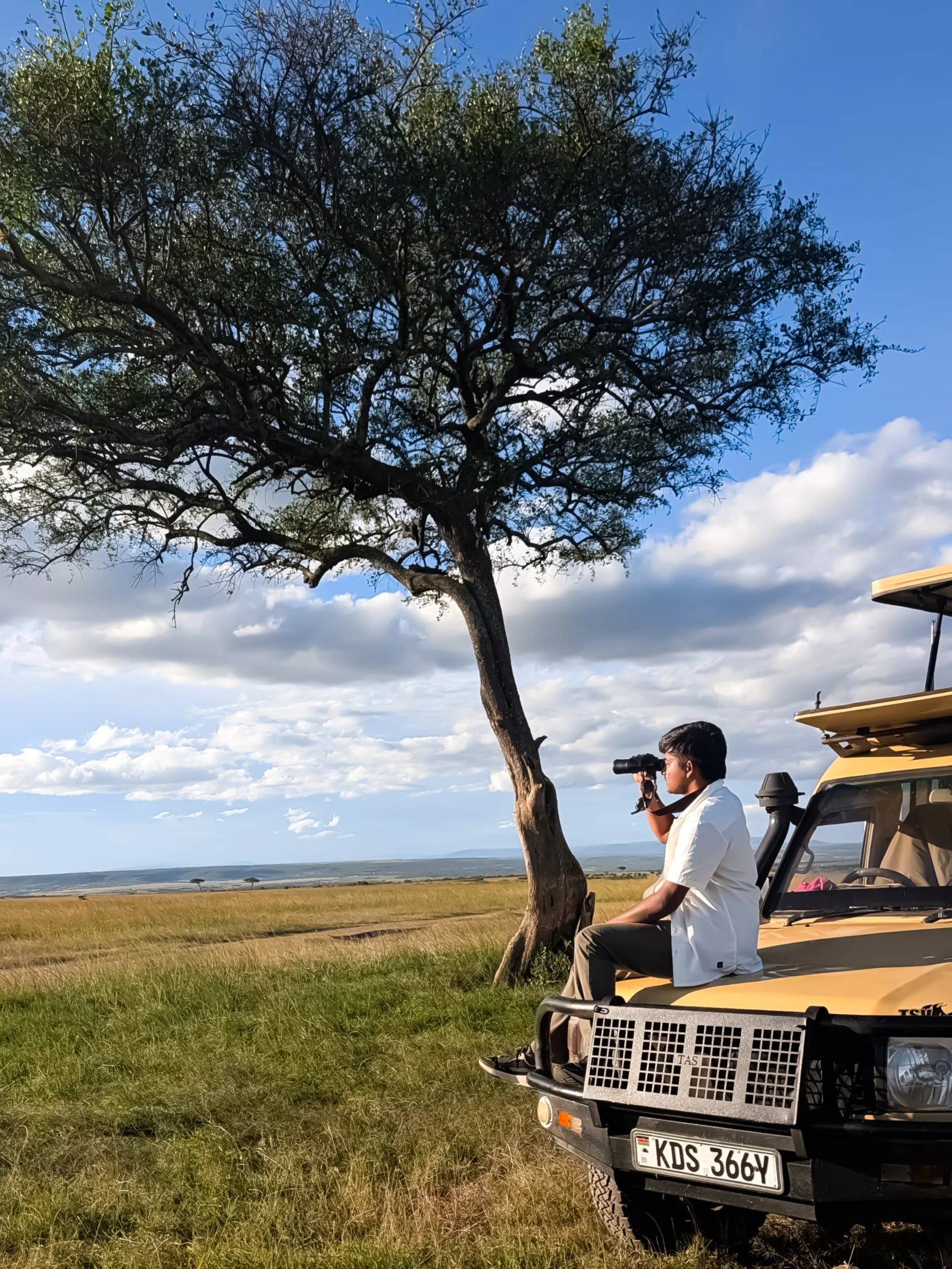
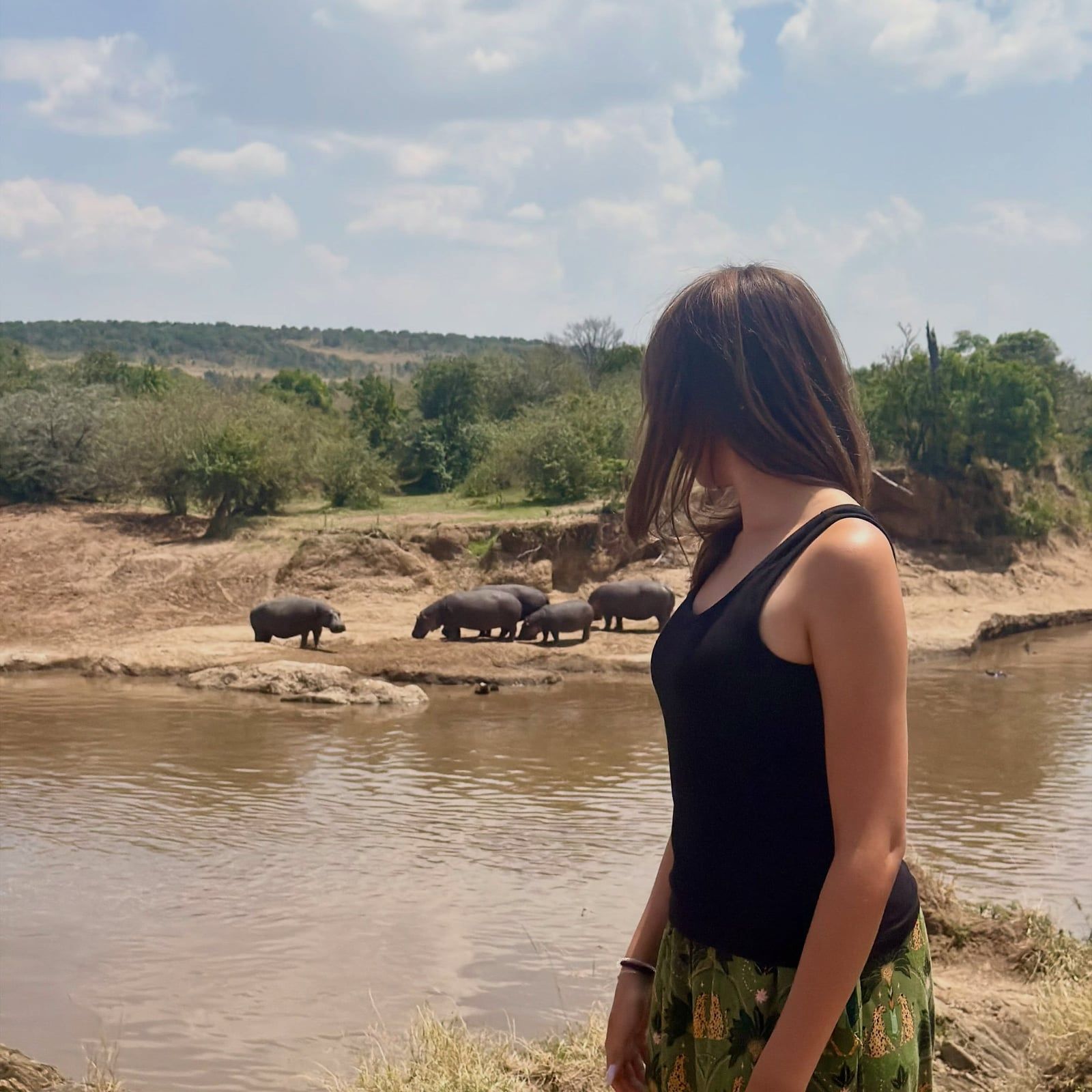
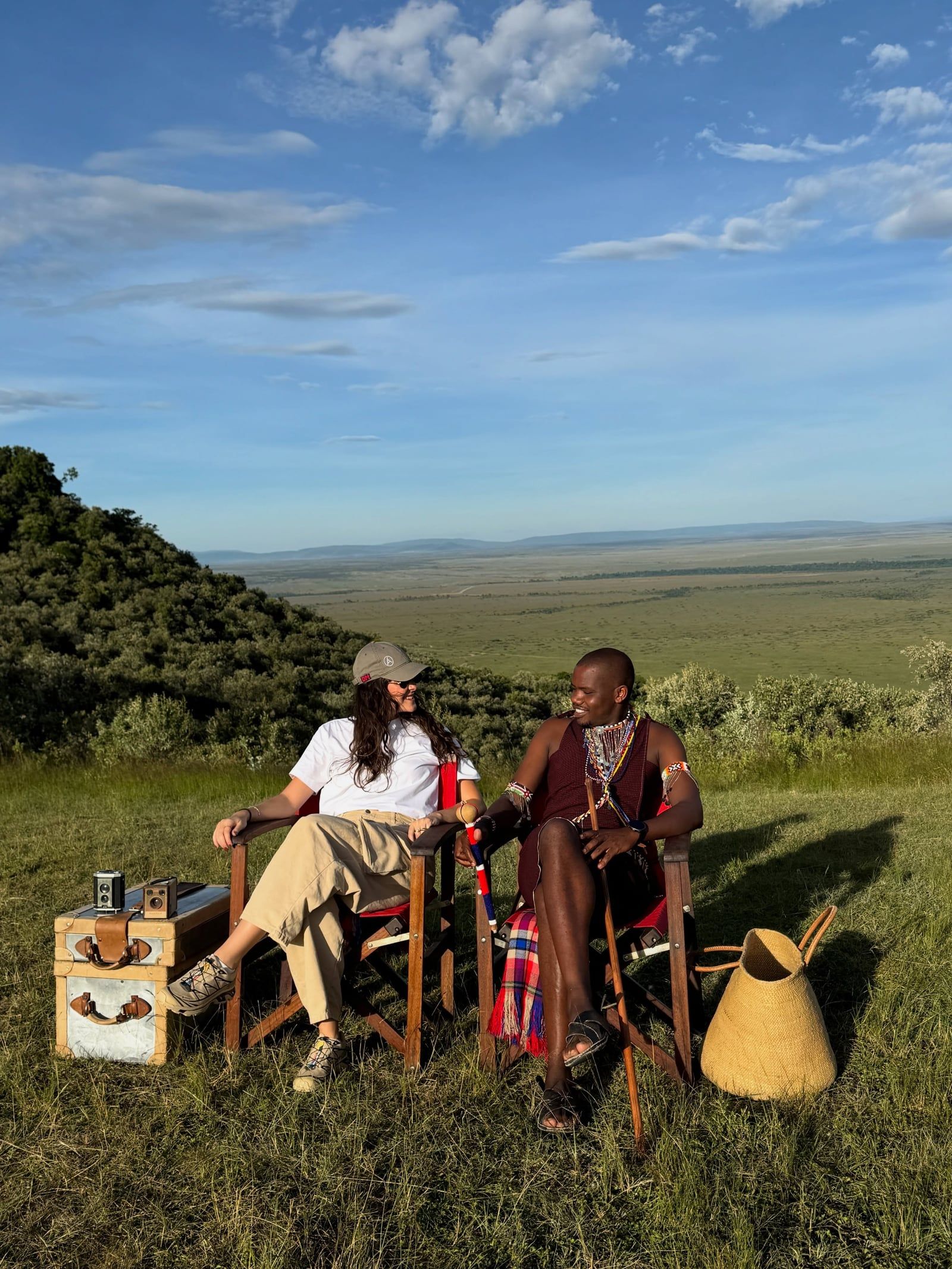
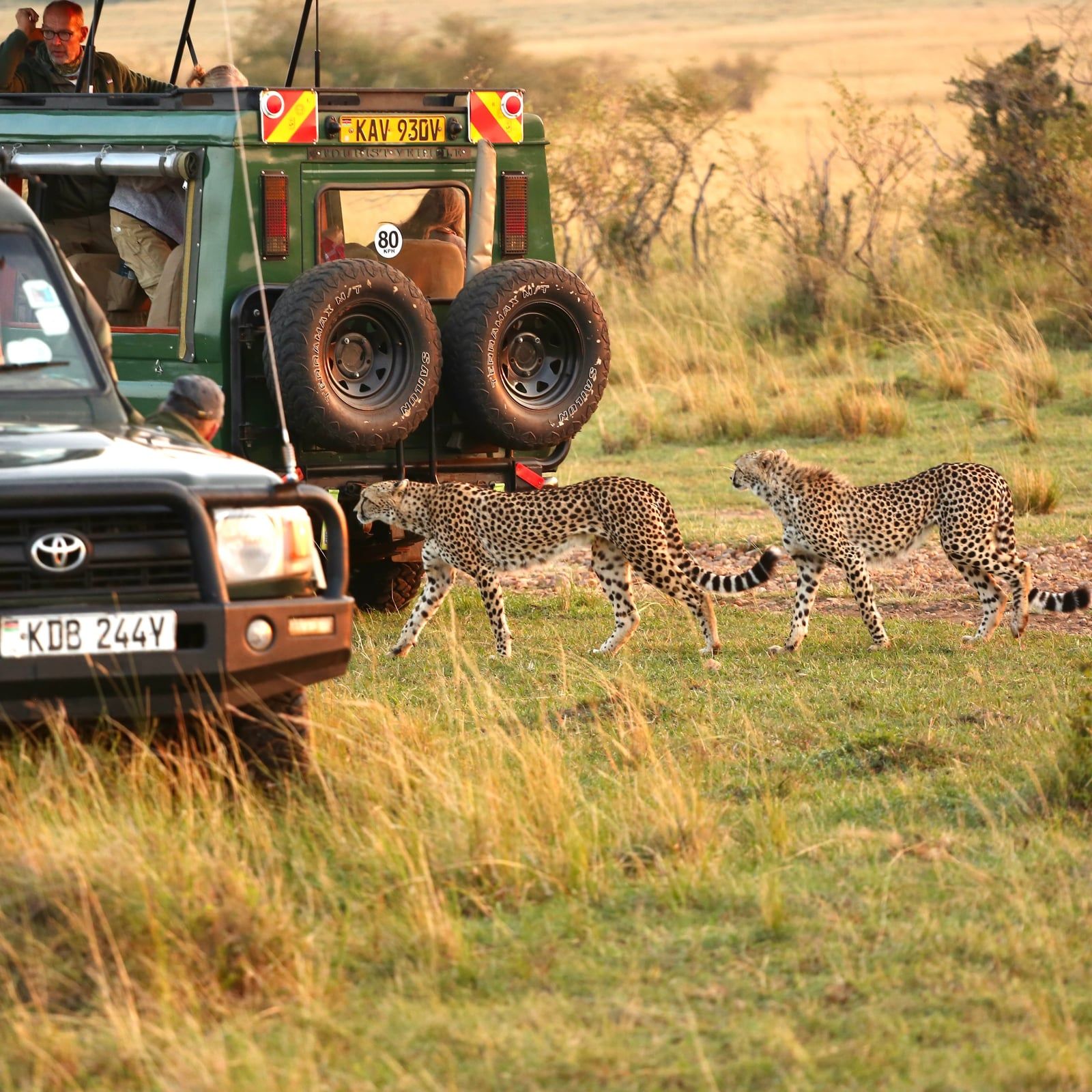
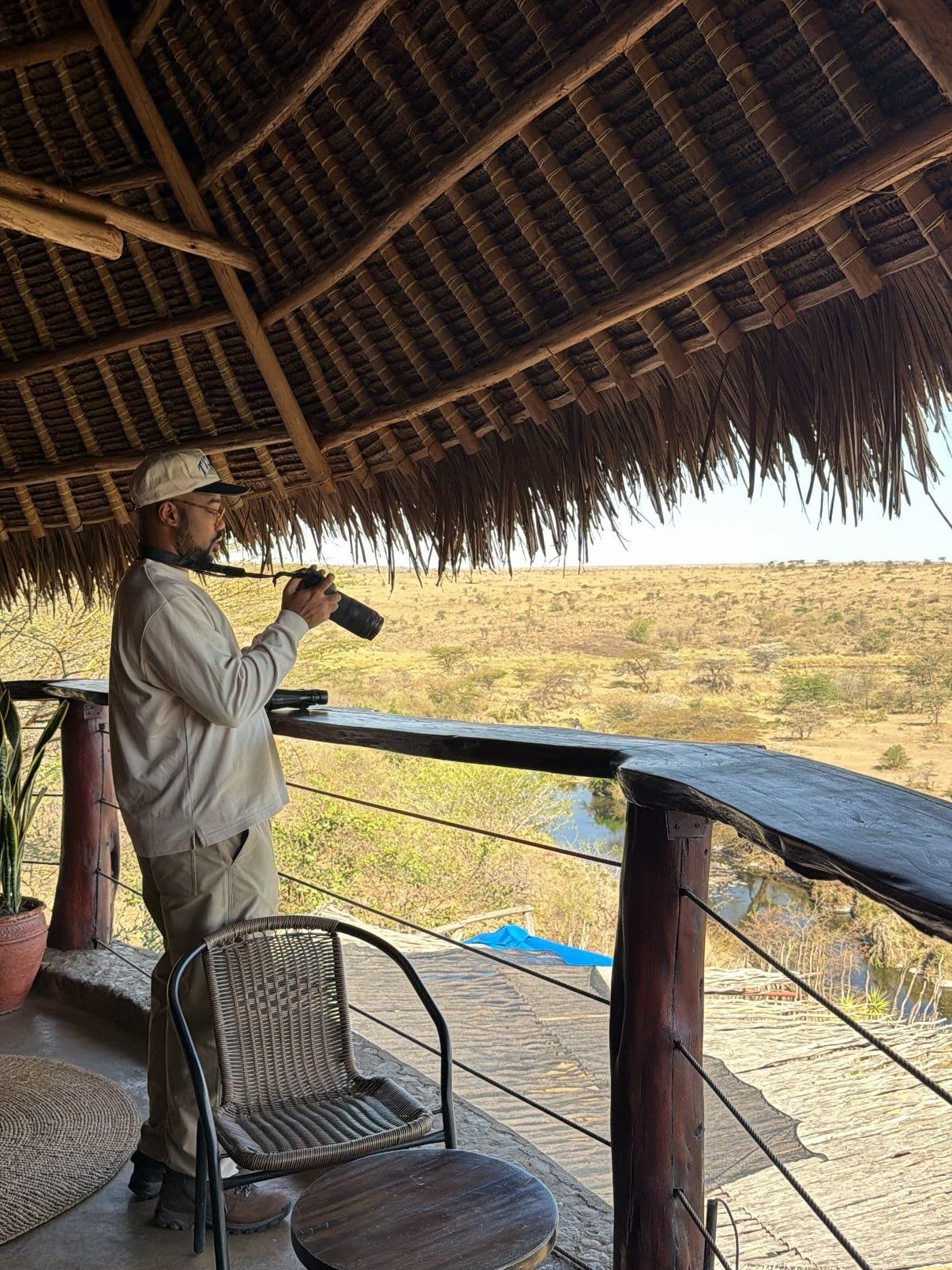
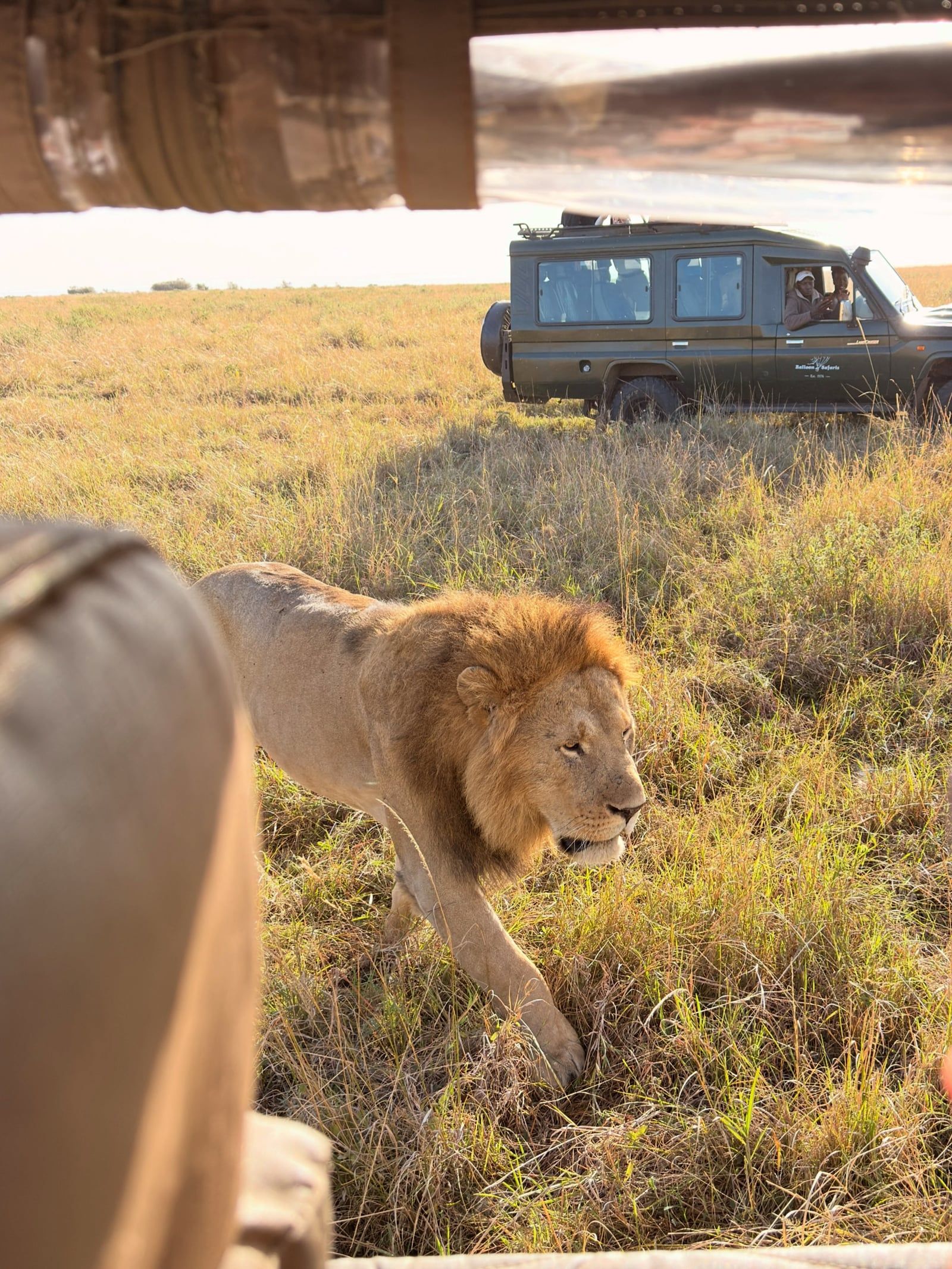
Planning advice, comparisons, and practical tips.
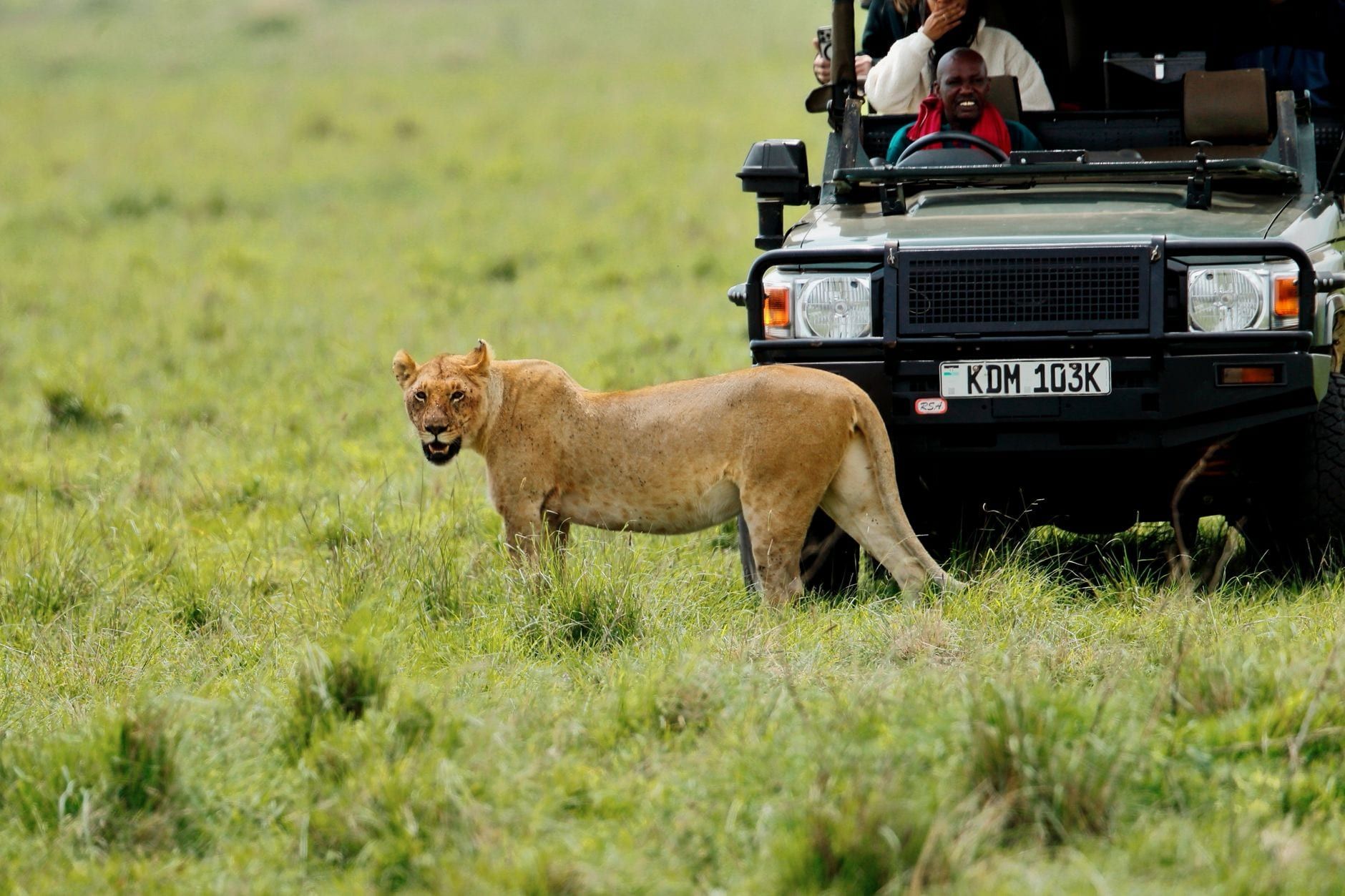
Three days is the standard Masai Mara trip length for a reason: two nights in the reserve gives you up to four game drives, and the Mara's wildlife…
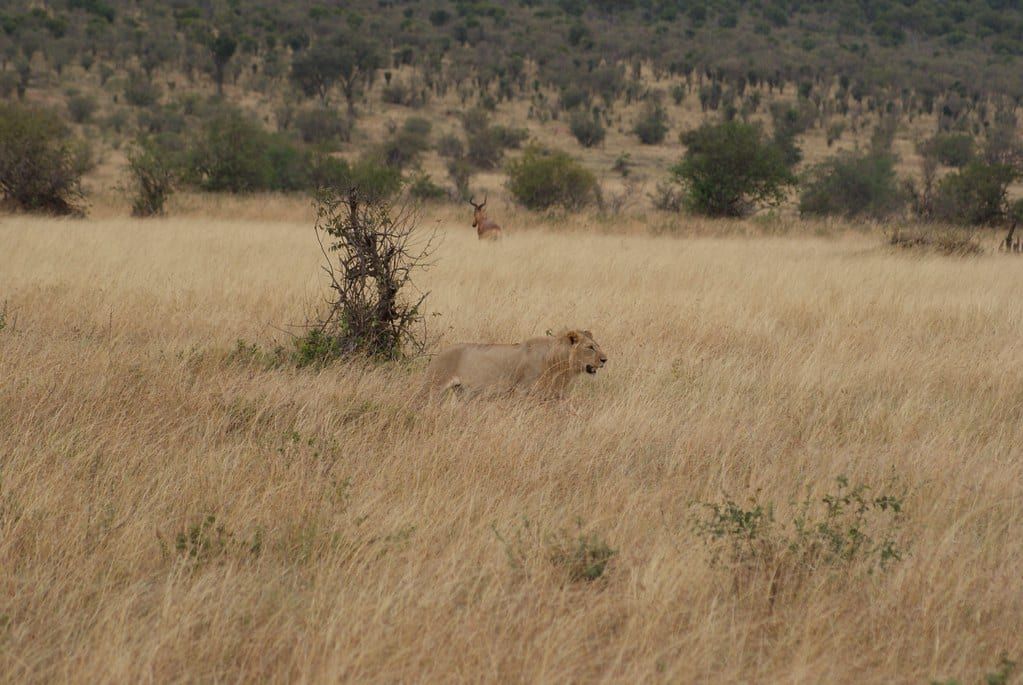
Almost every visitor to the Masai Mara arrives with the same question: which animals will I actually see? The honest answer is more good news than…
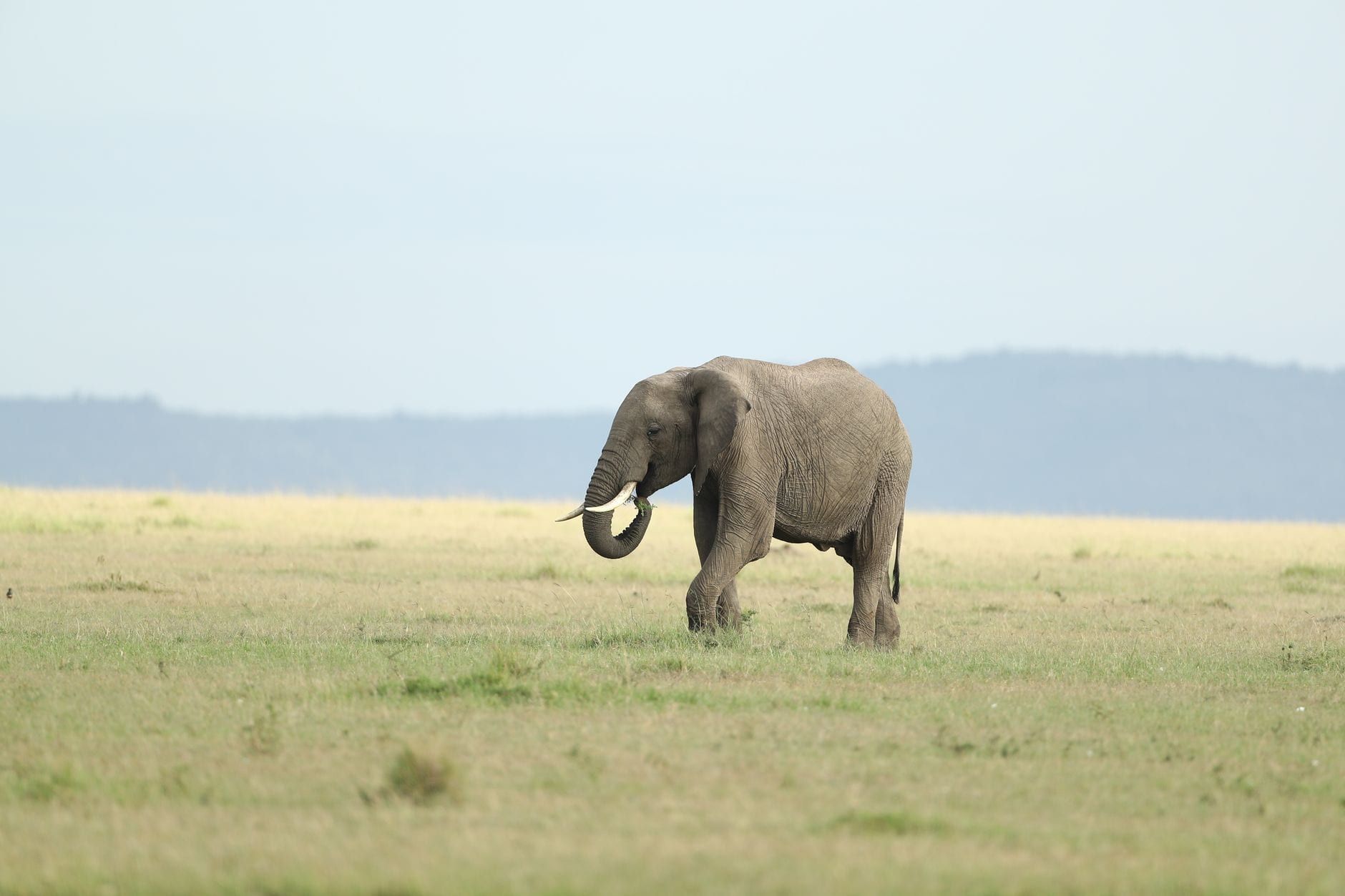
Where you sleep shapes a Masai Mara trip more than any other booking decision. More than 300 registered camps and lodges cover the reserve and the…
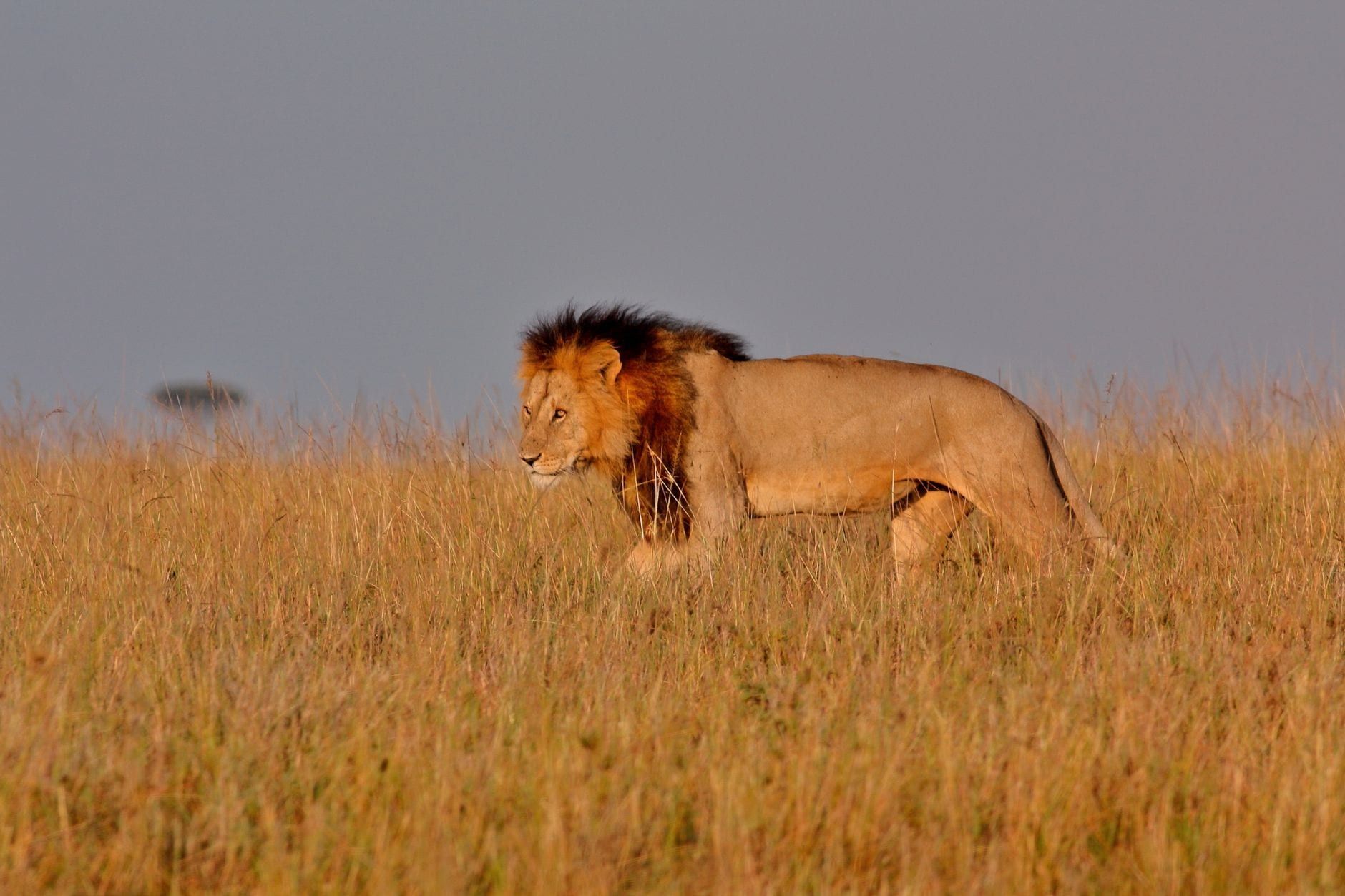
The Masai Mara and the Serengeti are two halves of the same unfenced savannah, split by a colonial-era border the wildlife ignores completely.…
Non-resident adults pay US$100 per day from 1 January to 30 June and US$200 per day from 1 July to 31 December, with the same rates confirmed for 2025 and 2026. Children aged 9-17 pay US$50 year-round and under-8s enter free. Vehicle fees run from KES 400 for a small car up to KES 5,000 for a 45-plus-seater coach.
July to October is the prime window: the herds typically arrive mid-July and Mara River crossings peak in August and September. Expect US$200/day entry fees and camps filling months ahead, so book 6-12 months out for July-September. December-February gives you the same dry-season wildlife viewing with lower fees and fewer vehicles.
Fly from Wilson Airport to a Mara airstrip in 45-60 minutes for roughly US$150-250 one-way, or drive 225-275 km via Narok in 5.5-6.5 hours. Budget travelers can combine a Nairobi-Narok bus (3-4 hours) with the Talek Express matatu to Sekenani Gate for about US$15-25 total. Note the strict 15 kg soft-bag limit if you fly.
Plan 4 days and 3 nights — enough for four to six game drives and the reserve's main sectors. A day trip from Nairobi is technically possible but you'd spend 5.5-6 hours driving each way. Serious wildlife watchers often stretch to a week, splitting nights between the reserve and a conservancy.
Neutral layers in khaki, olive or tan — mornings in an open vehicle run 10-14°C while midday hits 25-28°C — plus a fleece, windbreaker, closed-toe shoes, hat and sunscreen. Avoid camouflage-style clothing, which is best left at home in Kenya. If you're flying in, pack light: bush flights cap baggage at 15 kg per person in soft-sided bags only.
Partially. The reserve has no paved accessible trails, but specialized 4x4 vehicles with wheelchair ramps and secured seating can be arranged through accessible-safari operators, and some camps — Karen Blixen Camp in Mara North Conservancy, for example — have ramps and grab-bar bathrooms. Seniors often prefer flying in (45-60 minutes from Wilson Airport) over the 5-6 hour bumpy road transfer. Book well in advance either way.
For July-September migration season, yes — the best camps fill 6-12 months ahead. You can skip gate queues by pre-paying tickets through the KAPS office on Longonot Road, Upper Hill, Nairobi, and campsites book via marabookings.co.ke (private campsites also require two rangers for night security at KES 4,000). Hot-air balloon flights, at US$450-600 per person, should be booked 1-2 days ahead and scheduled early in your stay in case weather forces a retry.
All gates — Sekenani, Talek, Oloolaimutia, Musiara and Oloololo — open at 6:00 AM and close at 6:00 PM daily, with tickets valid for 12 daylight hours. If you're departing by road, leave the reserve by 10:00 AM or you'll owe another full day's fee. The Mara Triangle gates are cashless (card or M-Pesa only), while other gates accept cash in US dollars or Kenya shillings.
Browse verified tours with free cancellation and instant confirmation.
Find Tours


