Where you sleep shapes a Masai Mara trip more than any other booking decision. More than 300 registered camps and lodges cover the reserve and the conservancies around it, at prices from about $50 a night to $2,900 and up per person — and the gap between a good stay and a great one comes down to area, guiding, and what the rate actually includes. This guide covers all of it: the shortlist, the choice between reserve and conservancy, real price tiers, and the logistics of getting there.
Masai Mara Lodges at a Glance
No single lodge wins. The best Masai Mara lodge is the one that matches your travel month, your budget, and your tolerance for other vehicles — a honeymooner in September wants a different bed than a family of four in November. Start with this shortlist, then use the sections below to cut it to two or three.
| Property | Area | Style | Best for | Rate (pp/night) |
|---|---|---|---|---|
| Angama Mara | Oloololo Escarpment / Mara Triangle | Glass-fronted suite lodge | Honeymooners, photographers | $1,500–2,900+ |
| Mahali Mzuri | Olare Motorogi Conservancy | 12-tent designer camp | Big cats, privacy | $1,500–2,900+ |
| Mara Plains Camp | Olare Motorogi Conservancy | 7-suite river camp | Ultra-luxury, leopard country | $1,500–2,900+ |
| Cottar's 1920s Camp | Olderkesi Conservancy | 11 vintage-style tents | Romance, old-school service | $1,500–2,900+ |
| Mara Serena Safari Lodge | Mara Triangle | Hilltop hotel-style lodge | First-timers, value, drive-in trips | $350–650 |
| Keekorok Lodge | Main reserve | Mid-range lodge | Budget-conscious fly-ins | $150–250 |
How to Choose a Masai Mara Lodge
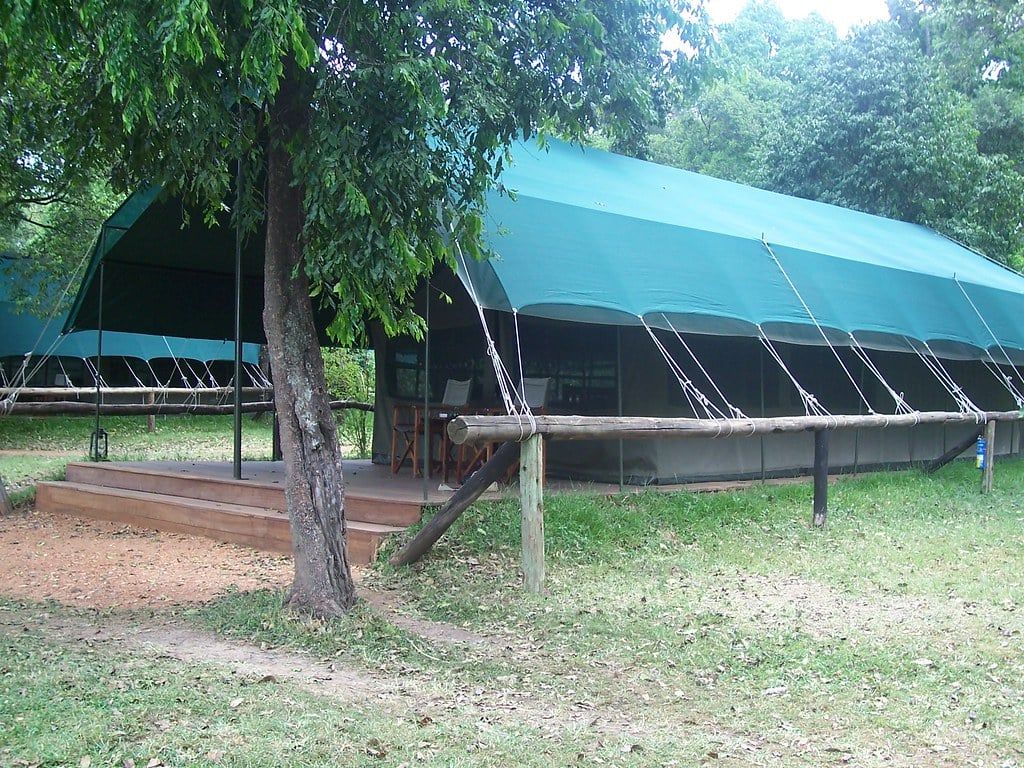
Three accommodation styles dominate the Mara, and price alone doesn't separate them. Hotel-style lodges — permanent buildings with pools, restaurants and often fenced grounds — suit travellers who want their safari in familiar packaging; Mara Serena is the template. Tented camps are the region's dominant style: canvas on raised platforms, real beds, plumbed or bucket showers, and the bush a fabric thickness away. At the bottom, basic camps cluster near the reserve gates at $50–150 a night, trading comfort for proximity.
Five things separate a good property from a mediocre one:
- Location — twenty minutes from the Mara River beats a stylish lobby an hour away.
- Guiding — a KPSGA-qualified guide finds leopards; a weak one finds traffic.
- Vehicle density — conservancies cap numbers; reserve sightings can draw ten-plus vehicles.
- Service and food — from buffet full board to multi-course candlelit dinners.
- Value — a $600 camp with a private vehicle can beat a $1,200 camp without one.
Read the rate small print before comparing prices. Fully inclusive at the top end means accommodation, all meals, twice-daily game drives and most drinks, with light-aircraft transfers usually extra. Conservancy stays also fold in off-road driving, night drives and guided walks — activities the national reserve prohibits. That bundle is why two camps with similar rooms can sit $500 apart.
Where to Stay: Reserve, Mara Triangle, or a Conservancy
This is the decision everything else hangs on. The three areas trade crowds, permitted activities and price in different directions, so work through them before you look at a single property.
The main reserve
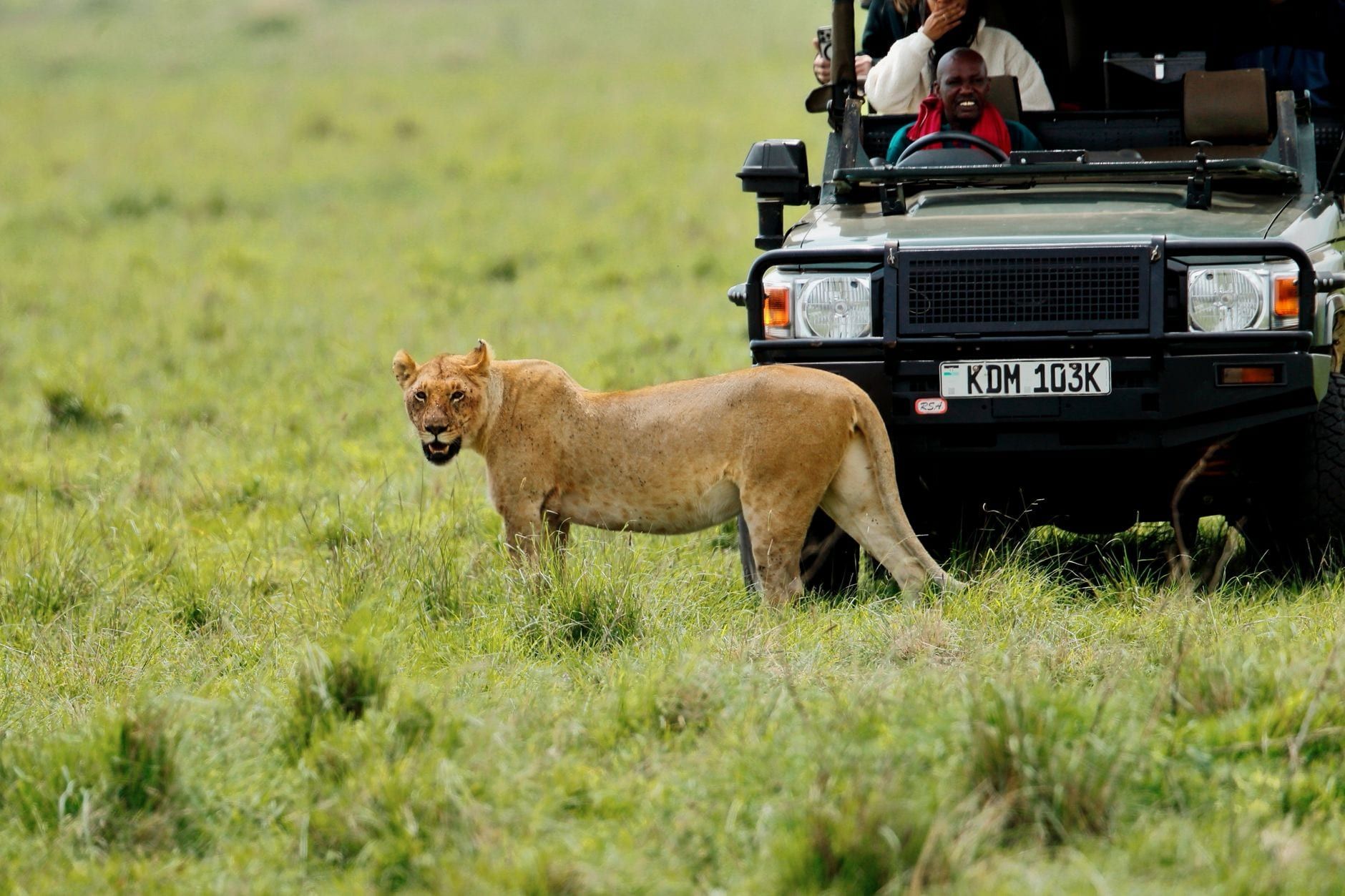
The public reserve holds the Mara River crossings and the densest big-cat viewing, and it's open to anyone who pays the $100–200 daily entry fee. That openness cuts both ways: in August a famous crossing can draw up to 200 vehicles, and when more than five gather at a sighting, viewing is capped at ten minutes. Lodging skews toward package-oriented properties — Keekorok, the Governors' camps — plus a handful of intimate tented camps. Stay here if the crossings are the point of your trip.
The Mara Triangle
The Triangle is the quieter, better-managed western third of the reserve, run by Mara Conservancy beneath the Oloololo Escarpment. Tracks are maintained, vehicle numbers stay low, and the Purungat Bridge crossing point sits inside it. Lodge choice is thin — Mara Serena and the escarpment-top Angama Mara anchor the sector — and the Triangle's gates take cards and M-Pesa only, no cash.
The private conservancies
Roughly 16 conservancies — Mara North, Naboisho, Olare Motorogi, Olderkesi and the community-run Nashulai among them — ring the reserve on land leased from Maasai owners. Camp revenue pays those leases and funds rangers, so your nightly rate directly keeps the land unfenced and unfarmed. Guest numbers are capped, and night drives, guided walks and off-road tracking are legal here and illegal in the reserve. The asymmetry that decides most itineraries: conservancy guests can day-trip into the reserve for the crossings, but reserve guests cannot enter a conservancy.
The pairing that works best
Split your nights. Two or three inside the reserve or the Triangle for the river crossings and the Musiara marsh cats, then one or two in a conservancy for walks, night drives and sightings without a queue. Most fly-in itineraries do exactly this.
The Best Masai Mara Lodges and Camps, Area by Area
These are the properties worth shortlisting, grouped the way you'll actually choose: reserve first, then Triangle and escarpment, then conservancies. Rates are indicative, per person sharing, fully inclusive unless noted.
Governors' Camp and Il Moran (main reserve)
Sibling camps on the Mara River hold the reserve's best migration real estate. Governors' Camp is the classic; Il Moran is its luxurious small sibling; Little Governors' is reached by boat across the river, then a short walk — no vehicles in camp. Pick one of the three for August–September, when the Great Migration crossings happen a short drive away. Best for first-timers and crossing-season stays.
Mara Intrepids (main reserve)
Fenced and on the Talek River, with tents on raised platforms and the Adventurers' Club keeping children busy between drives. The fence means kids can walk around camp safely — rare in the Mara. This is the family pick inside the reserve.
Keekorok Lodge (main reserve)
One of the few mid-range lodges actually inside the reserve, at roughly $150 per person per night in low season and $250 at peak. Its own airstrip makes fly-in trips work without premium-camp prices. Expect package-tour bustle rather than romance.
Angama Mara (Oloololo Escarpment)
Perched on the escarpment lip above the Mara Triangle, on the site where Out of Africa was filmed. Glass-fronted suites face the whole spread of plains below, and an on-site photography studio sets it apart. Best for honeymooners and photographers, in the flagship band at $1,500–2,900+.
Mara Serena Safari Lodge (Mara Triangle)
A hilltop, hotel-style lodge in the middle of the Triangle with a pool above the plains — the sensible classic-tier pick (about $350–650) for first-timers, drive-in itineraries, and anyone who wants a door and a ceiling. Its airstrip is one of the Mara's main flight hubs.
Mahali Mzuri and Mara Plains (Olare Motorogi Conservancy)
Two camps anchor Olare Motorogi, the conservancy with the Mara's strongest leopard and cheetah densities. Mahali Mzuri is Richard Branson's 12-tent camp, all curves and canvas; Mara Plains has seven suites on the Ntiakitiak River and a more classic safari feel. Both sit in the flagship band, and if choosing between them sounds like work, luxury lodge safaris pair them for you.
Cottar's 1920s Camp (Olderkesi Conservancy)
Eleven vintage-styled tents in the private Olderkesi Conservancy, run by a family that has guided in East Africa since 1919. It's the romance pick: 1920s canvas, silver service, guided walks and night drives on the conservancy.
Kicheche camps (Mara North and Olare Motorogi)
The Kicheche camps are the Mara's guiding benchmark: a maximum of four guests per open 4x4 and KPSGA-qualified guides throughout. Photographers get flagship-grade game viewing without the flagship price tag, which makes these the value pick among luxury camps.
Signature experiences your lodge can arrange
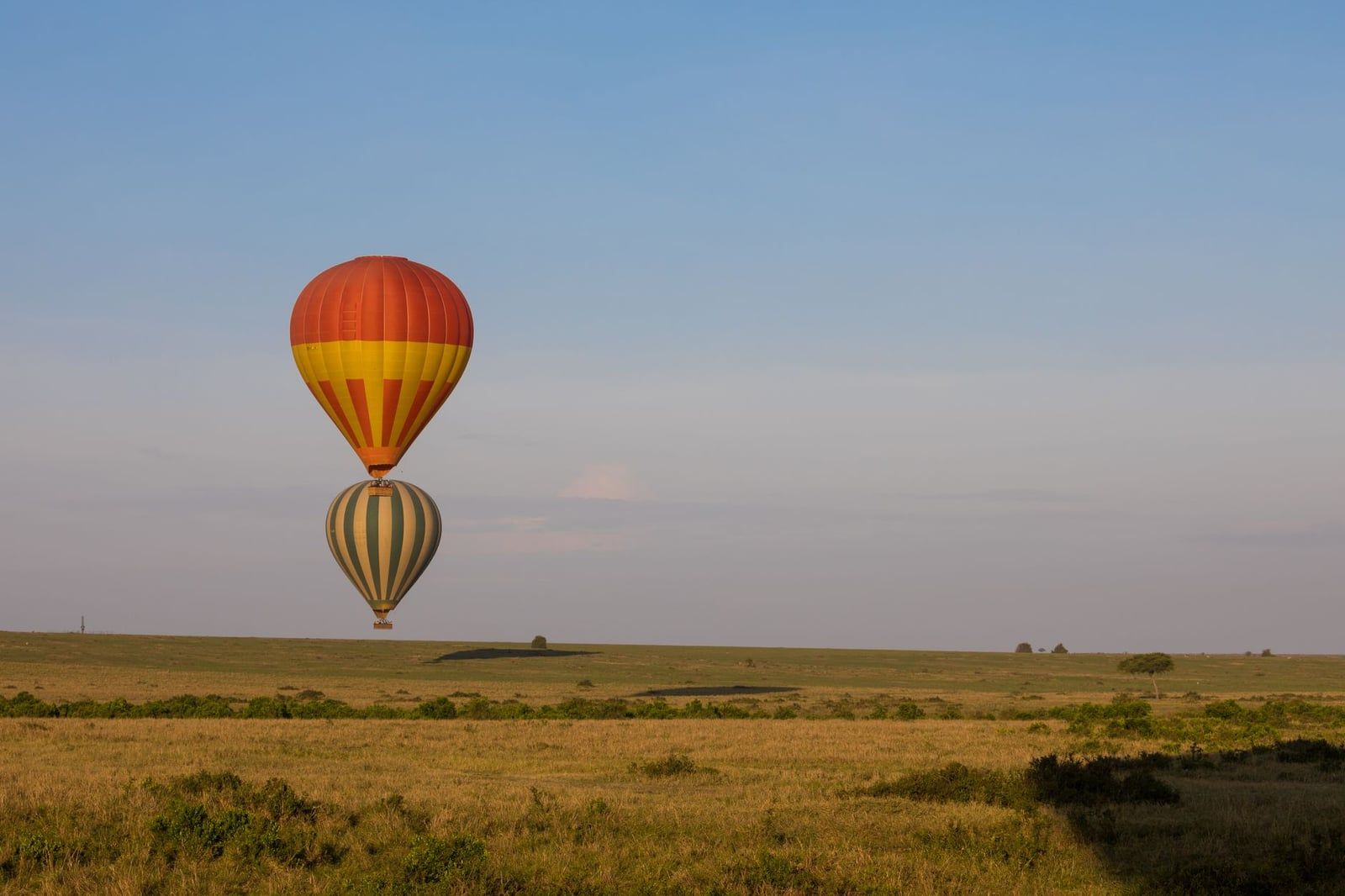
The camps themselves organise the extras. Dawn hot-air balloon flights run about $450–600 per person for one to one-and-a-half hours over the herds, ending with a champagne bush breakfast; book a day or two ahead and early in your stay, since flights cancel in wind and operators retry the next morning — you can compare balloon safaris here. Bush dinners — lanterns, white linen, a Maasai choir — are standard at premium camps. Village visits near the gates cost $30–50 per person including the community contribution; ask permission before photographing anyone.
What Masai Mara Lodges Cost
Mara pricing runs in five tiers, and the convention is per person per night sharing — a couple at $500 each is paying $1,000 for the tent. Here's what each band buys:
| Tier | Rate (pp/night) | What's typical | Examples |
|---|---|---|---|
| Budget | $50–150 | Bed and basics at the gate towns; drives and park fees extra | Camps at Sekenani, Talek, Oloolaimutiek |
| Mid-range | $150–250 | Lodge room with meals; drives and fees usually extra | Keekorok Lodge |
| Classic | $350–650 | Full board, pool, prime in-reserve position | Mara Serena |
| Premium | $750–1,500 | Fully inclusive: meals, twice-daily drives, most drinks | Top tented camps |
| Flagship | $1,500–2,900+ | Fully inclusive plus conservancy fees, walks, night drives | Angama, Mahali Mzuri, Mara Plains, Cottar's |
Add park fees to every tier except flagship conservancy stays. Non-resident adults pay $100 per day from January 1 to June 30 and $200 from July 1 to December 31; children aged 9–17 pay $50 and under-8s enter free. Reserve tickets are valid 6am–6pm, and if you leave by road after 10am you owe another day's fee. Conservancy entry runs $80–120 per adult but is almost always built into the camp rate — see our Masai Mara hours and fees page for the full breakdown.
The genuinely cheap beds cluster in the gate towns — Sekenani, Talek and Oloolaimutiek — where those 300-plus registered properties compete. The trade-off is drive time: from the gates it can take an hour to reach the Musiara marsh or the river, and you'll share every sighting with the day-trip crowd.
Best Time to Book and Stay
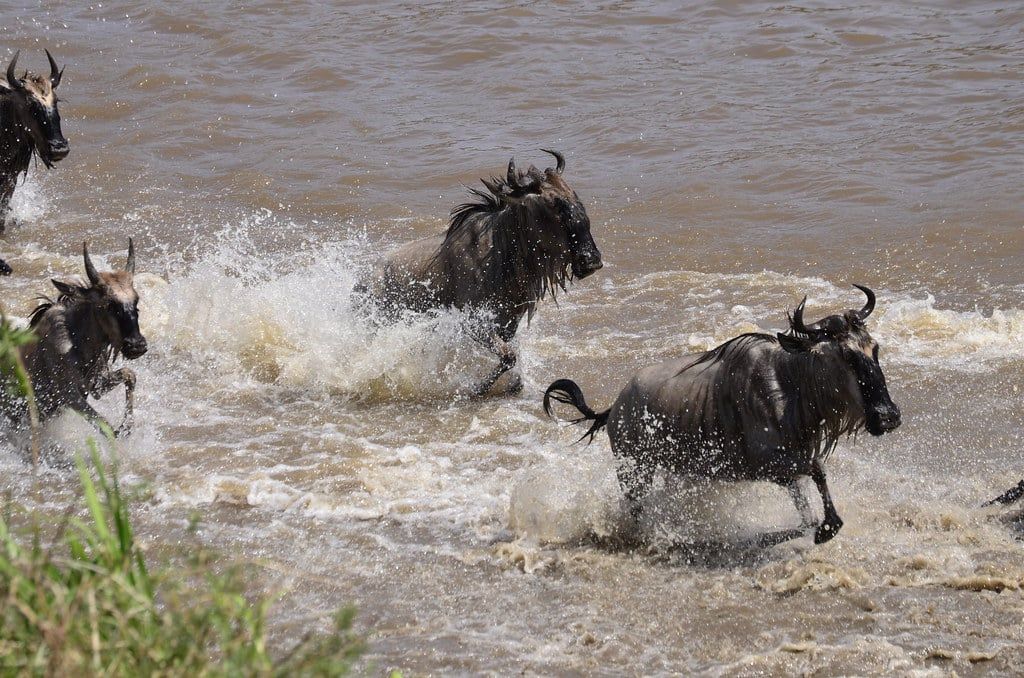
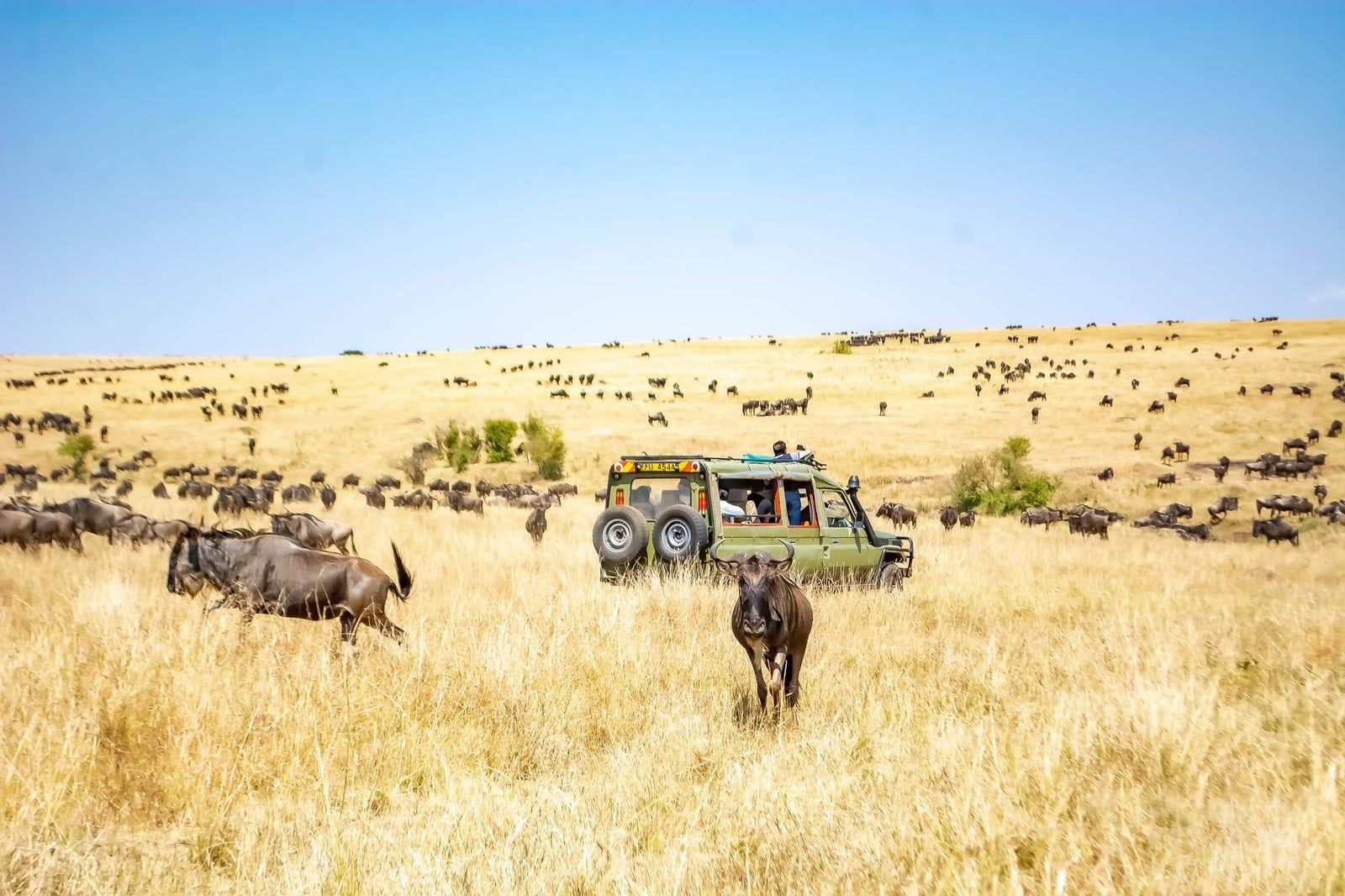
The migration sets the calendar. Roughly 1.3–1.5 million wildebeest plus some 400,000 zebra and hundreds of thousands of gazelles arrive from the Serengeti around mid-July and stay into early October, with Mara River crossings peaking in August and September. That window is the Mara at its best and busiest: peak wildlife, $200-a-day entry, and camps booking out six to twelve months ahead — the river-side ones first.
Shoulder seasons reward patience. June and January–February combine good resident game with $100-a-day entry and thinner vehicle queues. Mid-March to early May is the long-rain low season: some camps close entirely and the ones that stay open drop to their cheapest rates, though muddy tracks make a 4x4 essential.
Match the camp to your month, not to a static "best lodge". August–September travellers should weight their stay toward the river — Governors', Little Governors', or the Triangle. Once the herds head south, conservancy camps with strong resident game, like Kicheche and Mara Plains, earn their keep. Our best time to visit the Masai Mara guide has the month-by-month detail.
Getting There: Fly or Drive from Nairobi
Flying wins on time. Scheduled light aircraft leave Nairobi's Wilson Airport through the morning with Airkenya, Safarilink and Mombasa Air Safari, taking 45–60 minutes to the Mara's strips at roughly $150–250 one-way. Match the strip to your lodge: Olkiombo for the central reserve, Musiara for Governors', Keekorok and Mara Serena each have their own, Olare for the Olare Motorogi camps, Kichwa Tembo for the Oloololo side. The baggage limit is 15kg per person in soft bags only — hard suitcases can be refused — and check-in closes an hour before departure.
Driving suits budget trips and longer Kenya circuits. The road is tarred from Nairobi through Narok all the way to Sekenani gate — 225–275 km and 5.5–6.5 hours depending on your gate — but allow a full day, and don't plan to arrive after mid-afternoon: gates shut at 6pm and you want daylight to reach camp. A road safari also lets you break the journey at Lake Naivasha or Hell's Gate; our directions to the Masai Mara page covers the routes, or browse tours from Nairobi that bundle the transfer.
FAQs About Masai Mara Lodges
What is the difference between a Masai Mara lodge and a tented camp?
Lodges are permanent, hotel-style buildings — Mara Serena is the example — while tented camps put canvas on raised platforms with real beds and ensuite bathrooms; canvas is the Mara's dominant style. Camps feel closer to the bush, lodges more familiar and often fenced, and both span the price spectrum.
Is it better to stay inside the Masai Mara reserve or in a private conservancy?
The reserve and its Mara Triangle hold the river crossings but are open to day visitors and busiest at peak sightings. Conservancies cap vehicle numbers and allow night drives, off-road driving and walks — prohibited in the reserve — and their guests can day-trip in for the crossings, while reserve guests can't enter conservancies.
How much do Masai Mara lodges cost per night?
Budget camps run $50–150 per night, mid-range lodges $150–250 per person, classic lodges $350–650, premium camps $750–1,500, and flagship camps $1,500–2,900+ — mostly per person sharing and fully inclusive. Reserve entry of $100–200 a day is usually extra; conservancy fees are normally bundled.
Are there budget lodges in the Masai Mara?
Yes — basic camps at $50–150 cluster at the Sekenani, Talek and Oloolaimutiek gates, and the in-reserve Keekorok Lodge runs about $150–250 per person. Expect longer drives to the wildlife hotspots and no exclusivity at sightings.
Which Masai Mara lodges are best for families?
Fenced camps are the answer: Mara Intrepids on the Talek River runs a children's Adventurers' Club and lets kids walk around camp safely. Cottar's 1920s and Mahali Mzuri have dedicated family tents; also ask about private vehicles and minimum ages at conservancy camps.
How far in advance should I book a Masai Mara lodge?
Book six to twelve months ahead for July–October migration dates — the river-crossing camps fill first. Green-season stays (mid-March to May) need far less notice, and April rates are the year's cheapest.
How do I get to my lodge from Nairobi?
Fly 45–60 minutes from Wilson Airport to the airstrip nearest your lodge ($150–250 one-way, 15kg soft-bag limit) on Airkenya or Safarilink, or drive 5.5–6.5 hours to Sekenani via Narok and allow a full day.
When is the best time to stay for the Great Migration?
Herds arrive from the Serengeti around mid-July and stay into early October, with Mara River crossings peaking in August and September. Any lodge in the reserve, Triangle, or a short drive from the river works — but pick by your exact month, because the herds move.