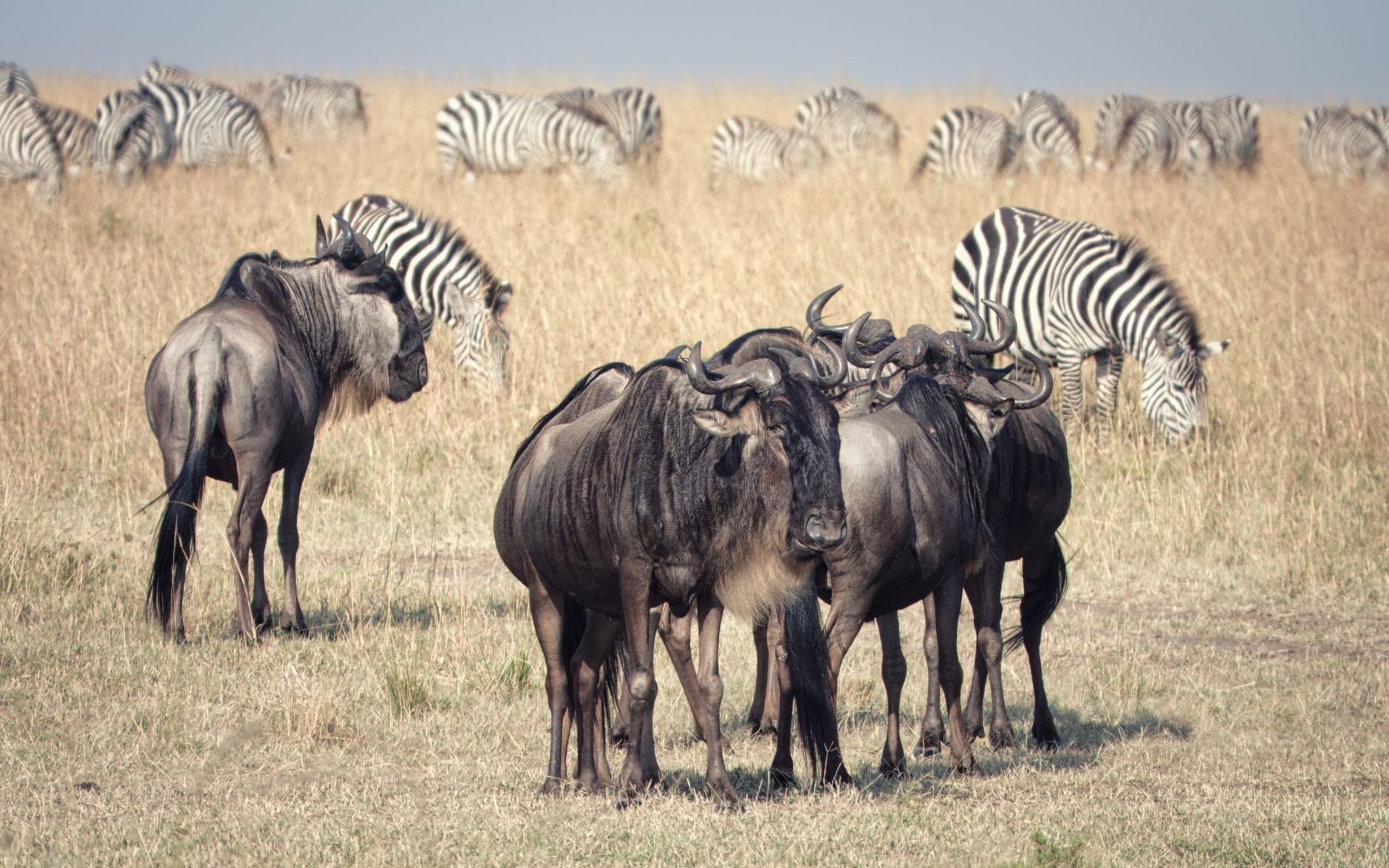
July to October is the best time to visit the Masai Mara: the long dry season concentrates wildlife at water, the Great Migration herds are in residence, and rain rarely disrupts a game drive. Within that window, August and September are the months when Mara River crossings are most likely — and when the reserve is most crowded. The trick is matching the month to what you actually want from the trip, because the Mara's resident lions, elephants and giraffes never leave.
Every month trades something for something else. Migration season brings roughly 1.5 million wildebeest and peak prices; the green season brings newborn animals, empty plains and park fees that are half of what you'd pay in August. This guide breaks down all twelve months so you can pick your trade-off deliberately.
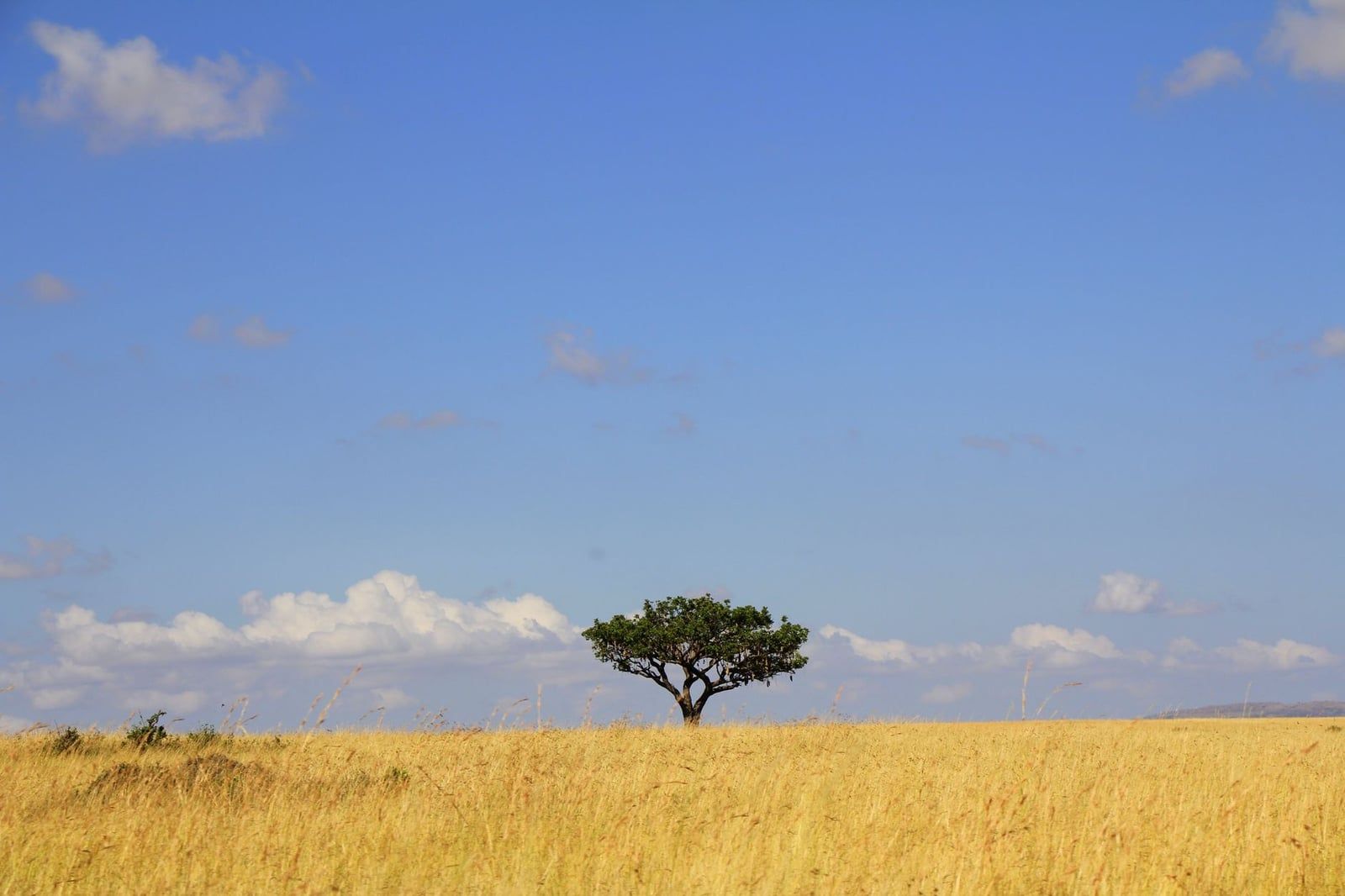
Quick Answer: The Best Time to Visit Masai Mara
Go between June and October if wildlife viewing is the point of the trip. That's the dry season: thin vegetation, animals forced to drink at permanent water, and the migration herds crossing in from the Serengeti. July and August are the headline months, but they're also the most expensive and the most congested — one safari driver counted 180–200 vehicles waiting at a single river crossing in the July–August peak.
Three windows stand out for different travelers. The migration peak (July–October) is for first-timers who want the full spectacle and will pay for it. Late September to October is the smarter version of the same trip — the herds are still in the Mara, European school holidays are over, and sightings thin out. And February–March is the green-season pick: calving, predator action, soft light and near-empty plains at low-season rates.
| Months | Rating | Weather | Migration | Crowds | Adult entry fee |
|---|---|---|---|---|---|
| Jan–Feb | Good | Warm (12–26°C), mostly dry | Resident game only | Quiet | US$100/day |
| Mar–May | Mixed | Long rains; April wettest (~244 mm) | Herds absent | Empty | US$100/day |
| Jun | Excellent | Cool, drying out | Herds arriving late month | Pre-peak | US$100/day |
| Jul–Oct | Excellent | Dry, cold dawns (10–21°C) | Peak; crossings Aug–Sep | Very busy | US$200/day |
| Nov | Fair | Short rains (~151 mm) | Herds head south | Quiet | US$200/day |
| Dec | Good | Green, warm (13–24°C) | Resident game only | Quiet, then festive spike | US$200/day |
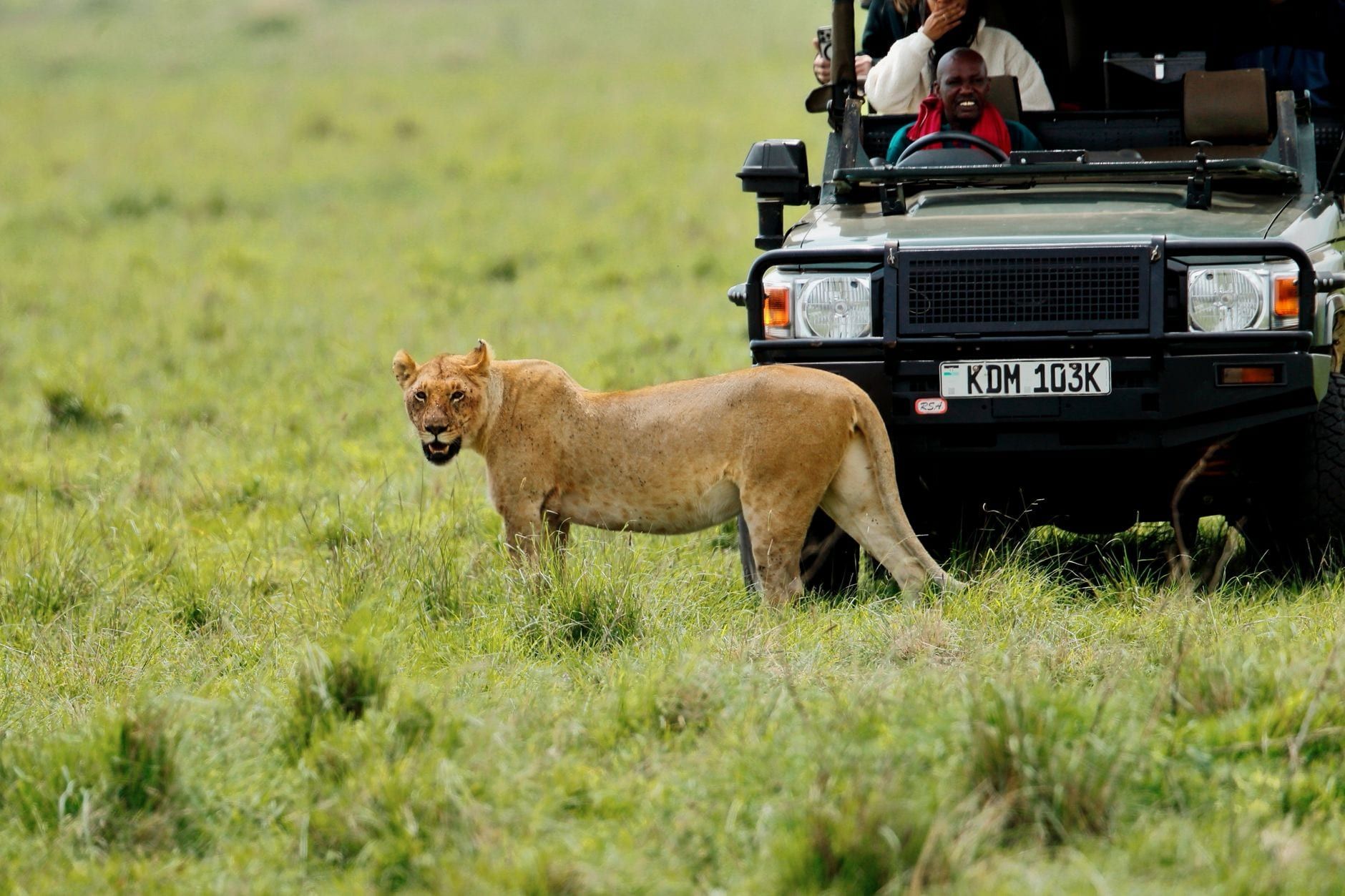
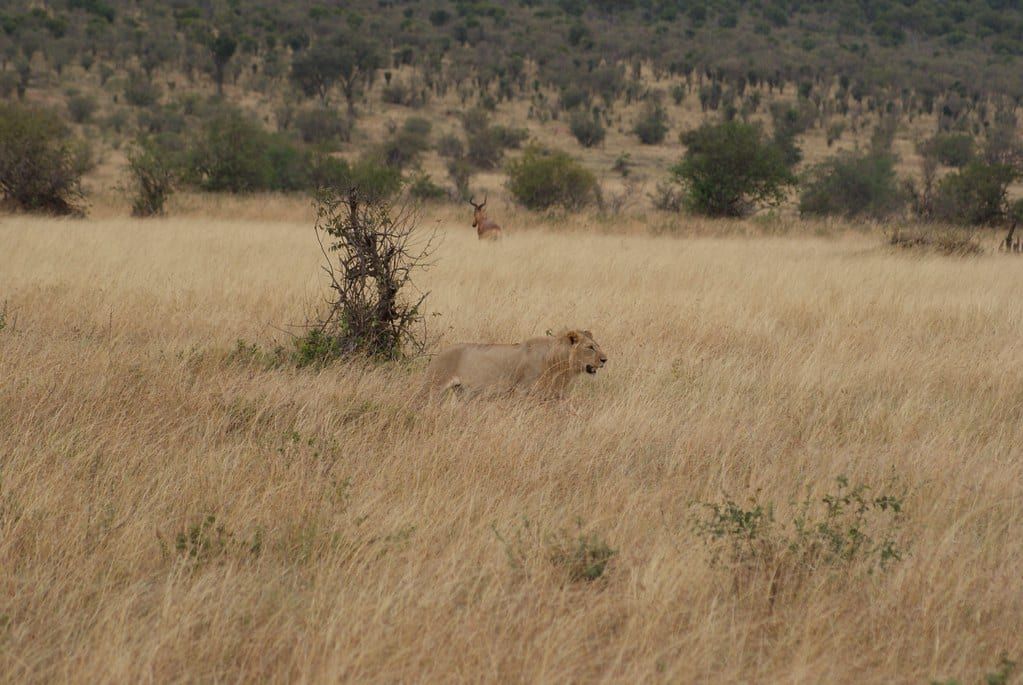
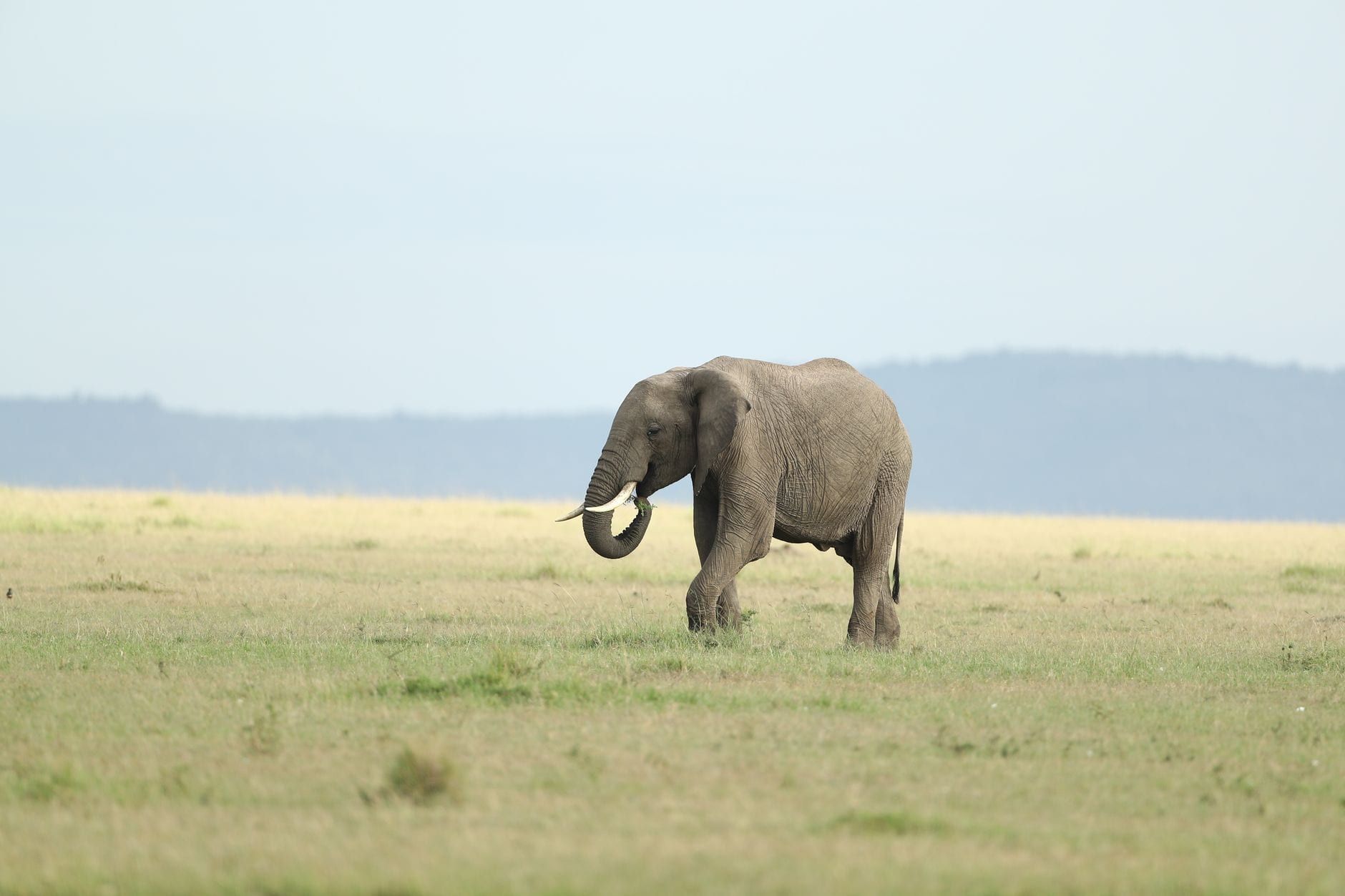
One honesty note: there's no bad month in the sense of a closed season. The Mara holds abundant resident game year-round — eland, impala, giraffe, topi, hippo, warthog and large lion prides don't follow the herds north. Timing here is about trade-offs between cost, crowds and spectacle, not about months to avoid entirely.
Masai Mara High Season vs Low Season: Weather, Crowds, Prices and Park Fees
The Mara runs on a four-season calendar. Long rains soak the reserve from mid-March through May or early June. A main dry season runs June to October, broken only by the odd shower. A shorter dry spell covers January and February, warmer and greener. Then the short rains arrive in November and December — brief, intense, and far less disruptive than the long rains.
Altitude explains the temperatures. Despite sitting almost on the equator, the reserve lies at roughly 1,500 metres, so days are a pleasant 20–25°C while dawn game drives in an open vehicle run 10–14°C. Bring a fleece, a beanie and gloves for 6 AM starts in July and August; you'll be down to a t-shirt by lunch. January and February are warmer still, at 25–30°C, which pushes wildlife toward waterholes and riverbanks — a viewing advantage, if you can take the heat.
The seasonal fee split is the number most guides leave out, and it's set by the Narok County Government, which manages the reserve. Non-resident adults pay US$100 per day from 1 January to 30 June, and US$200 per day from 1 July to 31 December — the high-season rate covers the migration and the festive period. Children aged 9–17 pay US$50 year-round; under-8s enter free. Tickets are valid for a 12-hour window from 6 AM to 6 PM, so entering at gate-opening gets you a full paid day — and if you're leaving by road you must exit by 10 AM or you owe another full day's fee. Full gate hours and fee rules are worth checking before you commit to dates.
| High season (Jun–Oct, late Dec) | Low/green season (Apr–May, Nov–mid Dec) | |
|---|---|---|
| Crowds | Peak; up to 200 vehicles at river crossings | Reserve nearly empty; a few vehicles per sighting |
| Adult entry fee | US$200/day (Jul–Dec) | US$100/day (Jan–Jun window) |
| Lodge rates | Peak pricing; camps sell out months ahead | Lowest of the year; walk-in availability common |
| Wildlife | Migration herds; Big Five concentrated at water | Resident game; newborn animals Feb–May |
| Weather | Dry, cold dawns, dusty by September | Rain likely; April sees ~244 mm vs July's ~22 mm |
| Photography light | Bright, hazy, dusty golden hours | Soft light, dramatic skies, lush backdrops |
Rain mostly disrupts roads, not sightings. April's 244 mm of rain (against July's 22 mm) turns the reserve's black cotton soil into a sticky trap for two-wheel-drives, and some camps simply close for maintenance until June. But animals don't disappear when it rains — if you can get to them, wet-season sightings are excellent. One quirk to plan around: late December gets a festive-season bump in crowds and pricing despite sitting in the green season, as Kenyan and expat families take holiday trips.
Great Migration Timing: When the River Crossings Happen
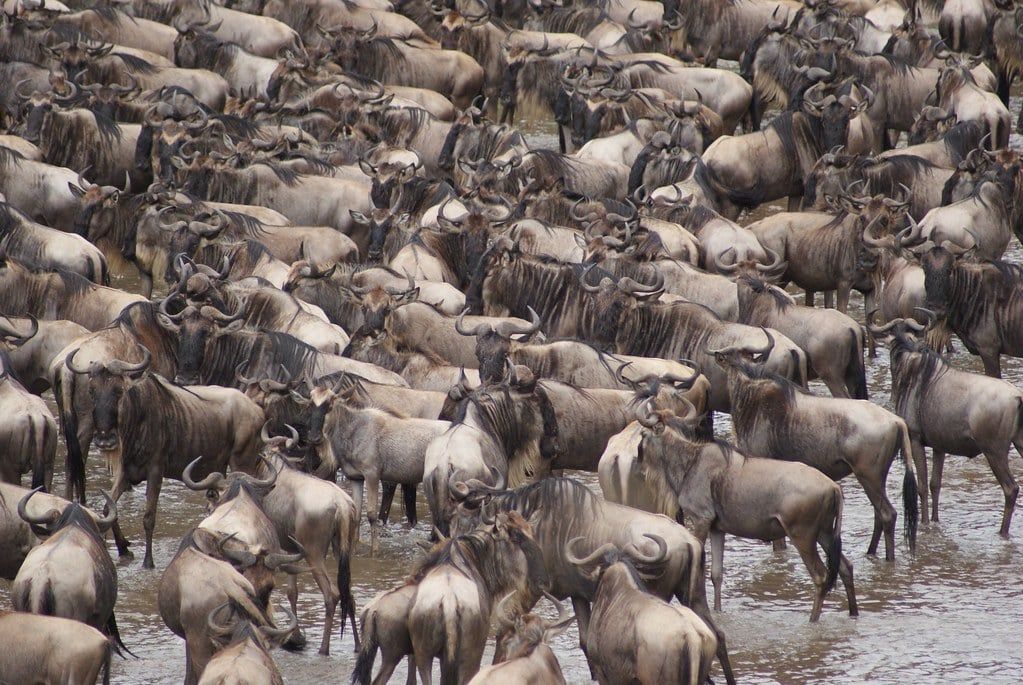
The herds leave Tanzania's Serengeti as its grass dries out and push north, typically reaching the Mara around mid-July. By August the migration is in full swing; the wildebeest mill around the Mara's northern plains through September, then drift back south with the October and November rains. Stragglers can linger into November before the short rains trigger the final leg toward the Serengeti calving grounds. The whole circuit covers about 800 km a year — roughly 1.5 million wildebeest plus 400,000 zebra, some 300,000 gazelles and 12,000 eland, all moving for grass and water. For the mechanics behind the route, our Great Migration guide covers it in depth.
Mara River crossings typically run from late July through October, with August and September the most reliable months. August is the safest single-month bet if a crossing is the one thing you're flying to Kenya for. Crossings can begin as early as June in some years — and here's the part first-timers get wrong: no one can schedule them. The herds follow rain, so some weeks they stage on the riverbank and refuse to cross; other days the same herd crosses four times before dusk. A good guide positions you for the wait; nobody can promise the plunge.
Booking is the other hard reality. Migration-season camps sell out 6–12 months ahead — up to a full year for the July–October riverside properties. If you're planning last-minute, compare migration safari itineraries early, because the rooms with crossing access go first. The trade worth considering: late September and October still see regular crossings, the herds are still resident, and the vehicle count at the river drops noticeably once European school holidays end.
Masai Mara Month by Month
Twelve months, each with its own weather profile and its own case. Temperatures below are typical daily minimums and maximums; rainfall is the monthly average. Treat the rain figures as tendencies, not forecasts — the Mara's seasons shift by weeks from year to year.
January
12–25°C, around 57 mm of rain. The short rains have usually ended and the plains are still green. It's the best birding month, with European and North African migrants in residence, and calving is already underway. Quiet, warm, and on the US$100 fee tier — a genuinely underrated month.
February
12–26°C, about 49 mm. Peak calving: thousands of wildebeest, zebra and antelope young are born daily on the lush plains, and the predators know it. Predator action runs at its most intense of the year, vehicles are scarce, and lodge rates sit at their off-season floor. For photographers and repeat visitors, this is the pick.
March
13–26°C, roughly 93 mm and rising. The long rains build through the month, and some lodges begin closing late in March ahead of the wettest stretch. Go early in the month and you catch green-season conditions with most infrastructure still open; by the final week you're rolling the dice.
April and May
April is the wettest month of the year at about 244 mm; May improves slightly at 186 mm, with temperatures of 13–24°C. Roads on black cotton soil turn to mud, several camps close for maintenance, and driving becomes genuinely difficult. The reward: the Mara almost to yourself, at the lowest rates of the year, in full flower. Fly in rather than drive and much of the difficulty disappears.
June
11–22°C, around 42 mm. Cool, green and drying out. The migration herds haven't arrived in force and neither have the tourists, which makes June the pre-season sweet spot: dry-season viewing conditions with low-season fees (US$100/day) and thin vehicle traffic. The first wildebeest columns sometimes appear late in the month.
July
10–21°C, about 22 mm — the driest month of the year. The herds typically arrive around mid-July, and the first Mara River crossings can follow within days. Crowds build fast as European summer holidays start, and the fee tier jumps to US$200/day. Book this month a year ahead.
August
10–21°C, about 27 mm. Peak crossings, peak crowds, peak prices. August is the most reliable month to see wildebeest taking the Mara River, and the most reliable month to share the sighting with dozens of vehicles. Accept the congestion or choose September.
September
11–24°C, roughly 29 mm. The herds are still in residence and crossings still happen most weeks, but the school-holiday exodus thins the vehicles noticeably. Slightly warmer days. For many regulars this is the best month in the Mara — migration odds still high, traffic moderate.
October
12–25°C, about 67 mm. Warm, mostly dry, with the herds still grazing the northern plains and stragglers crossing until the rains call them south. School holidays are over, so crowds sit at shoulder-season levels while the US$200 fee still applies. A strong choice for a first safari.
November
13–23°C, around 151 mm. The short rains arrive, usually as brief afternoon thunderstorms rather than all-day soakers. The migration departs south toward the Serengeti calving grounds, and birding builds as migrants settle in. Low-season lodge rates start — a soft landing between peak season and the long rains.
December
13–24°C, about 99 mm. Green, lush and — in the first half of the month — remarkably quiet: 5–15 December has been measured at roughly two vehicles per sighting, against around 30 in July. Short grass means strong game viewing. From mid-month the festive-season rush arrives, so book the early-December window for the calm version.
The Best Time to Visit by Travel Priority
The single best month doesn't exist; the best month for your trip does. Match your priority to a window.
Maximum crossing odds: August
If seeing a wildebeest river crossing is the entire point of the trip, book August and accept everything that comes with it — US$200/day fees, crowded riverbanks, camps booked a year out. Reliability is what you're buying. Build in three or four days in the reserve so guides have multiple chances to position you when a herd stages at the water.
Migration without the crowds: late September–October or June
Late September and October keep the herds in residence while shedding the school-holiday traffic; June delivers dry-season game with green scenery and US$100 fees before the wildebeest arrive. Early December is the sleeper option — short grass, quiet plains, resident herds in top condition. Pick June if fees matter; pick October if the migration does.
Budget trips: April–May and November to mid-December
Lodge rates hit their floor in April–May and again from November into early December, and the US$100 fee tier runs 1 January to 30 June. April–May costs least but requires flying in and accepting closures; November–mid-December costs only slightly more with far less disruption. For most budget travelers, November is the smarter cheap month.
Photography: February–March
Green season is photography season: soft light, dramatic storm skies, lush backdrops and calving-driven predator action, all with empty frames — no other vehicles photobombing your lion. The trade-off is longer grass, which can hide animals, and rain days. Serious shooters who want migration columns instead should take late September, when dust levels drop after the peak and golden-hour light improves.
Birding: November–April
The Mara's 500-plus documented bird species — including nearly 60 raptors — are at their best when European and North African migrants arrive for the northern winter. November through April combines residents and visitors; January is the strongest single month. Keen birders should pick a camp with a walking guide, since many specials sit in riverine forest rather than open plain.
Families tied to school holidays: July–August, or early December
July and August pack out because European schools break — that's the whole story of peak season. If you can shift the trip to early December, you get a quieter reserve and lower rates, though the US$200 fee still applies. Within July–August, families should choose a private vehicle so drives can run short and start late; children under 8 enter free and 9–17-year-olds pay US$50.
Big Five viewing: June–October
Dry-season grass is short and thin, and animals concentrate around permanent water, which makes the Big Five — and everything else — easier to find and to see. The Mara's full animal roster of roughly 90 mammal species is present in every month, but June–October gives you the best odds of clear sightings of the shy members: leopard and rhino.
The Worst Time to Visit the Masai Mara — and When It Can Still Work
April and May are the toughest months, and there's no softening that. The long rains dump April's 244 mm onto soil that turns adhesive when wet — black cotton mud swallows vehicles, some camps close outright, and overland transfers become long, slippery slogs. Photography light goes flat under rain cloud. If your dates are flexible, move them.
But "worst" depends entirely on what you're optimizing for. Long-rains travelers get the Mara almost to themselves at a fraction of peak rates, in a landscape transformed — green plains in flower, newborn animals everywhere, superb birding as migrants feed up. The mitigation is access: fly-in trips from Nairobi take 45–60 minutes, skip the mud entirely, and land you at airstrips minutes from camp. With a flight booked, April stops being a mistake and starts being a strategy.
November and December's short rains are a different animal. Rain typically falls as brief afternoon thundershowers followed by clear skies, so a game drive rarely washes out completely. Landscapes go green, prices drop, and sightings carry on. Calling November a "worst month" would be wrong — it's a low-season month with occasional weather.
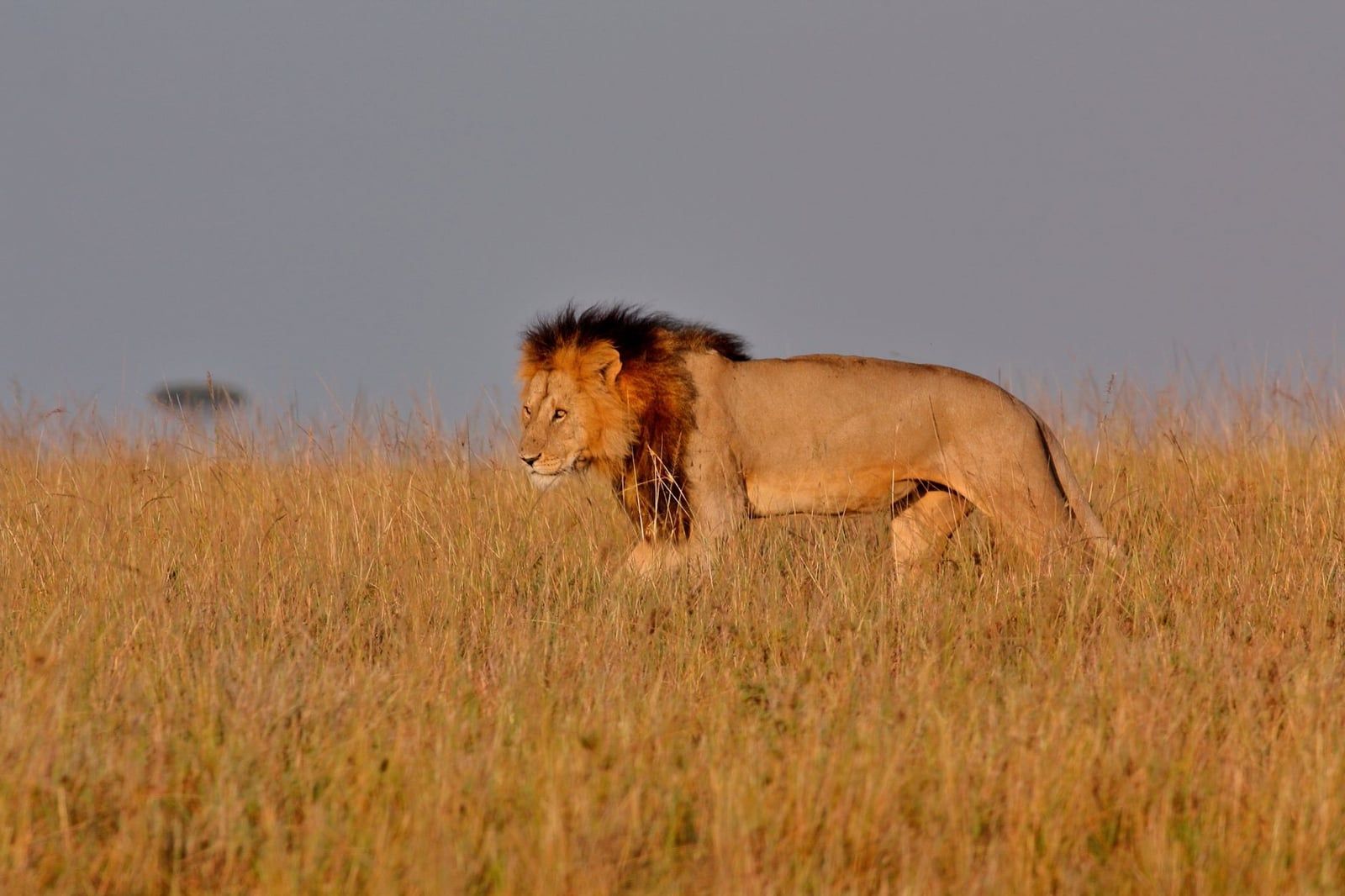
And the resident game never leaves. Lion prides, leopards, cheetahs, elephants, giraffes and hippos hold their territories in every month of the year, so even a long-rains visit delivers Big Five sightings on most drives. The migration is the headline act; the rest of the cast is permanent.
How to Avoid the Crowds: Conservancies, Timing and Camp Choice
The main reserve holds nearly 6,000 beds, including lodges with more than 100 rooms, and peak season fills them. The conservancies — Mara Naboisho, Mara North, Olare Motorogi, Olderkesi and a dozen others bordering the reserve — cap the number of camps and rooms allowed, and cap vehicles at sightings at five. The difference on the ground is stark: five vehicles at a leopard, or fifty.
Conservancies also permit what the reserve bans: night drives, Maasai-guided bush walks and off-road tracking. Conservancy entry runs US$80–120 per adult, and there's a one-way rule that matters for planning: conservancy guests can enter the national reserve for river crossings, but guests based inside the reserve cannot enter the conservancies. So the hybrid play is to sleep in a conservancy and drive into the reserve on crossing days, getting exclusivity and spectacle in one trip.
The calendar offers levers too. Late September through October, early December, and June all cut vehicle numbers sharply without cutting wildlife quality. Avoid July and August if you can — the European school-holiday window is when the 180–200-vehicle crossing jams happen, and when reserve rules on sighting etiquette get stretched thinnest.
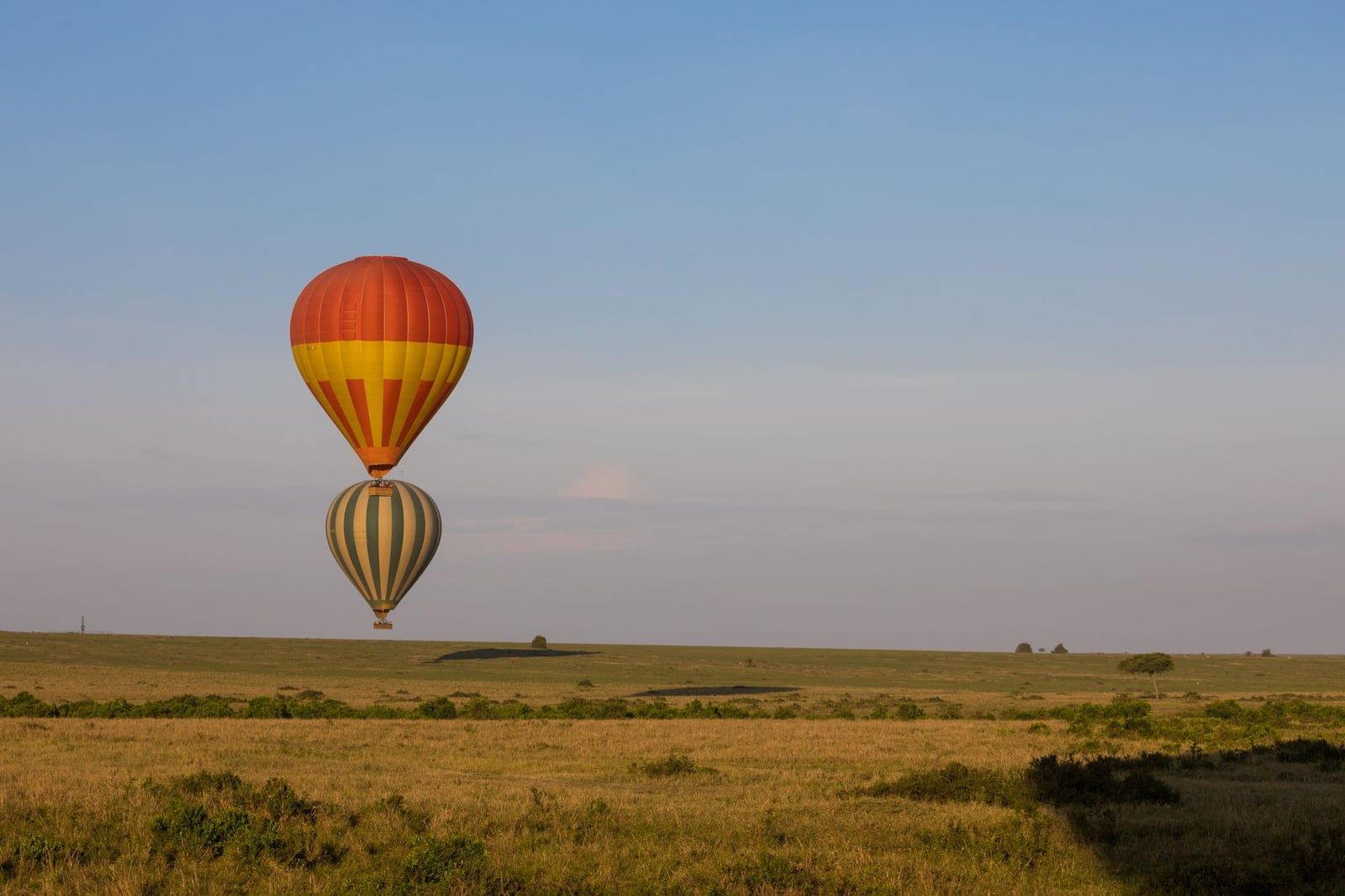
Camp choice is the last lever. Smaller camps with a maximum of six guests per vehicle and experienced resident guides spread the load across sectors instead of funneling everyone to the same sighting; well-run camps coordinate by radio to hold sightings under the five-vehicle cap. And in peak season, two escapes rise above the rest: a dawn hot-air balloon flight over the herds (roughly US$450–600, book one or two days ahead), or a full-day drive with a bush breakfast and picnic lunch that ranges far beyond the minibus circuit.
FAQs
What is the best month to see the Great Migration in the Masai Mara?
July to October is the migration window, with herds typically arriving around mid-July. Mara River crossings peak in August and September, and August is the most reliable single month. Timing shifts with rainfall — herds can arrive as early as June and linger into November — so no month is guaranteed.
Is October a good time to visit the Masai Mara?
Yes. October is warm and mostly dry, much of the migration is still in residence, and crowds thin out once European school holidays end. Just note the high-season park fee of US$200 per adult per day applies through 31 December, not just through the migration peak.
When is the cheapest time to visit the Masai Mara?
Lodge rates are lowest in April–May and again from November to mid-December, and non-resident adult entry fees halve to US$100 per day from 1 January to 30 June (children 9–17 pay US$50 year-round). The April–May trade-offs are rain, muddy roads and some camp closures; November is only marginally pricier and much easier.
What is the worst time to visit the Masai Mara?
April and May, during the long rains. Heavy rain turns the reserve's black cotton soil roads into mud, driving becomes difficult and several camps close for maintenance. It can still work as a fly-in trip — the reserve is nearly empty and rates are at their lowest — but overland travelers should pick another month.
How far in advance should I book a Masai Mara migration safari?
Six to twelve months ahead, and up to a full year for July–October camps near the Mara River, which sell out first. River-crossing season concentrates demand into a few weeks, so the best-located rooms go earliest.
Is the Masai Mara worth visiting outside the migration season?
Yes. The resident wildlife — lions, leopards, elephants, giraffes and hippos — stays year-round, and February–March adds calving and intense predator action with very few visitors. November–April brings the best birding, with over 500 species including nearly 60 raptors, and the conservancies stay exclusive in every month.