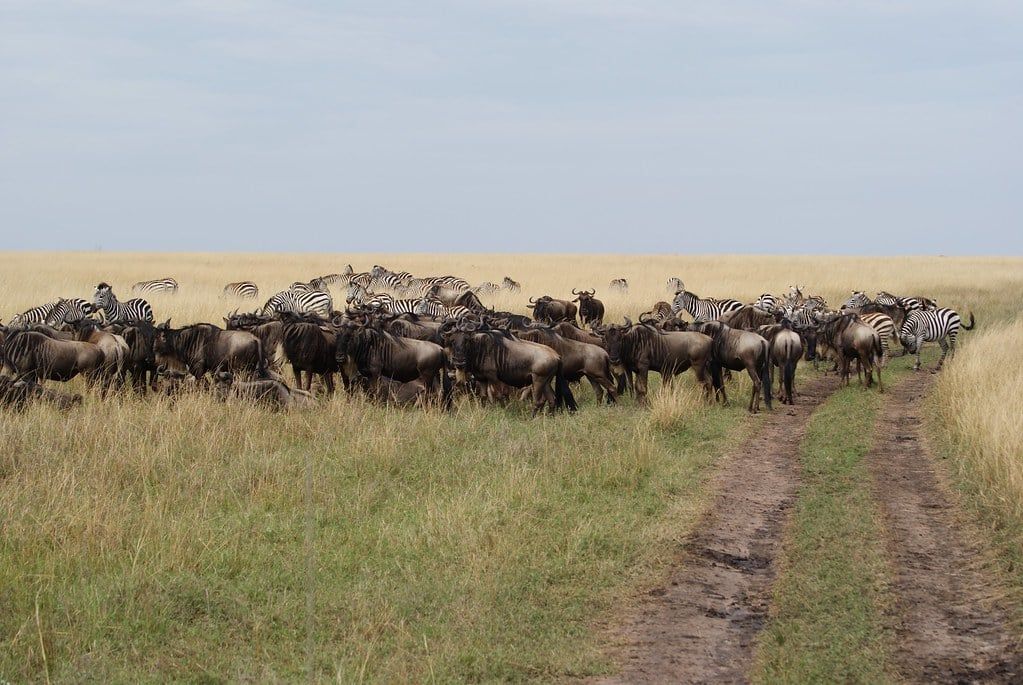
Every year, roughly 1.3 to 1.5 million wildebeest — with about 400,000 zebra, 300,000 gazelles and 12,000 eland tagging along — walk an 800-kilometre clockwise loop through the Serengeti-Mara ecosystem. The Kenyan chapter of that journey is the best-known act in African wildlife: the herds arrive on the Masai Mara's short-grass plains around mid-July and stay into October, and to get there they have to cross the crocodile-filled Mara River.
This guide covers what the migration actually is, when the herds and river crossings happen, what a crossing looks like from a game-drive vehicle, and the planning decisions — trip length, camps, costs — that determine whether you see a crossing or just hear about one over dinner.
What Is the Great Migration in the Masai Mara?
The Great Migration is a continuous, year-round movement of wildebeest, zebra and gazelles around the roughly 40,000-square-mile Serengeti-Mara ecosystem — the Serengeti National Park at its core, bounded by the Masai Mara National Reserve in the north and the Ndutu, Ngorongoro and Maswa areas in the south. There is no start date and no finish line. It is one of the last great mass movements of land animals left on Earth, and it runs on two things only: rain and fresh grass.
Why the Mara, then? Because the reserve's plains are the dry-season reward at the top of the loop. When the southern Serengeti dries out, the nutrient-rich short grasses of the Mara, watered by the Mara and Talek rivers, are where the grazing is. The herds spend several months of the cycle here — concentrated on 1,510 square kilometres of open savannah — which is precisely why this is where the migration gets dense, dramatic and easy to watch. The spectacle earned the reserve its listing among the Seven Natural Wonders of Africa.
The reframe that matters for planning: don't book "the migration date." The Mara chapter is one act of a year-round play, running roughly July to October, and its timing shifts with each year's rains. If you want the fuller picture of how Kenya's side compares with Tanzania's, our Masai Mara vs Serengeti comparison breaks down both halves of the ecosystem.
When Is the Migration in the Masai Mara?
Plan for July to October, with August and September your best months. The herds typically reach the Mara around mid-July, and the Mara River crossings peak from late July through August and into September — that's when the largest numbers are massing at the water. August is the single best month to bet on if a crossing is the whole point of your trip.
Crossings happen in two pulses. The first is the northbound push, late July to September, as herds pour out of the Serengeti into the Mara. The second is the return: from late October into early November, the herds re-cross the river heading south ahead of the short rains. That second pulse is quieter, cheaper and far less talked about — a genuinely good play for travelers who can't do August.
Why do "best month" ranges read so wide? Because the schedule is set by rainfall, and rainfall shifts every year. In some years the herds arrive as early as June; in others they linger into November before leaving. Any operator promising you a crossing on a given week is selling confidence nobody has. Plan around probabilities instead, and sanity-check the current year against live herd-tracker reports and recent rainfall news before you commit to dates.
October deserves a harder look than it gets. The majority of the herds are still grazing the Mara, but peak-season pricing softens, camps free up, and the vehicle scrums thin out. You trade a little crossing certainty for a lot of breathing room — a trade many travelers should take. For the broader month-by-month picture across the whole year, see our best time to visit the Masai Mara guide.
The Mara River Crossing: What You'll Actually See
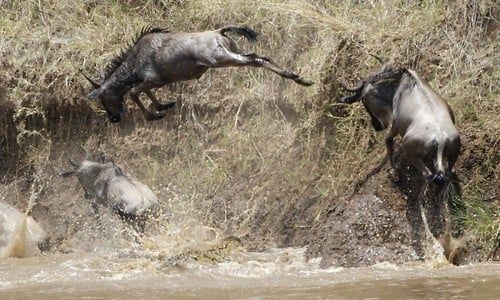
A crossing starts as a waiting game. Hundreds, sometimes thousands, of wildebeest mass on the eroded ledges above the river, snorting and shifting, each unwilling to go first. The hesitation can last minutes or days. Then one animal leaps, and the dam breaks: the herd pours down the bank in a thundering, dust-choked stampede, hits the water swimming, and scrambles up the far side — some of them anyway.
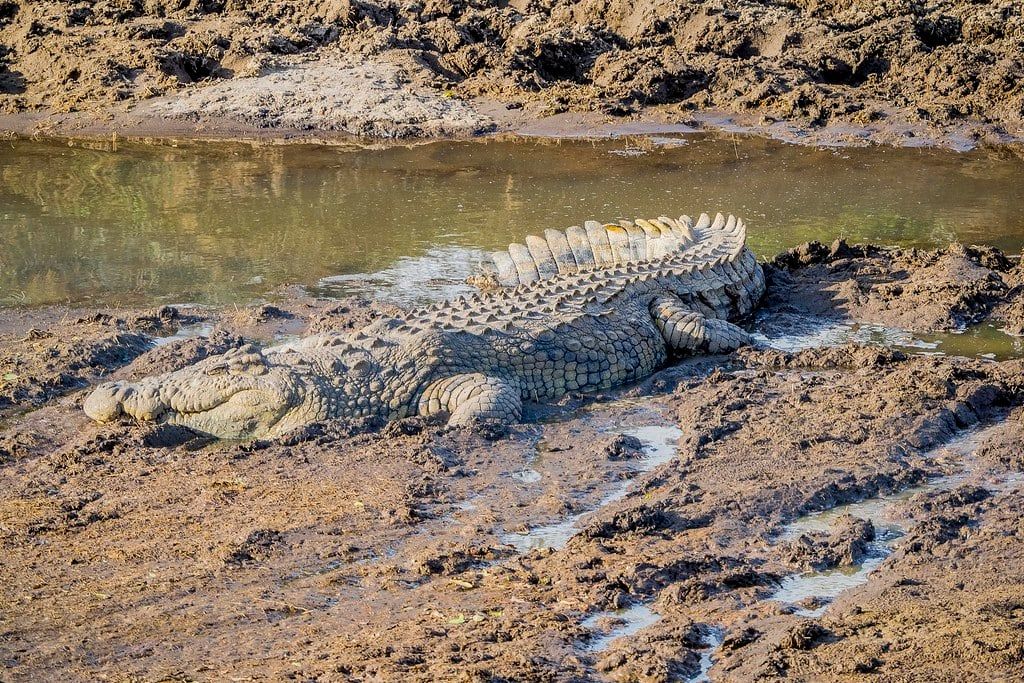
The river takes its toll. More than 3,000 Nile crocodiles live in the Mara, and the bigger ones take adult wildebeest mid-swim. Others drown in the crush, break legs on the rocks, or get taken on the upper banks, where lions, leopards, cheetahs and hyenas work the herds as they regroup. A crossing is not a tidy nature-documentary sequence; it is a loud, chaotic, sometimes hard-to-watch event, and that is exactly what people fly across the world to witness.
Know this before you build an itinerary around it: nobody can predict a crossing. Herds have grazed within sight of the water for days without committing; other days the same herd crosses four times before dusk, or crosses and immediately turns back. Guides judge the signs — the size of the build-up, the wind, the leading animals' line — but a stakeout can still end with the herd wandering off to graze. The correct response is patience: take a full day, pack a bush breakfast and lunch, and station yourself at the point where the herds are massing rather than chasing radio calls.
Where the herds cross
Six named crossing points do most of the work: Kichwa in Mara North Conservancy, Little Governor's, Serena, Lookout, Sand River, and the Purungat Bridge area in the Mara Triangle. The exact spots shift within those sub-localities from year to year depending on where the herds come down, so treat the list as a map of neighborhoods, not coordinates.
Distance is the quiet enemy here. Camps can sit up to an hour's drive from the crossing point the herds are actually using, which is why we keep repeating one piece of advice: stay near the river. A camp an hour away means arriving at a crossing already in progress, or worse, after it's finished.
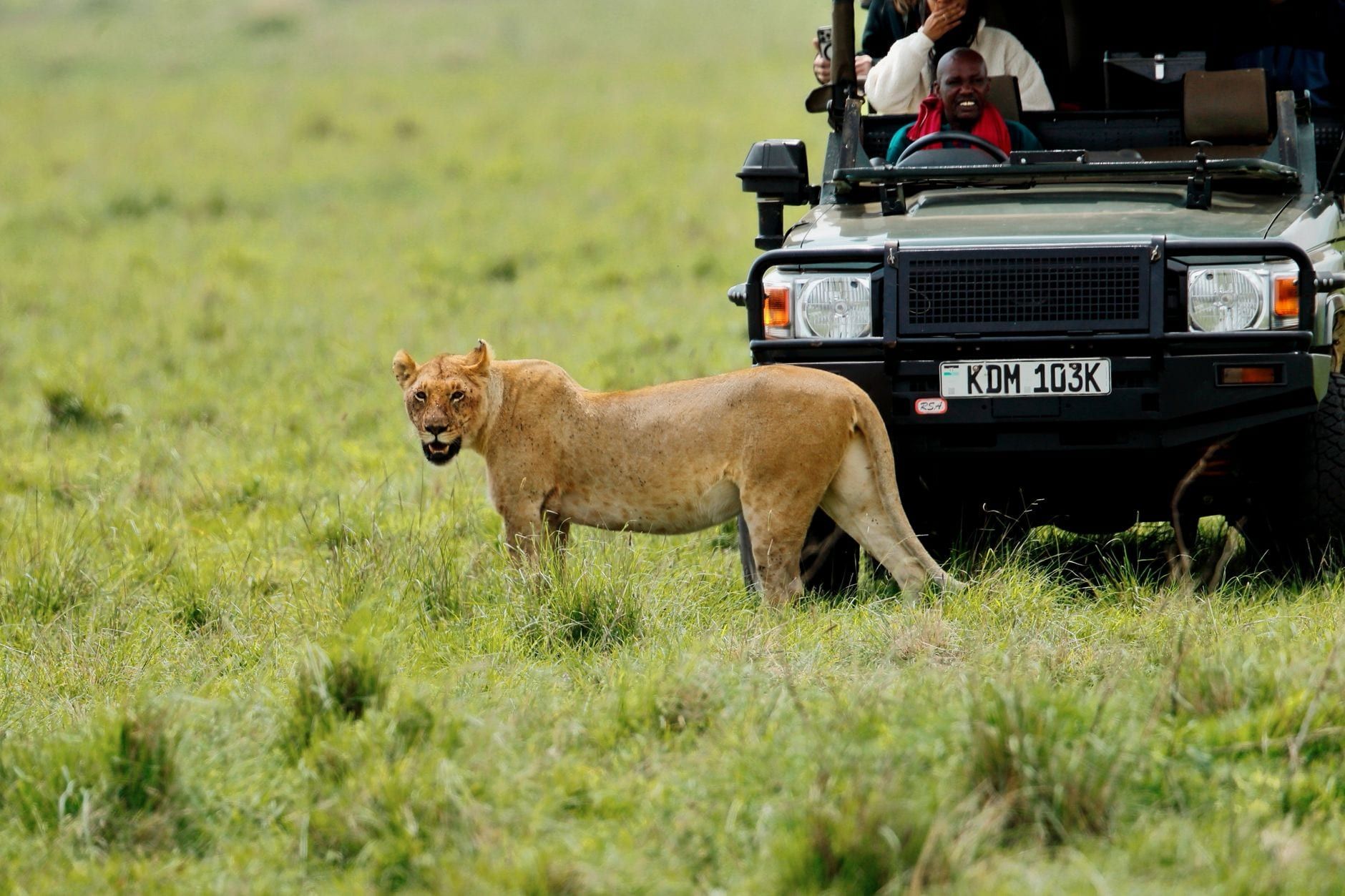
Photographers should expect harsh midday glare — crossings tend to happen late morning through midday, when the sun is directly overhead. Bring lens protection against the dust, expose for the highlights, and don't plan on golden-hour light. One consolation: when more than five vehicles gather at a sighting, rangers cap viewing at ten minutes and hold waiting vehicles 100 metres back, so you'll be moved along whether you're ready or not.
The Full Migration Calendar: Where the Herds Are
The Mara only makes sense as part of the loop. Here is the whole circuit, condensed — where the herds are, what's happening, and who each phase suits. It's also the honest answer if your travel dates don't fit July to October.
| Months | Where the herds are | What's happening | Who it suits |
|---|---|---|---|
| Dec–Mar | Southern Serengeti and Ndutu plains | Calving season: 8,000+ calves born per day, heavy predator action | Predator fans and photographers |
| Apr–May | Western and central Serengeti | Rutting season; columns up to 40 km long move north | Low-season travelers on a budget |
| May–Jun | Grumeti River, western Serengeti | First river crossings — real but water-level dependent | Serengeti-focused itineraries |
| Jul–Sep | Northern Serengeti and Masai Mara | The Mara River crossings; herds spread across the Mara's plains | Crossing hunters — book early |
| Oct | Masai Mara, drifting south | Return re-crossings from late October | Value seekers; fewer crowds |
| Nov–Dec | Southbound via Loliondo and Lobo | Short rains push the herds back to the Serengeti | Travelers already in the region |
Calving season is the strongest alternative to the Mara if you can't travel in the northern summer. Between February and March on the Ndutu plains, over 8,000 wildebeest calves are born each day, and the predators know it — the density of lion, cheetah and hyena action in that window rivals anything the Mara serves up. The Grumeti crossing in May and June is the lesser river event: genuinely worth seeing if you're in the western Serengeti anyway, but far less dramatic than the Mara and dependent on water levels.
By September the herds split — less than half stay in the northern Serengeti while the majority graze the Mara — and from November the short rains drain the Mara's population south through Loliondo and Lobo. That's the pattern, every year, in the same order. What changes annually is the timing, by a couple of weeks either side. If your dates fall outside July–October, a combined Masai Mara and Serengeti safari lets you follow the loop to wherever the herds actually are.
How to Plan Your Migration Safari
Four nights is the minimum for a serious migration attempt. Three is tight — one bad day of indecisive herds and the trip is over before it started. Five or more gives you the buffer that crossing unpredictability demands, and more time on the ground is the single biggest predictor of actually seeing a crossing. This is where a longer itinerary stops being luxury and starts being strategy.
Book six to twelve months ahead for July through September. River-crossing-season camps sell out up to a year in advance, and the inventory that goes first is the inventory you want: tents on or near the river, and family tents or connecting units, which are the scarcest rooms in the ecosystem. Booking early and staying near the water kills two problems at once — availability and the hour-long drive to a crossing point.
Getting there
Fly, if the budget allows. Scheduled flights from Nairobi's Wilson Airport reach Mara airstrips — Keekorok, Mara Serena, Musiara, Olkiombo, Kichwa Tembo among them — in 45 to 60 minutes for roughly US$150–250 one way, with a strict 15-kilogram baggage limit in soft bags. The road alternative from Nairobi runs 225–275 kilometres and takes 5.5 to 6.5 hours depending on your gate; it's cheaper and the route via Narok is tarred, but it eats a safari day. Our tours from Nairobi to the Masai Mara cover both options in detail.
What it costs
Entry fees are the fixed anchor: non-resident adults pay US$200 per day from 1 July to 31 December, against US$100 in the low half of the year — the migration premium is built straight into the gate tariff. Children aged 9–17 pay US$50 year-round; under-8s enter free. Conservancies add US$80–120 per adult per day. On top of that, expect peak-season lodge rates in July–October to run well above the rest of the year.
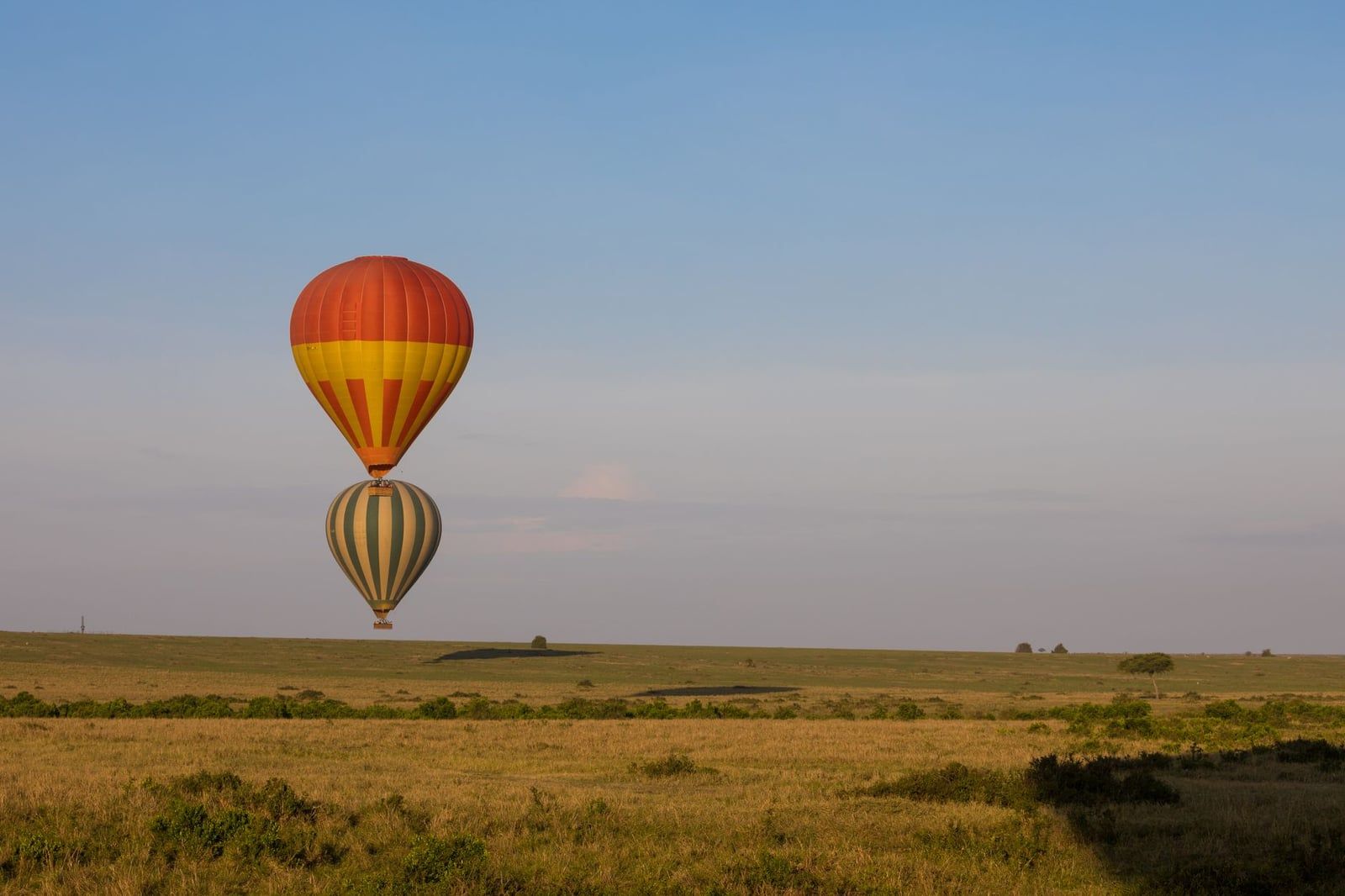
The hot-air balloon is the one big add-on worth budgeting. Shared flights run roughly US$450–550 per adult — priced at the top of that range in the July–October peak — for about an hour aloft at dawn over the herds, followed by a champagne bush breakfast; the whole experience takes four to five hours door to door, and the US$50 landing fee is normally bundled into the ticket. Drifting silently over migration columns as they move is the only way to grasp the scale of a million animals, and no game drive can match it. Book it one or two days ahead, early in your stay, so a weather cancellation can be retried the next morning. See our Masai Mara balloon safari options to compare operators.
Trip shapes that work
The classic shape is a four-night fly-in Mara circuit: two or three nights in the main reserve near the crossing points, plus one or two in a conservancy for night drives and walking safaris. With six or seven days you can add the Rift Valley — Lake Naivasha and Hell's Gate sit conveniently on the Nairobi–Mara road route, or Lake Nakuru with its rhinos and flamingos about five hours north. And if your dates straddle both sides of the loop, a Kenya–Tanzania trip catches the migration wherever it happens to be; the cross-border transfer is a long full day of driving.
Before you book anything, check live herd-tracker reports and recent rainfall updates for the current year, and skim a general Masai Mara safari guide for the basics of vehicles, guides and packing. A month that's wrong in a normal year can be right in yours.
Where to Stay: Reserve vs Conservancies
Where you sleep is the single biggest lever on both crossing access and crowd exposure — bigger than which month you pick. The choice is between the main national reserve (including the Mara Triangle, the quieter northwest sector along the river) and the private conservancies that border it: Mara North, Olare Motorogi and Naboisho are the best known.
| Main reserve & Mara Triangle | Private conservancies (Mara North, Olare Motorogi, Naboisho) | |
|---|---|---|
| Access to river crossings | Direct — crossing points sit inside the reserve | Indirect — crossings reached by day trips into the reserve |
| Vehicle density | Heavy in July–August; up to 200 vehicles at famous crossings | A fraction of the traffic; vehicle limits per sighting |
| Night drives | Not permitted | Allowed — plus guided walking safaris and off-road tracking |
| Daily entry cost | US$200 per adult per day (Jul–Dec) | US$80–120 per adult per day |
| Best for | Crossing hunters who want the river on their doorstep | Travelers prioritizing quiet sightings and varied activities |
The crowding is real, and it deserves honesty. In peak July and August, radio calls pull vehicle pile-ups of 100 or more — up to 200 at the most famous points — to a single crossing. Rangers manage it with the ten-minute, five-vehicle rule, but you will queue. Two fixes work: position yourself in the Mara Triangle, whose Purungat Bridge crossings draw far fewer vehicles than the Narok side, or base in a conservancy and accept a drive to reach the river.
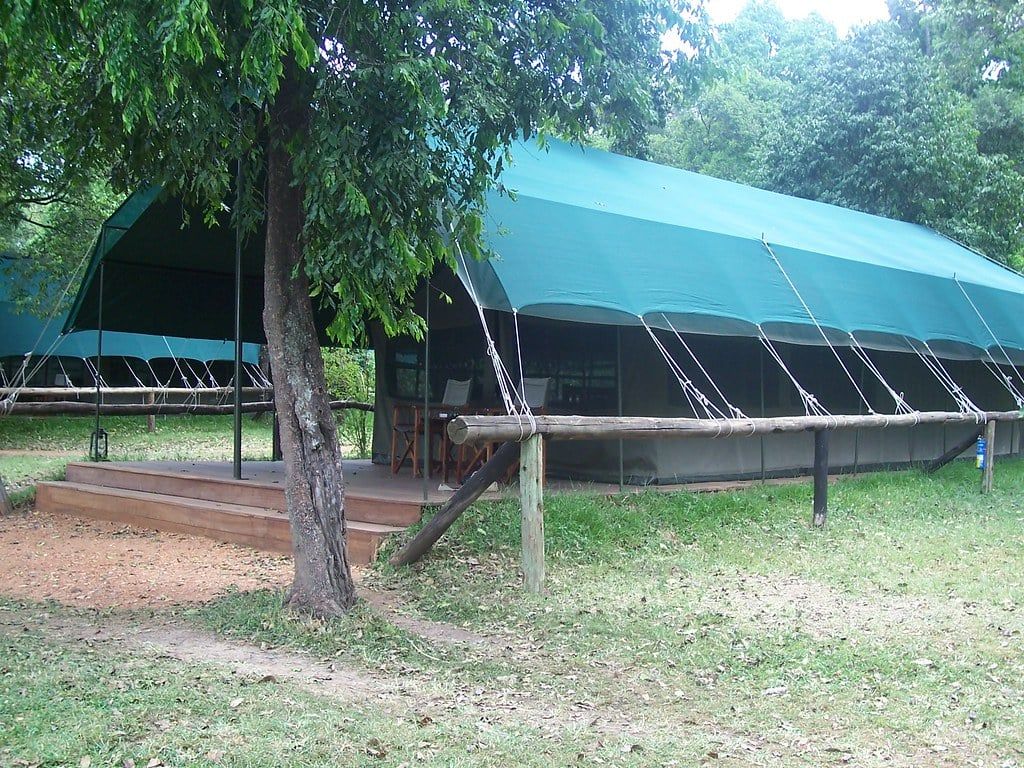
Mobile camps versus permanent lodges is the second decision. Mobile camps move with the herds, trading plumbing and mains power for proximity — the right call if the crossing is everything. Permanent lodges and camps keep you comfortable and connected but sit still, so their value depends entirely on location. Pick by priority: crossing odds first, comfort second, or the reverse. Our Masai Mara lodges guide sorts the options by area and budget.
One thing worth knowing: conservancy fees go directly to Maasai landowners, which is why the community conservancies exist at all — the wildlife on that land pays the rent. Staying in one keeps the migration's northern rangelands viable. If you're weighing a full trip around this, a dedicated migration safari will already have the river-positioned camps sorted.
FAQs: Great Migration in the Masai Mara
When is the best month to see the Great Migration in the Masai Mara?
August and September — the herds are at their densest and crossings most frequent. The full window is July to October, with herds arriving as early as June in some years and mid-July to late August the prime sub-window for the first crossings.
Can the Mara River crossings be predicted?
No. Movement follows the rains, which shift every year. Herds have massed at the river for days without crossing, crossed four times in a single day, or crossed and turned straight back. Buffer days are your only insurance.
How many days do I need for a Masai Mara migration safari?
Four nights minimum; three is tight and five or more gives you a real buffer against unpredictable herd behavior. More days on safari is the single biggest factor in whether you see a crossing.
Where do the wildebeest cross the Mara River?
Named points include Kichwa (Mara North Conservancy), Little Governor's, Serena, Lookout, Sand River and the Purungat Bridge area of the Mara Triangle — but the exact spots shift within those areas each year, so station yourself wherever the herds are massing.
Is the Masai Mara too crowded during the migration?
July and August are the busy months, with vehicle pile-ups of 100-plus at popular crossings. Stay in the Mara Triangle or a private conservancy, or travel in October for herds with thinner crowds and softer prices.
How much does a balloon safari during the migration cost?
Shared balloon flights run roughly US$450–550 per adult — higher in the July–October peak — typically including a one-hour dawn flight and champagne bush breakfast. Reserve entry is US$200 per adult per day in that season; the US$50 balloon landing fee is usually bundled into the flight price.
Do the wildebeest stay in the Masai Mara year-round?
No. The herds head back to the Serengeti around November with the short rains. The Mara's resident big cats, elephants and plains game make it rewarding year-round, but the migration itself is a seasonal tenant.
Planning a Migration Trip: The Short Version
Pick your month by the trade-off you'd rather live with. August and September buy you the best crossing odds at peak prices and peak crowds; October keeps most of the herds while shedding both; February and March swap the Mara entirely for calving-season chaos on the Serengeti's Ndutu plains. Whichever you choose, three rules do most of the work: book early — six to twelve months out for river season — stay near the river or in a conservancy, and give yourself four to five nights so luck has time to find you. The migration is the one wildlife event on Earth where time, position and patience are the whole game.