About All ToursSerengeti Safari ToursFrom Nairobi ToursSafari ToursMigration Safari ToursJeep Tours3 Day ToursLuxury ToursHot Air Balloon Tours Directions Hours & Fees Guides
Find Tours 
Explore two of Africa's most iconic wildlife destinations on guided Masai Mara and Serengeti safari tours. Choose between a 4-day jeep adventure through Tarangire, Serengeti and Ngorongoro, or a 7-day high-end fly-in safari connecting the Serengeti and Masai Mara.
 Free Cancellation
4-day guided safari covering Tarangire, nearly 2 days in Serengeti, and a full day in Ngorongoro Crater.
 New
Seven-day high-end fly-in safari linking Serengeti and Masai Mara, with Land Cruiser game drives and full board.
Read what travelers share about their experience visiting Masai Mara — from practical tips to personal highlights.
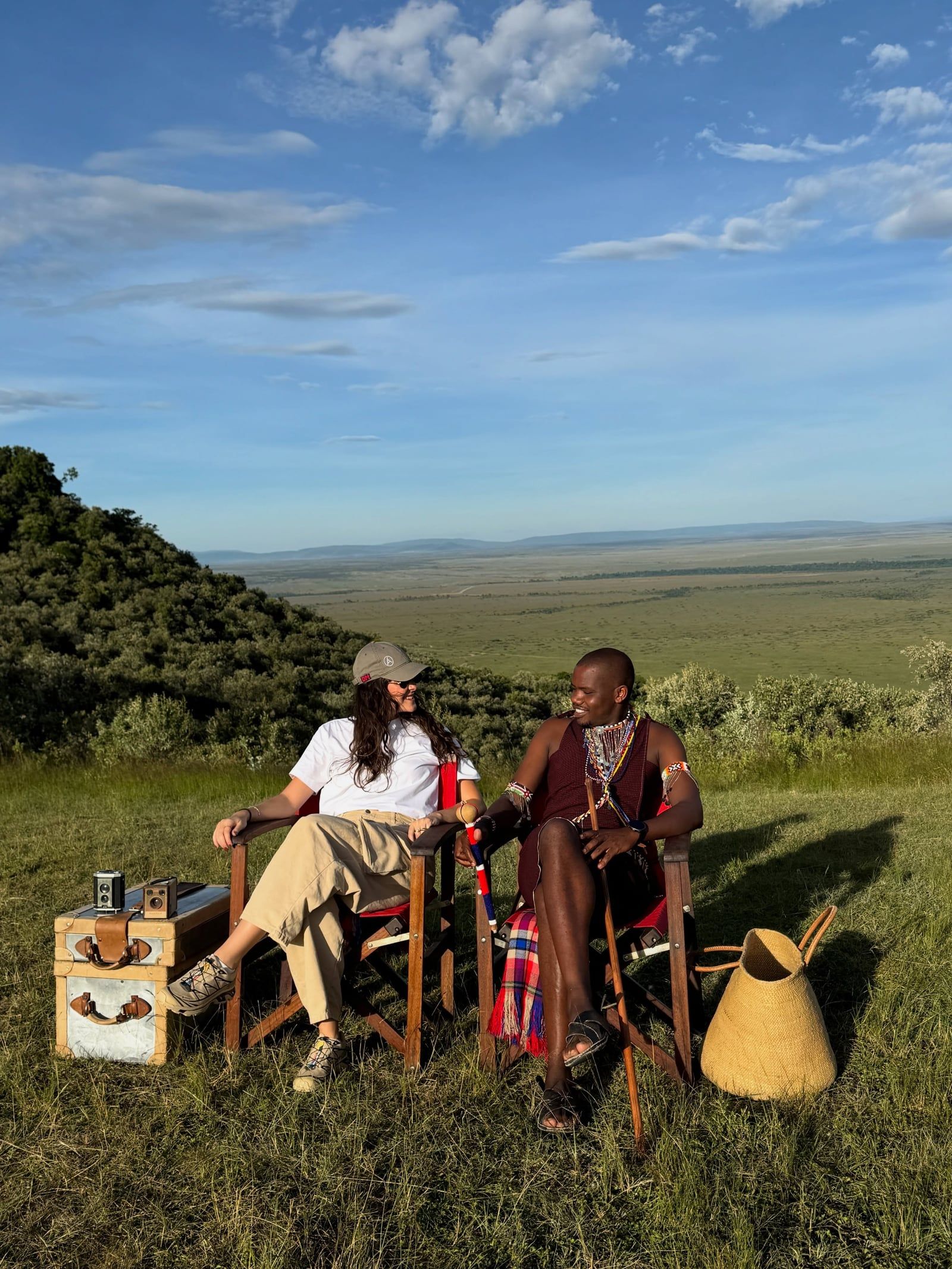
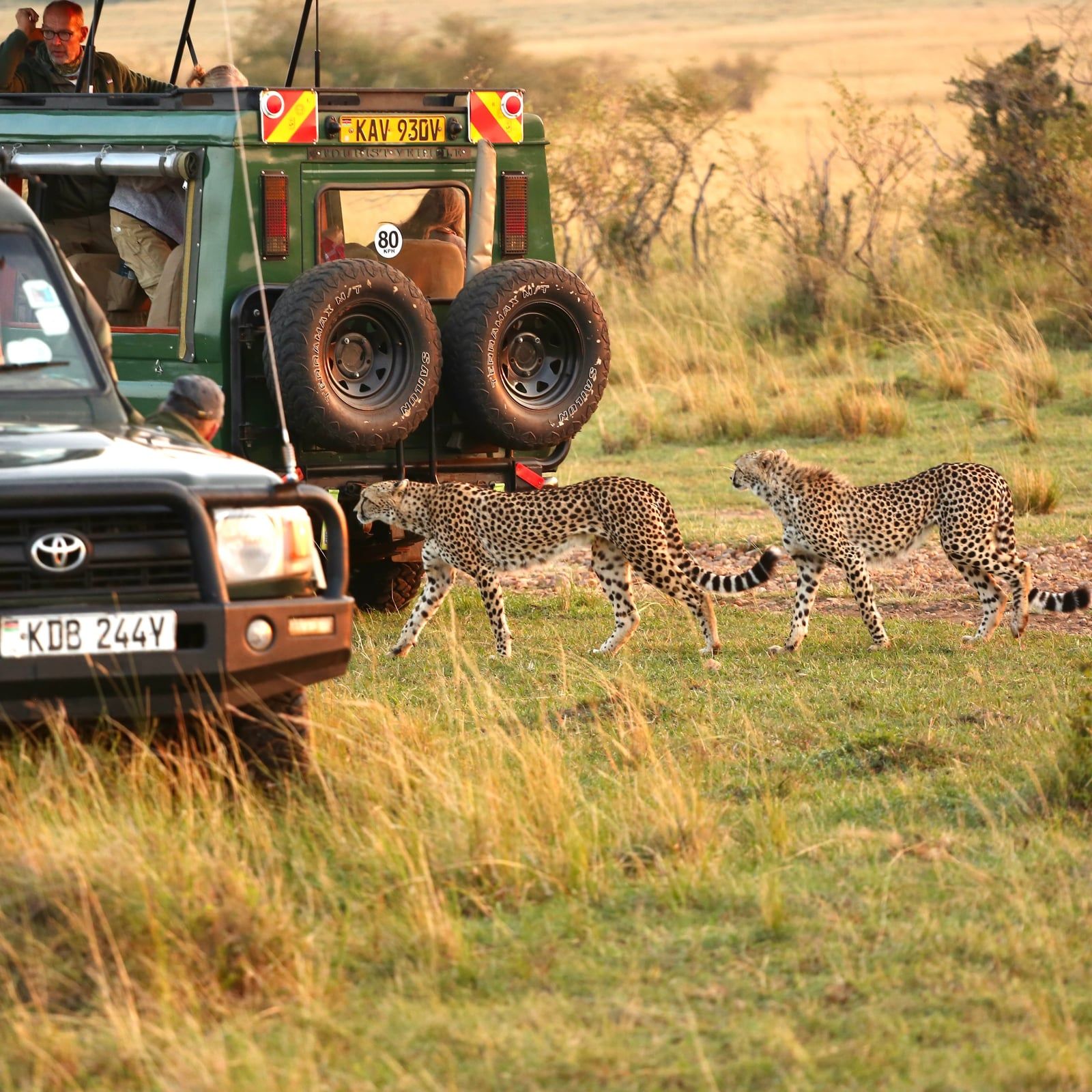
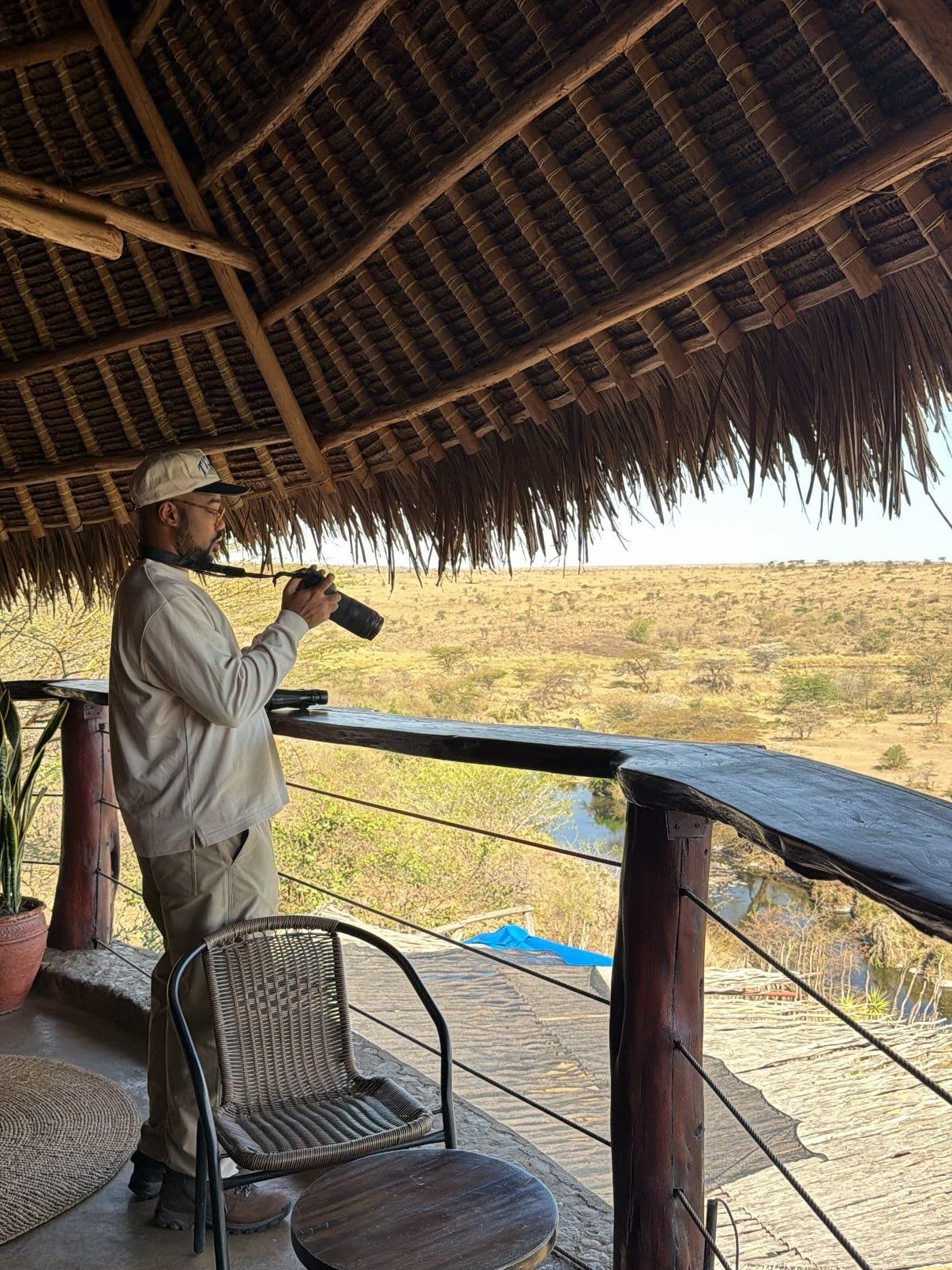
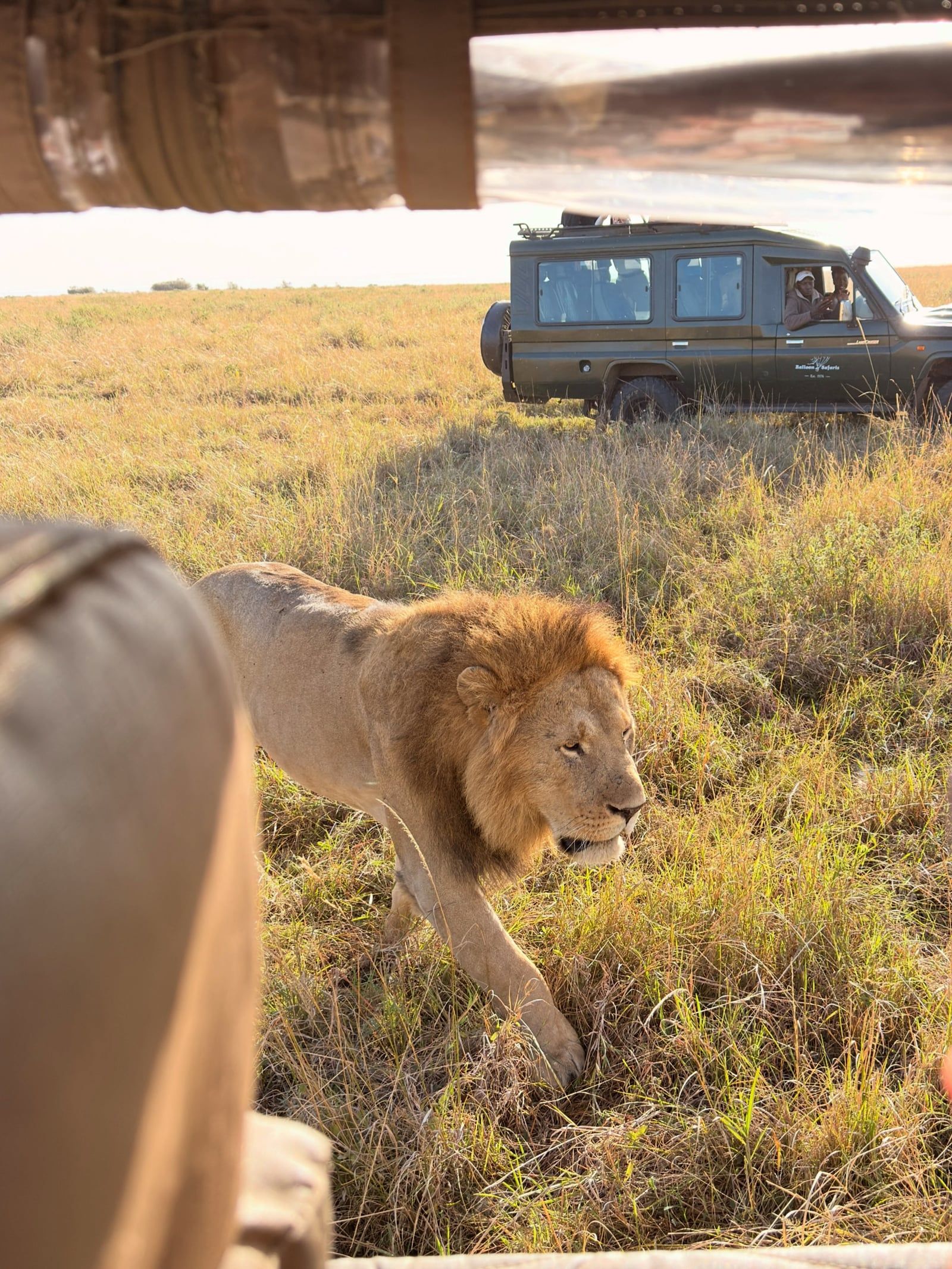
A Masai Mara and Serengeti safari puts you inside the world's largest terrestrial animal movement: about 1.4 million wildebeest, 400,000 zebra and some 300,000 gazelles circling the two parks on an 800 km annual route. Most tours run 4-7 days by Land Cruiser or safari jeep, with dawn game drives, nights at campsites inside the parks, and all meals cooked and served by your crew. Expect long, bumpy drives between parks — the Serengeti-Mara border transfer alone takes a full day.
Between mid-July and October the herds surge across the Mara River, braving strong currents and waiting crocodiles near the Purungat Bridge area of the Mara Triangle. Crossings peak in August-September and draw big crowds — when more than five vehicles gather, viewing is capped at 10 minutes. Arrive at the river early.
The open grassland around Musiara, Talek and Sekenani produces near-guaranteed lion, leopard and cheetah sightings, with close to 90 mammal species in the reserve overall. Predators are most active in the cool hours after the 6 AM gate opening, so dawn drives are the ones to prioritize.
Flights lift off before sunrise and drift 1-1.5 hours over the herds, landing to a champagne bush breakfast — the full experience runs 4-5 hours. Costs run roughly US$450-600 per person plus a US$50 landing fee, usually included in the price. Book 1-2 days ahead; wind cancellations retry the next morning.
Multi-park itineraries spend a full day touring the crater floor, an intact volcanic caldera packed with resident wildlife. It's a standard stop on the 4-day Tarangire-Serengeti-Ngorongoro circuit, usually the final day before the return to Arusha.
A guided visit near the reserve gates (US$30-50 per person) introduces Maasai homesteads, jumping dances and beadwork — the culture that named the Mara ('spotted' in the Maa language, for the acacia-dotted plains). Always ask before photographing anyone.
Private conservancies like Mara North, Naboisho and Olare Motorogi (US$80-120 entry) allow night drives, walking safaris and controlled off-road tracking — all forbidden in the main reserve. Vehicle traffic is a fraction of the Narok side. Split 2-3 nights in the reserve with 1-2 in a conservancy.
Both parks sit in two countries with different fees, seasons and rules, so the details of your booking matter more than on most trips. Here's what to pin down before you pay.
Road safaris by Land Cruiser or safari jeep run 4-7 days and bundle transport, game drives, meals and camping or lodge nights — the 4-day Tarangire-Serengeti-Ngorongoro tour is the classic starter. Fly-in safaris connect the two parks by light aircraft and start around US$9,475 for 7 days. Budget group camping trips start near US$645 per person.
July-September migration season fills the best camps 6-12 months ahead, and the fly-in departures are limited by light-aircraft seats. Book 6-12 months out for peak season; December-February needs far less lead time. Balloon flights can be booked 1-2 days ahead through your camp.
Entry fees are usually extra or bundled per package: Masai Mara charges US$100/day (Jan-Jun) and US$200/day (Jul-Dec) for non-resident adults, while conservancies charge US$80-120. Check whether your tour's price includes these — on a 4-day trip the difference is US$400-800 per person. Tanzanian park fees for Serengeti and Ngorongoro are typically billed separately too.
The Mara-Serengeti drive via the Isebania-Sirari border takes about 8 hours — a full-day transfer, sometimes with the Ngorongoro highlands en route. Passports need validity and both countries' visas. The 7-day fly-in itinerary avoids the drive entirely with bush flights between parks.
Night game drives and walking safaris are only legal in the conservancies, never inside the main Mara reserve. Balloon flights (US$450-600) and Maasai village visits (US$30-50) book as add-ons. Drones are prohibited everywhere without written permits from reserve management and the Kenya Civil Aviation Authority.
The 4-day Tanzania jeep tour is fully wheelchair accessible with adapted transport and surfaces. In the Mara itself, wildlife viewing happens from the vehicle, and operators can arrange 4x4s with ramps and secured elevated seating; Karen Blixen Camp in Mara North has ramps and grab-bar bathrooms. Book through an accessible-safari operator well ahead.
The 4-day Tarangire-Serengeti-Ngorongoro tour refunds in full if you cancel at least 24 hours before departure. The 7-day fly-in safari requires 3 full days' notice for any refund — cancel inside that window and you get 0% back. Migration-season bookings should be made with the longer window in mind.
Children under 8 enter the Mara free and 9-17s pay US$50 year-round; request child car seats in advance since they're rarely standard. The 4-day tour takes all fitness levels and infants on laps; the fly-in asks for moderate fitness and warns against booking with cardiovascular problems.
Swipe to see more
| 4-Day Guided Group Tour (Tarangire, Serengeti & Ngorongoro) | 7-Day Serengeti-Masai Mara Fly-in Safari (High End) | Budget Road Safari (Mara + Nakuru + Hell's Gate) | Mara Conservancy Safari | Day Trip from Nairobi | |
|---|---|---|---|---|---|
| Duration | 96 hours / 4 days | 168 hours / 7 days | 5 days | 2-4 days | 1 day |
| Best for | First-time safari-goers wanting Tanzania's three headline parks in one loop | Travelers combining both parks with maximum time on game drives and minimal road time | Budget travelers basing themselves in Kenya | Photographers and repeat visitors who want night drives and walking safaris without crowds | Travelers short on time who can't overnight |
| Includes | Professional guide, park-visit jeep with free WiFi, all taxes, breakfast, lunch and dinner; 1 day Tarangire, ~2 days Serengeti, 1 day Ngorongoro Crater; wheelchair accessible; guides in English, German, Italian, French or Spanish | Land Cruiser game drives with professional English-speaking driver-guide, accommodation per itinerary, all meals, drinking water; hotel-lobby pickup in Arusha | 4x4 transport, game drives, accommodation and meals in one package | Game drives plus activities illegal in the main reserve: night drives, guided walks, off-road tracking | Round-trip road or fly-in transport and one set of game drives |
| Price from | US$1,800 per person (5.0 rating from 25 reviews); free cancellation up to 24 hours before | US$9,475 per person; full refund only if cancelled 3+ full days before departure | US$645-747 per person, park fees (US$100-200/day) usually extra | Conservancy entry US$80-120/day on top of tour price | Roughly US$150-250 each way by air; 5.5-6 hours' driving each way by road |
Swipe to see more
All Masai Mara gates — Sekenani, Talek, Oloolaimutia, Musiara and Oloololo (Sand River Gate is currently closed) — open at 6:00 AM and close at 6:00 PM daily, year-round. Entry tickets are valid for 12 hours.
Since 1 July 2023, guests staying outside the reserve pay a daily fee per daylight entry. If you're departing by road, you must exit the reserve by 10:00 AM — or reach your airstrip by 10:00 AM if flying out — otherwise an additional full day's fee applies (US$100-200).
Dawn game drives right at the 6 AM opening deliver the best predator sightings; animals go quiet in the midday heat. Plan your final morning accordingly, since late departures cost real money.
Flying is fastest: 45-60 minutes from Nairobi Wilson Airport to airstrips including Keekorok, Mara Serena, Musiara, Olkiombo and Kichwa Tembo, at US$150-250 one-way. Airkenya, Safarilink, Mombasa Air Safari and Fly ALS run scheduled services with departures around 07:00, 10:30 and 14:00. Baggage limit is a strict 15 kg per person in soft-sided bags; check in 60 minutes early.
Driving takes 5.5-6.5 hours from Nairobi (225-275 km depending on gate), tarred all the way to Sekenani via Narok town. Allow the longer end for Musiara and Oloololo gates.
Budget option: bus from Nairobi CBD to Narok (KES 900-1,300 total with the final matatu, 6-8 hours). Matatus to Sekenani run until about 1:00 PM, so leave Nairobi early. Self-drivers should reach the gate before 3:00 PM to make camp in daylight.
Coming from the Serengeti side, the Isebania-Sirari border crossing is about 350 km / 8 hours — a full-day transfer.
July to October is the prime window: the migration herds arrive around mid-July and Mara River crossings peak in August-September, while dry weather concentrates wildlife at permanent water. The trade-offs are US$200/day entry fees, the year's biggest crowds and camps that fill 6-12 months out.
December-February is the smart alternative — similar wildlife quality, US$100/day fees, far fewer vehicles.
Avoid April and May if you can: the long rains turn murram roads to mud, 4x4s become mandatory, photography light is poor and some camps close. November's short rains bring similar but milder disruption, and March can turn wet as the rains build. Green-season rates are the year's cheapest, if you can work with the weather.
The Mara is not uniformly wheelchair accessible — tracks are rough and most camps weren't built with access in mind. Game drives are the most adaptable activity since all wildlife viewing happens from the vehicle.
Camping inside the reserve costs US$30 per night (public) or US$40 (private) for non-resident adults, booked via marabookings.co.ke. Campers at private campsites must hire two rangers for night security at KES 4,000.
Narok town (85-100 km from Sekenani, 2-3 hours) is the last reliable stop for fuel, banks/ATMs and supermarkets, plus a Maasai market and the reserve's ticketing office for special rates.
Payment: Mara Triangle gates (Purungat Bridge and Oloololo) are cashless only — Visa/Mastercard or M-Pesa. Other gates accept cash in USD or KES, and you can pre-pay via KAPS at the KATO offices on Longonot Road, Upper Hill, Nairobi, to skip gate queues.
Pack for the temperature swing: 10-14°C at dawn in an open vehicle, 25-28°C by midday. Bring a fleece, windbreaker and beanie for early starts.
Never leave your vehicle except at designated points, and never feed wildlife. Rangers impose on-the-spot fines:
Unpaid fines can bring a six-month ban from the Mara Triangle. When more than five vehicles gather at a sighting, viewing is limited to 10 minutes and waiting vehicles must keep 100 m back — famous crossings can draw up to 200 vehicles.
Drones are strictly prohibited without written permission from reserve management and the Kenya Civil Aviation Authority; unauthorized flying risks confiscation, fines, arrest or deportation. Night game drives are banned inside the main reserve (conservancies only). Carry your passport — proof of residence is checked for citizen and resident rates.
A 4-day Tanzania road safari covering Tarangire, Serengeti and Ngorongoro starts at US$1,800 per person including meals and guide. Kenya road safaris run from US$645-747 for a 5-day circuit, while a 7-day high-end Serengeti-Masai Mara fly-in safari costs US$9,475. Park fees are usually extra: US$100-200 per day in the Mara depending on season.
Book 6-12 months ahead for July-September, when the herds are in the Mara and the best camps fill first. The herds typically arrive mid-July and river crossings peak in August-September. December-February offers similar wildlife quality with US$100/day fees and much more availability.
Usually not, or only per package — always check before paying. Masai Mara entry is US$100/day (1 Jan-30 Jun) or US$200/day (1 Jul-31 Dec) for non-resident adults, with children 9-17 at US$50 and under-8s free. On a 4-day trip that's US$400-800 per person in Mara fees alone, plus separate Tanzanian park fees for the Serengeti and Ngorongoro.
Yes, either by road or air. Driving between them via the Isebania-Sirari border takes about 8 hours — a full-day transfer. The 7-day fly-in safari connects the two parks by light aircraft, starting from US$9,475 with pickup in Arusha.
Four days covers Tanzania's three headline parks (Tarangire, Serengeti, Ngorongoro) at a fast pace. For both countries, plan 7 days — like the fly-in itinerary — or split a Kenya trip into 3-4 Mara days plus optional conservancy nights. First-timers with a week should pick one country and slow down.
It varies sharply by tour: the 4-day Tarangire-Serengeti-Ngorongoro tour gives a full refund up to 24 hours before departure, while the 7-day fly-in safari requires 3 full days' notice — cancel inside that and you get nothing back. Given flights and camps, travel insurance is worth having on the longer itineraries.
Yes, both the Mara and the Serengeti lie in malaria-risk zones year-round. See a travel clinic 4-6 weeks before departure about prophylaxis, use DEET repellent, wear long sleeves at dusk and sleep under a net where provided.
Yes — children under 8 enter the Mara free and 9-17s pay US$50/day year-round. The 4-day Tanzania tour accepts infants on laps and provides specialized infant seats, and is suitable for all fitness levels. Book a private vehicle if you can, so you can shorten drives and return to camp when the kids flag; keep game drives to 3-4 hours for younger ones.
At US$450-600 per person plus a US$50 landing fee (usually bundled), it's a big add-on — but the 1-1.5 hour dawn flight over the herds with a champagne bush breakfast is the one splurge most travelers don't regret. Book 1-2 days ahead and schedule it early in your stay, since wind or rain cancellations typically retry the following morning.
The reserve is public land (US$100-200/day) with the famous migration crossings but strict rules: no night drives, no walking safaris, no off-road driving. Conservancies like Mara North, Naboisho and Olare Motorogi (US$80-120/day) allow all three, with a fraction of the vehicles. The strongest itinerary splits 2-3 nights in the reserve with 1-2 in a conservancy.
Browse verified tours with free cancellation and instant confirmation.
Find Tours


Four days by safari jeep: one full day in Tarangire National Park, close to two days in the Serengeti, and one full day touring the Ngorongoro Crater. An evening game drive through central Serengeti ends with the sunset, followed by dinner and an overnight at Seronera campsite inside the park. You'll catch both sunrise and sunset in the Serengeti and inside the crater. A professional guide drives and narrates throughout, and the jeep has free WiFi for the entire trip. All three daily meals are included — breakfast, lunch, and dinner — along with all taxes, fees, handling charges, and airport/departure tax. Guides are available in English, German, Italian, French, or Spanish. Cancel at least 24 hours before departure for a full refund.
For a full refund, cancel at least 24 hours before the scheduled departure time.
German, English, Italian, French, Spanish


This is a seven-day (168-hour) fly-in safari connecting the Serengeti and Masai Mara, run by Gracepatt Ecotours Kenya at the high end of their range. Game drives run in a Land Cruiser with a professional English-speaking driver guide. Pickup is at your hotel lobby within Arusha, so it works best if you're starting from the Tanzanian side. Accommodation follows the itinerary, and meals are covered — breakfast, lunch, and dinner, plus bottled drinking water. Cancellation terms are strict: a full refund only if you cancel at least three full days before departure; cancel inside that window and you get nothing back.
If you cancel at least 3 full day(s) before the scheduled departure time, you will receive a full refund.<br>If you cancel within 3 day(s) of the scheduled departure, you will receive a 0% refund.
English