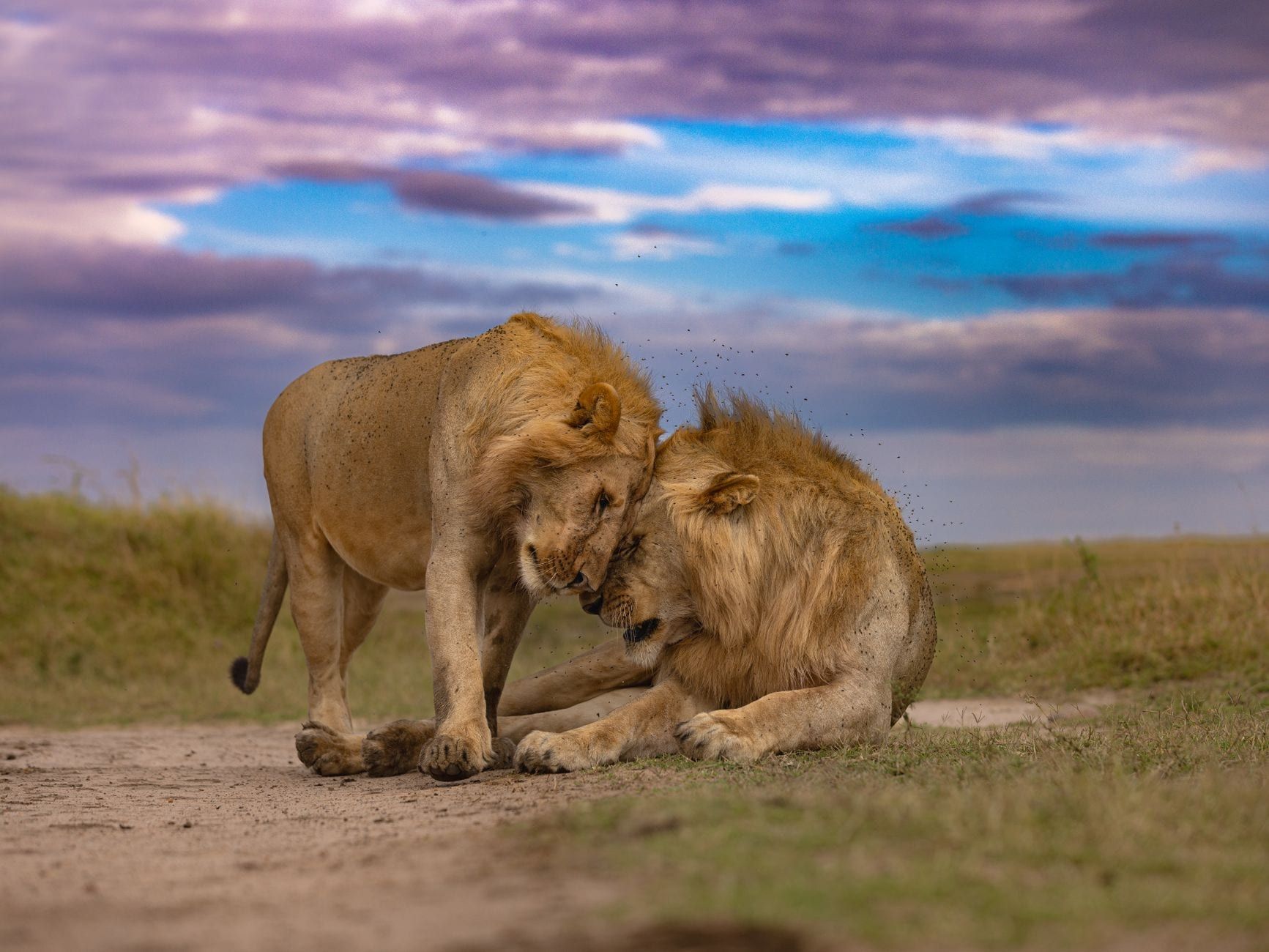
The Masai Mara squeezes close to 90 mammal species, roughly 480 lions and — between July and October — more than a million migrating wildebeest into 1,510 km² of open savannah in southwest Kenya. It's the northern, unfenced half of the Serengeti–Mara ecosystem, an hour's flight or a six-hour drive from Nairobi. Most first-time visitors book a package; the decisions that actually shape the trip are when you go, which zone you sleep in, and how the fee calendar hits your budget.
Why the Masai Mara Is Africa's Greatest Safari Playground
The reserve sits in Narok County, hard against the Tanzanian border, and merges into the Serengeti with no fence in between. Altitude runs 1,500–2,170 m, from riverine forest along the Mara and Talek rivers up to the Oloololo Escarpment in the northwest. "Mara" means "spotted" in Maa — the acacias and lone kopjes scattered across the grass gave it the name.
The numbers explain the obsession. This corner of the continent covers about 0.1% of Africa's land surface yet supports an estimated 40% of its large mammal species. Birders have recorded more than 500 species, including 53 raptors, in a designated Important Bird Area — and even non-birders will care about the martial eagles and vultures working the herds.
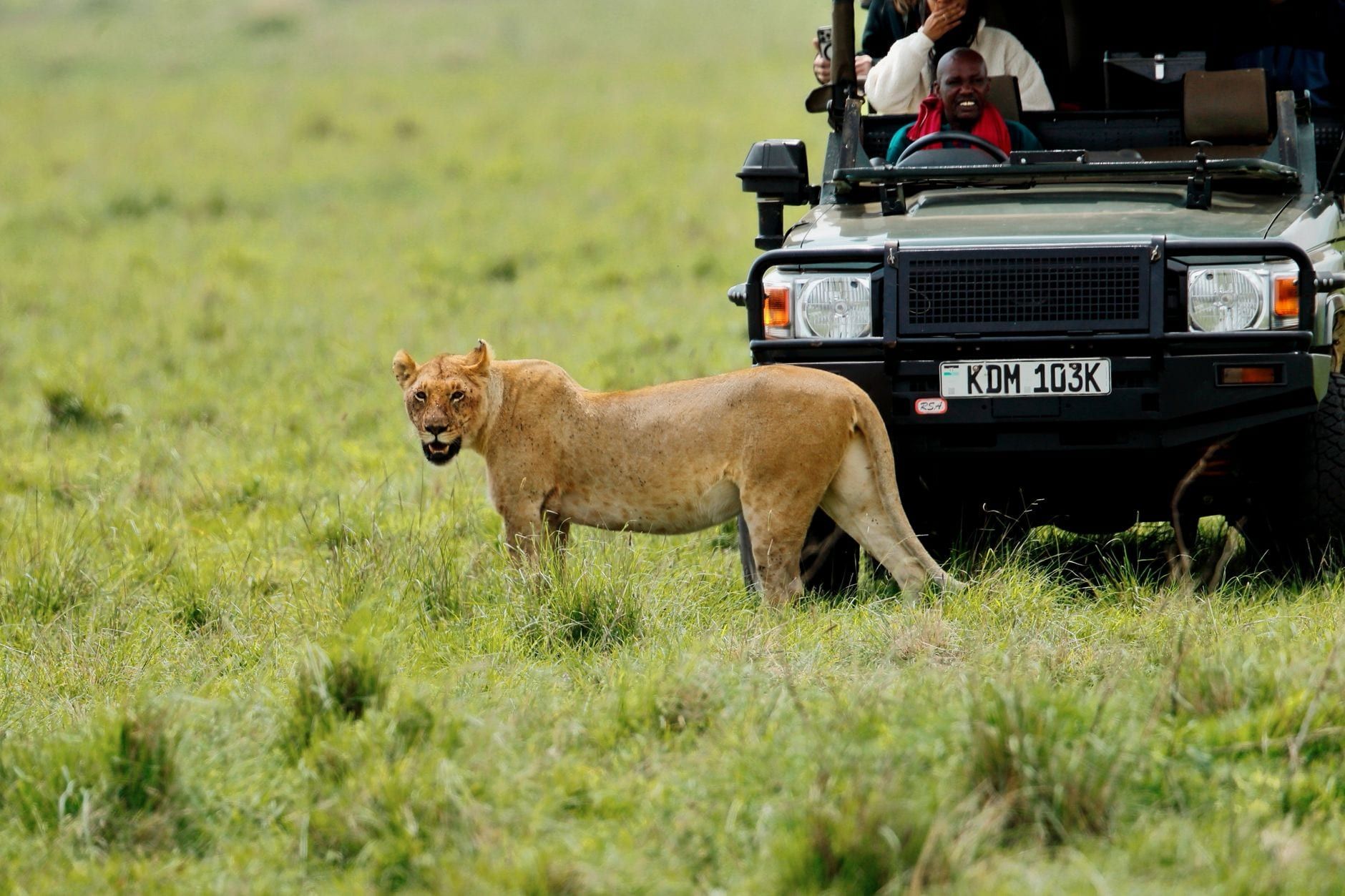
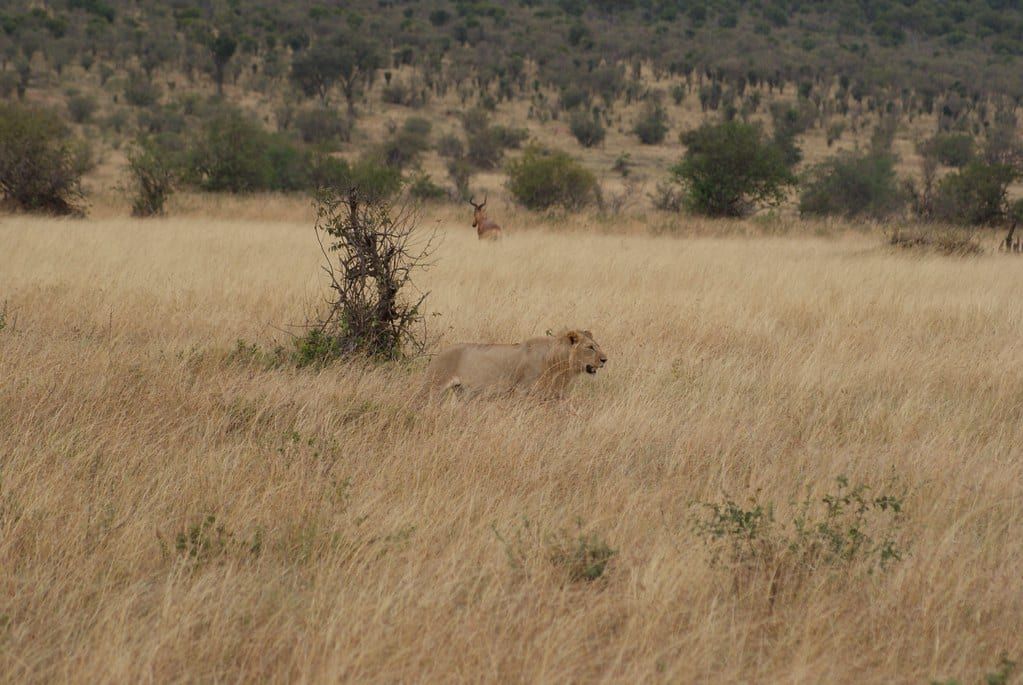
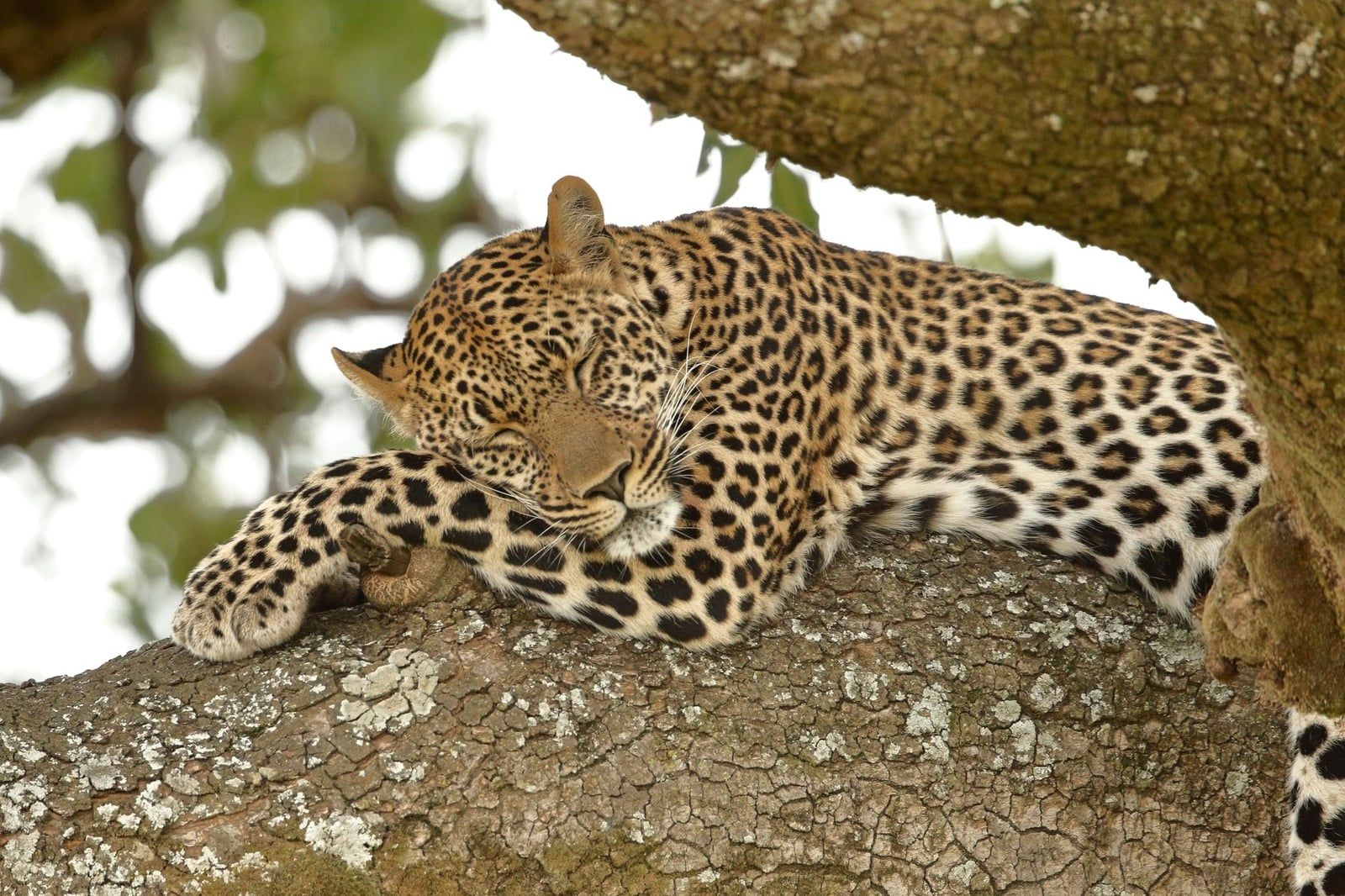
Big cats are the headline act. A 2023 survey counted about 480 lions over a year old across the reserve and surrounding conservancies; leopards here are habituated to vehicles, and the open grass around the Musiara and Talek sectors makes cheetah hunts unusually visible. The BBC filmed Big Cat Diary here for years for a reason.
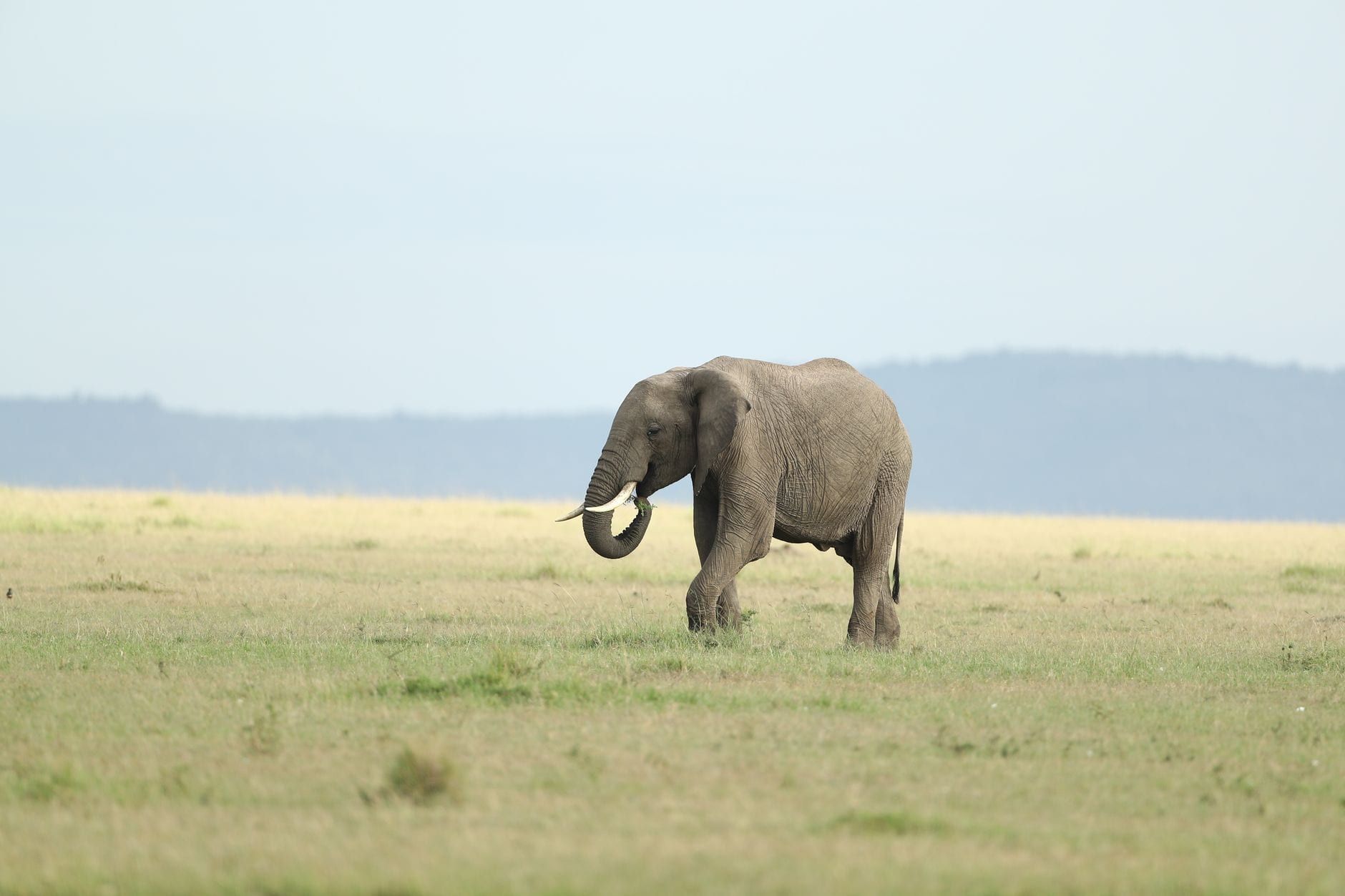
Of the Big Five, lion, leopard, elephant and buffalo are near-certain on a three-night stay. Rhino are the holdout: they roam mainly in the Mara Triangle, in small numbers, and most visitors leave without one. The compensation is visibility. Flat, open terrain means you watch action at distances that bushier parks can't match, and predators hunt across short grass you can read like a page.
The Great Wildebeest Migration: What to Know Before You Book
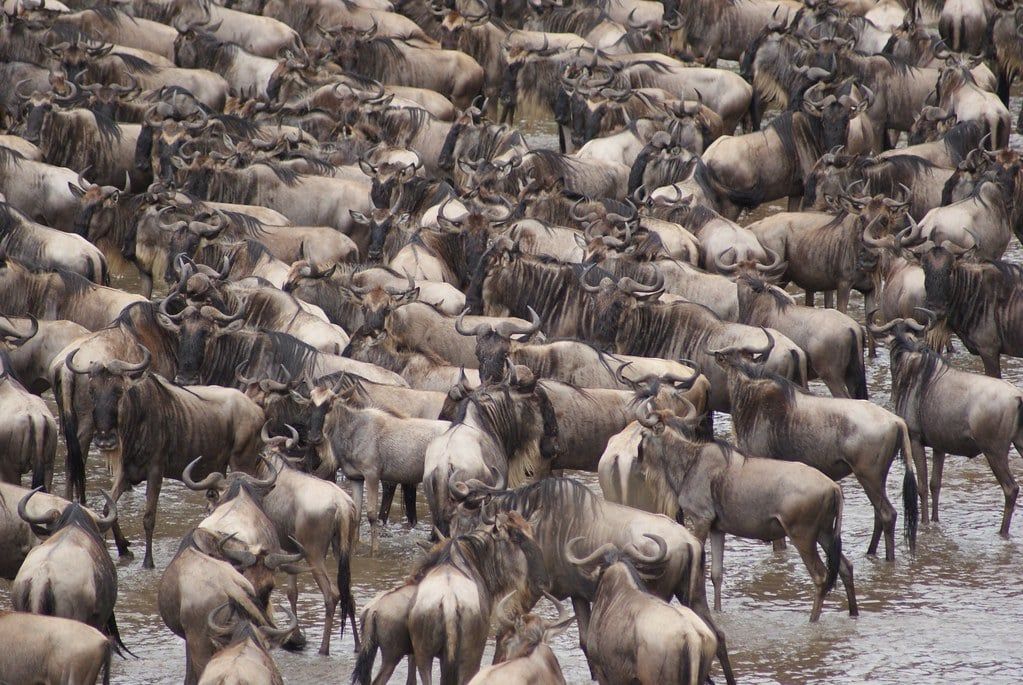
Between 1.3 and 1.5 million wildebeest, some 400,000 zebra and around 300,000 gazelles circle the Serengeti–Mara ecosystem on an 800 km annual loop. They typically push into the Mara in mid-July and graze until October, when they turn south again. August and September are the months when the famous Mara River crossings are most likely.
What a crossing actually looks like
Thousands of animals mass on one bank, sometimes for hours, until one leaps and the rest pour down the bank and across the water. Crocodiles wait in the current. Drowned or taken animals are a normal part of the show, and the noise, dust and panic are intense — extraordinary, and graphic. Anyone squeamish about kills should know that before committing four days to it.
Why you can't schedule it
Crossings obey rain and grass, not calendars. Herds gather, hesitate, and sometimes turn back for no visible reason; outlying groups have crossed the Talek as late as November. A good guide improves your odds — they radio each other and read the build-up on the bank — but no operator can promise a crossing on a given day. Plan your trip around the herds and treat a crossing as the bonus it is.
Crowds, and how to dodge them
At Lookout Hill in August, guides have counted 45–50 vehicles at a single crossing. Reserve rules cap viewing at 10 minutes once more than five vehicles gather, with waiting vehicles held 100 m back. The Purungat Bridge area near the Tanzanian border is a narrower bottleneck where you might share the moment with five or six vehicles instead of fifty. Conservancy camps on the ecosystem's edge cut traffic further still.
Camps near the migration sell out roughly nine months ahead for August and September — earlier than any other East African season. If that window is fixed for you, book the beds first and build the trip around them. For herd movements, crossing points and month-by-month odds, read our guide to the Great Migration.
Best Time to Go (and When to Save Money)
Pick your month by what you're buying. July to October delivers the migration herds, dry weather and the year's biggest crowds. January to March is calving season: abundant cubs, predator action on short grass, $100/day fees and a fraction of the vehicles — many Kenya guides call it their favourite window. April and May bring the long rains: the cheapest rates and greenest plains, traded against mud, some camps closing and flat light.
The fee calendar matters as much as the weather. Non-resident adults pay $100 per day from January 1 to June 30 and $200 per day from July 1 to December 31, so three nights in August cost $600 per person in entry alone versus $300 in February. Days are mild year-round — around 26°C in the dry season — with dawns at 10–14°C.
| Months | Conditions | What you'll see | Crowds & fees |
|---|---|---|---|
| Jan–Mar | Dry, short grass, clear air | Calving, cubs, big-cat action | Few vehicles, $100/day |
| Apr–May | Long rains; April wettest | Lush plains, resident game | Quietest; some camps closed |
| Jun | Rains end, cool mornings | Game gathering at water | Shoulder value, $100/day |
| Jul–Oct | Dry, warm days | Migration herds; crossings Aug–Sep | Peak crowds, $200/day |
| Nov | Short rains begin | Migratory birds arrive | Thin crowds, $200/day |
| Dec | Drying out, clear | Strong resident wildlife | Quieter than Aug, $200/day |
There's no genuinely bad month, because the resident wildlife — those 480 lions, plus elephant, buffalo and giraffe — doesn't leave with the wildebeest. November's short rains bring migratory birds, which makes November to April the birding peak. June and September are the quiet bargains: dry-season conditions with shoulder-month crowds.
Against the Serengeti, the Mara is smaller, easier from Nairobi and denser with game per kilometre of track; the Serengeti is vast enough to lose crowds entirely, at the cost of longer drives between sightings. Short on time or on a first safari: the Mara. Two weeks to spend: both, following the herds across the border. Our Mara vs Serengeti comparison breaks the trade-off down side by side, and the month-by-month timing guide goes deeper than the table above.
- Expecting crossings on a timetable — herds can stall for days.
- Budgeting the $100 fee for travel after July 1 — it's $200.
- Writing off green season — April is wet, but January–March is prime value.
What a Masai Mara Safari Really Costs
All-in daily rates run $250–400 for budget trips, $450–850 mid-range and $1,000–2,500+ for luxury, per person, covering accommodation, meals, park fees and game drives. As packages, that means a 3-day mid-range trip typically lands at $1,000–1,500 per person, basic group camping tours start near $300, and luxury fly-ins pass $2,000. Accommodation is the line that moves most: it accounts for 40–70% of a typical safari total.
Entry fees are the most misunderstood cost. Adults pay $100/day through June 30 and $200/day from July 1; children aged 9–17 pay $50 year-round and under-8s enter free. Tickets are valid 12 hours (6am–6pm). A safari 4x4 pays roughly KES 1,500 (about $12) a day in vehicle fees — trivial per head, but it's on your operator's books. We keep current park fees and gate hours on a separate page.
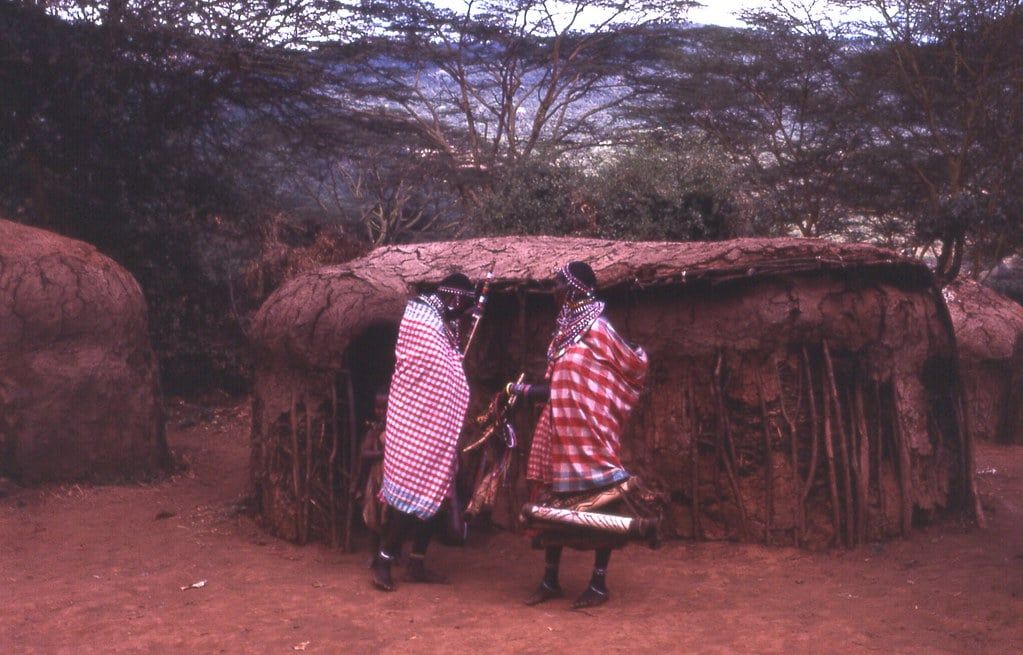
Scheduled flights between Nairobi's Wilson Airport and the Mara airstrips cost roughly $150–250 each way; road transfers in a package are effectively bundled into the rate. The extras add up fast. A hot-air balloon flight with champagne bush breakfast runs $530 in standard season and $580 in peak; a Maasai village visit $30–50; night drives and walking safaris in the conservancies $50–100 each if not already included. Budget $10–15 per guest per day for guide tips, carried as USD notes, with Kenya shillings for small purchases.
| Peak season (August) | Green season (February) | |
|---|---|---|
| Park entry, 3 days | $600 per adult | $300 per adult |
| 4-star camp, 3 nights full board | $1,050–1,650 | $900–1,200 |
| Return flights Nairobi–Mara | $300–450 | $300–450 |
| Balloon flight + breakfast | $580 | $530 |
| Village visit | $30–50 | $30–50 |
| Guide tips, 4 days | $40–60 | $40–60 |
Packages fold these lines into one price; this is the arithmetic unpacked. Totalled, the same mid-range trip costs roughly $2,600–3,400 in August against $2,100–2,600 in February — a $500–800 gap before you've changed a single activity. Two levers close it: travel inside the $100 fee window, or trade a night of camp luxury for a conservancy rate. Neither costs you wildlife.
Where to Stay: Reserve, Mara Triangle or a Conservancy
The Mara is really three different destinations, and the zone you sleep in shapes the trip more than the camp itself. The main reserve holds the river crossings and the densest game; the Mara Triangle trades crowds for space; the private conservancies trade pure migration access for night drives, walks and capped vehicle numbers.
The main reserve
Inside the reserve, camps and lodges sit minutes from the Musiara, Talek and Sekenani sectors that produce near-daily big-cat sightings. That's the advantage: no gate queue, no drive-in from outside. The cost is company — in August a lion kill can draw a car park. First-timers and anyone chasing crossings should sleep here for at least two of their nights.
The Mara Triangle
Managed by a dedicated conservancy beneath the Oloololo Escarpment, the Triangle sees far fewer vehicles than the Narok-run east bank, keeps its tracks in better shape, and holds most of the reserve's rhino. Its gates are cashless only — card or M-Pesa. One regulatory note: since June 2024, self-drive has been banned east of the Mara River, so the Triangle is the last sector where self-guided game drives remain possible.
The conservancies
Mara North, Naboisho, Olare Motorogi and Ol Kinyei border the reserve on community land, charging $80–120 per adult per day. That buys the activities the reserve forbids — night drives, guided walks, off-road tracking — plus vehicle caps at sightings. Access is one-way: conservancy guests can drive into the reserve, but reserve guests can't enter the conservancies.
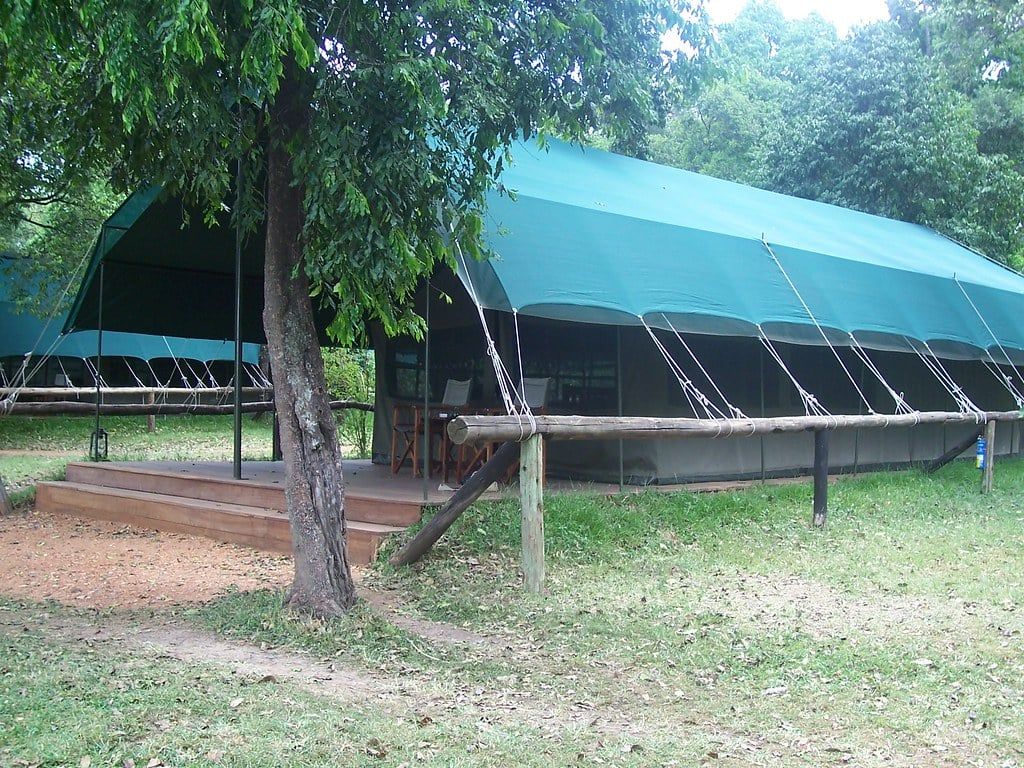
Camp styles span mobile camps that follow the migration, classic tented camps and family lodges with pools and private vehicles — our lodges guide covers the standouts. Photographers should weight nights toward a conservancy; families toward a lodge with a private vehicle; honeymooners toward a small tented camp. The tactic that beats them all is the split stay: two nights inside the reserve for crossings, two in a conservancy for everything the reserve bans.
Getting There & How Long You Need
Bush flights from Nairobi's Wilson Airport take 45–60 minutes and cost $150–250 one way, with departures around 07:00, 10:30 and 14:00. They're hops, not transfers — most routes stop at two or three airstrips (Keekorok, Olkiombo, Mara Serena and others) before yours, so allow a couple of hours door to camp. Baggage is limited to 15 kg per person in soft-sided bags; hard suitcases can be refused at check-in.
Driving covers 225–275 km via Narok town in 5.5–6.5 hours depending on your gate — tar all the way to Sekenani, murram after. Packages bundle the transfer into the rate, which is why road safaris from Nairobi undercut fly-ins by hundreds of dollars for groups with time to spare. Backpackers can manage bus to Narok plus a matatu to Sekenani for $15–25, though matatus stop in the early afternoon, so leave Nairobi early.
Stay three to four nights. That yields four to six game drives across different sectors plus one special activity, without repeating yourself; shorter trips cost more per sighting, and a Nairobi day trip (11–12 hours of driving) is a false economy. Wildlife obsessives stretch to a week, splitting reserve and conservancy nights.
A four-day skeleton you can copy
- Day 1: fly in from Wilson, settle at camp, afternoon game drive.
- Day 2: full-day drive on the plains between the Talek and Mara rivers.
- Day 3: sunrise balloon flight and bush breakfast; afternoon in a conservancy.
- Day 4: dawn drive, Maasai village visit, fly back to Nairobi.
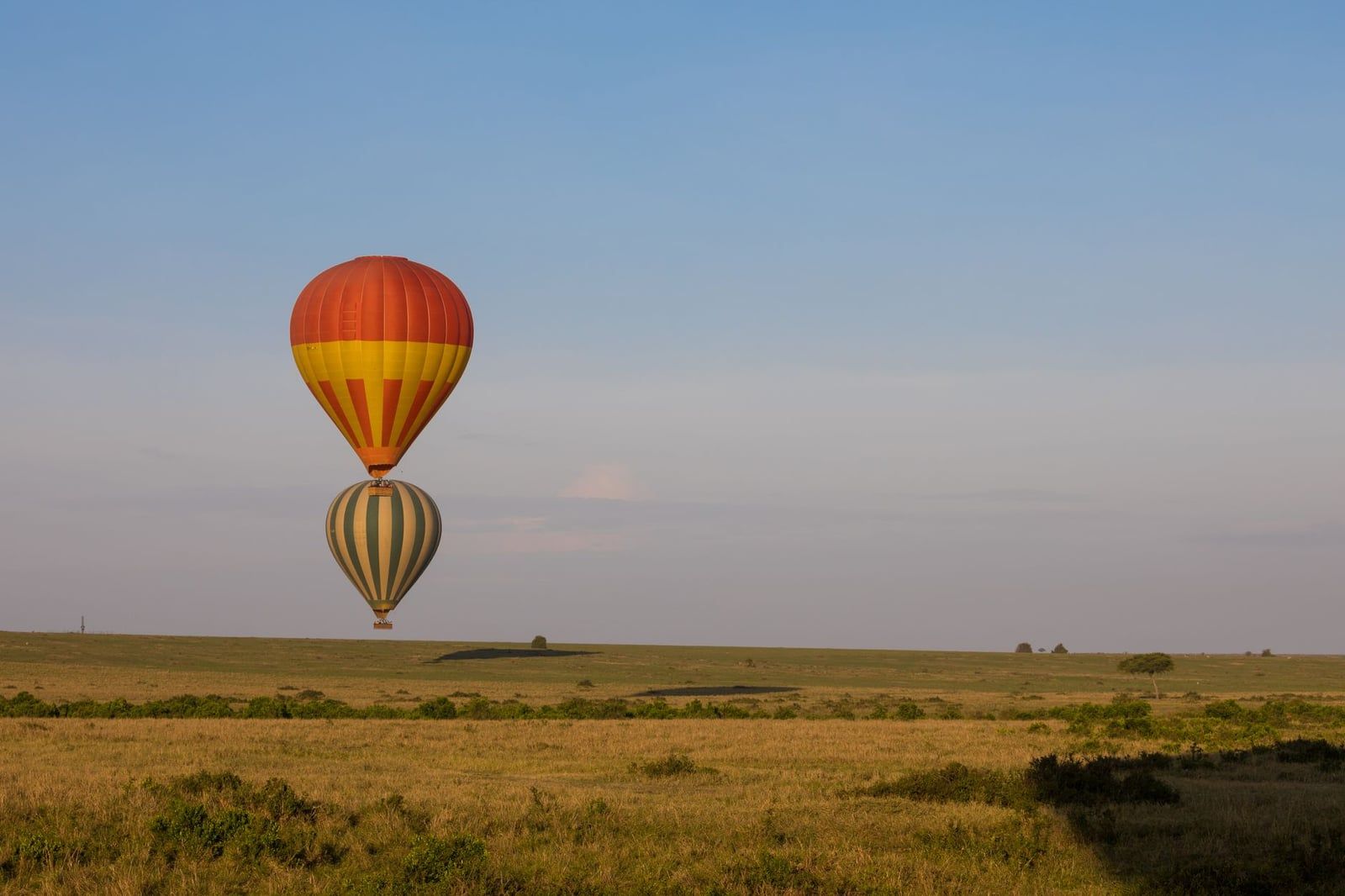
In migration season, make Day 2 a river-focused day with a packed breakfast — that's the day you position for crossings. Balloon flights cancel in wind or heavy rain and operators typically retry the next morning, so book it for Day 3, not your last day. A shorter version of this plan is mapped out in our 3-day itinerary.
Planning Essentials: Rules, Packing & Health
Three rules catch out the unprepared. Tickets run 6am–6pm, and on departure day you must exit the reserve or reach your airstrip by 10am or pay another full day's fee. Self-drive is banned east of the Mara River and inside all conservancies. And the activity list is zone-specific: night drives, walking safaris and off-road driving are prohibited in the reserve — off-road alone draws a KES 10,000 on-the-spot fine — while drones are banned everywhere, with confiscation and arrest the stated penalty.
Be at the gate for 6am. Predators hunt in the cool first hours, vehicles are few, and you extract the full 12 hours your ticket buys. At famous sightings, once more than five vehicles gather, viewing is capped at 10 minutes — arriving first means you're inside the circle, not 100 m back in the queue.
- Neutral layers: dawns sit at 10–14°C, middays at 25–28°C.
- Fleece and windbreaker for open-vehicle drives.
- Binoculars — one pair per person if possible.
- Wide-brim hat, high-SPF sunscreen, DEET repellent.
- Camera with a zoom lens; leave the drone at home.
- Soft duffel bag, 15 kg, for bush flights.
Skip dark blue and black — they attract tsetse flies — and camouflage patterns, which are discouraged in Kenya. Dress simply and modestly for village visits, and always ask before photographing Maasai people.
The Mara is a malaria zone year-round: see a travel clinic four to six weeks before departure about prophylaxis, wear long sleeves at dusk and use repellent. Crime inside the reserve is rare; the Nairobi drive is the riskier leg, so travel it in daylight. For money, carry USD notes for tips and shillings for small spends, pre-pay park fees through KAPS in Nairobi to skip gate queues, and remember the Triangle's gates take card or M-Pesa only.
Masai Mara Safari FAQs
How much does a 3-day Masai Mara safari cost?
Roughly $300 per person for a very basic group camping tour, $1,000–1,500 for a mid-range package and $2,000+ for a luxury fly-in. Check whether park fees are itemised separately in your quote — at $100–200 a day, they're not a rounding error.
How many days do you need in the Masai Mara?
Three to four nights. That allows four to six game drives across different sectors plus one special activity — a balloon flight or village visit — at a relaxed pace, without repeating tracks.
When is the best time to see the Great Migration?
The herds are typically in the Mara from mid-July to October, with Mara River crossings most likely in August and September. Crossings follow the rains, so no date is ever guaranteed.
Can you see the Big Five in the Masai Mara?
Yes, all five live here, but rhino are elusive and concentrated in the Mara Triangle. Lion, leopard, elephant and buffalo sightings are routine in every month of the year.
What are the Masai Mara park entry fees?
Non-resident adults pay $100/day from January 1 to June 30 and $200/day from July 1 to December 31; children aged 9–17 pay $50 and under-8s enter free. Tickets are valid 12 hours, 6am–6pm.
Is it better to stay inside the reserve or in a conservancy?
The reserve puts you closest to the river crossings and the densest game; conservancies ($80–120/day) add night drives, bush walks, off-road tracking and far fewer vehicles. Splitting your stay between both is the popular answer.
Is a Masai Mara safari worth it?
Yes — wildlife density here is among the highest in Africa, with strong viewing every month. Go in July–October for the migration and peak prices, or January–June for half-price fees and greener plains.
What should I pack for a Masai Mara safari?
Neutral-coloured layers for cold dawns and warm middays, binoculars, sun protection, DEET repellent and a camera with a zoom lens. Bush flights cap luggage at 15 kg in soft-sided bags.