Almost every visitor to the Masai Mara arrives with the same question: which animals will I actually see? The honest answer is more good news than most safaris can offer. Lion, elephant and buffalo are near-certainties within a couple of game drives, giraffe and hippo fill the gaps, and the open grassland around Musiara, Talek and Sekenani produces big-cat sightings on most early mornings. This guide covers the reserve's full cast — who's common, who needs luck, where each species lives, and when to go for the animals you care about most.
What Animals Live in the Masai Mara?
The Masai Mara National Reserve covers 1,510 sq km (583 sq mi) of open grassland, riverine forest and acacia scrub in south-western Kenya, running straight into Tanzania's Serengeti with no fence between them. Animals move freely across that border, which is why such a compact reserve holds close to 90 mammal species — everything from elephant and lion down to vervet monkey — plus over 500 bird species. Surround it with more than a dozen community conservancies and the protected ecosystem nearly doubles again.
The practical cast breaks into five groups: the Big Five (lion, leopard, elephant, buffalo, black rhino), the big cats beyond lions (cheetah especially), the plains game that forms the backdrop of every drive (zebra, wildebeest, gazelle, giraffe, topi), the river residents (hippo and Nile crocodile), and the birds. This article works through them in that order, then gets to the parts most guides skip: your real odds of each sighting, which named areas of the reserve hold which species, and how many days you need.
The Big Five: Who's Common, Who's Rare, and Where to Find Each
The term comes from big-game hunters, who named the five hardest animals to shoot on foot — it refers to difficulty, not size. All five still live in the Mara, which is why the reserve is one of the best places in Kenya to tick the set. But their sighting odds differ enormously, and knowing which is which saves disappointment.
Lion
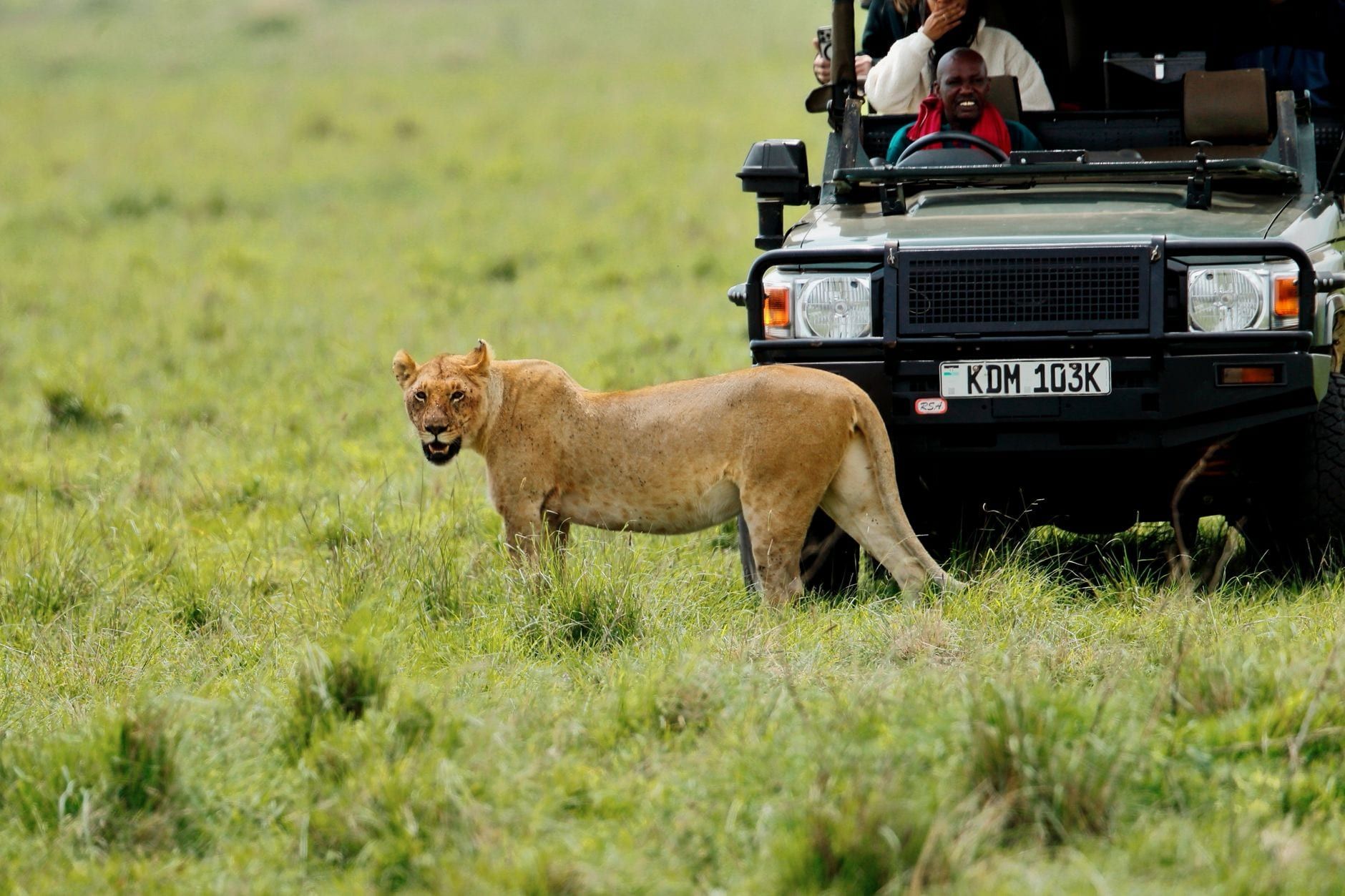
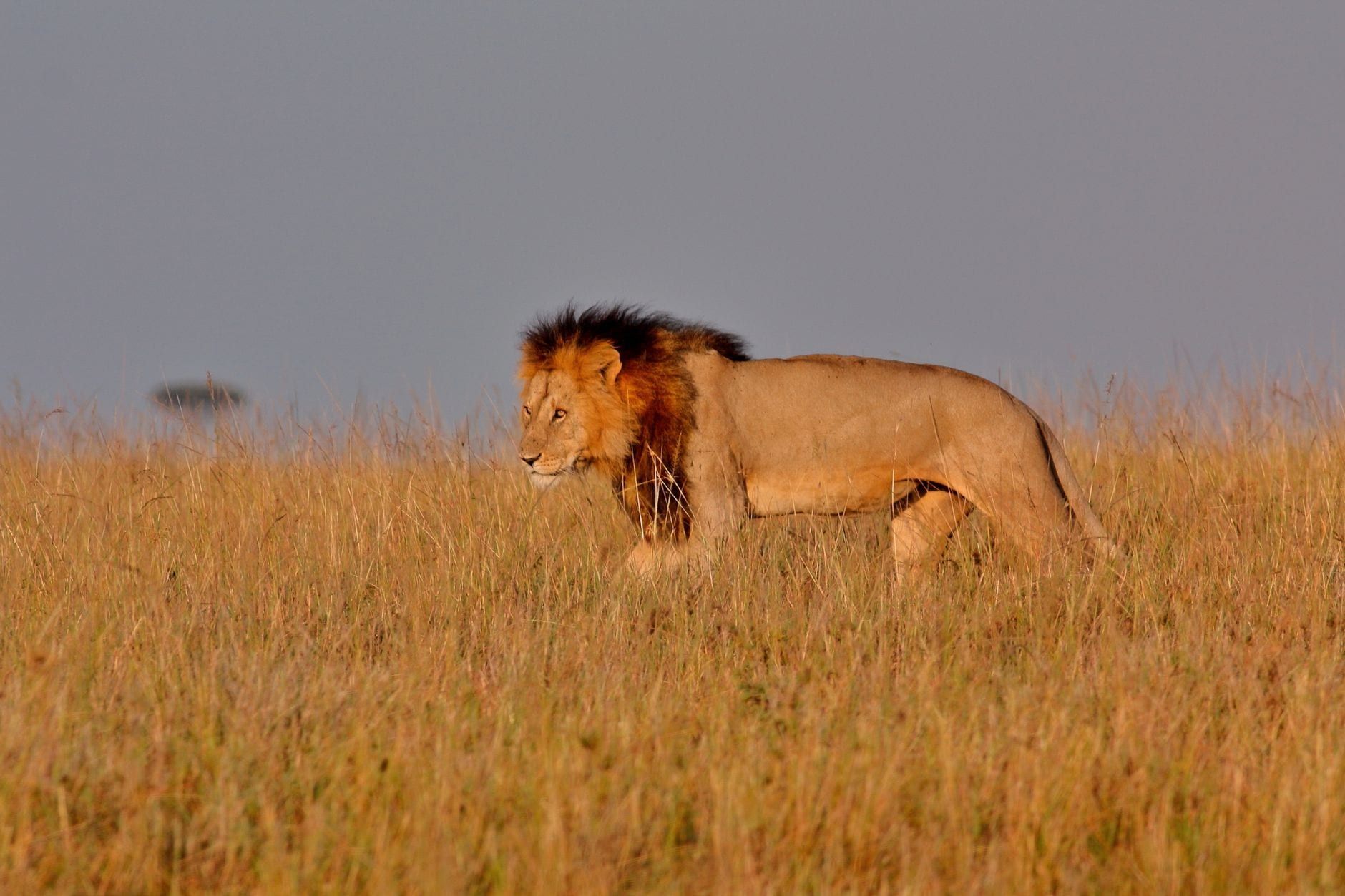
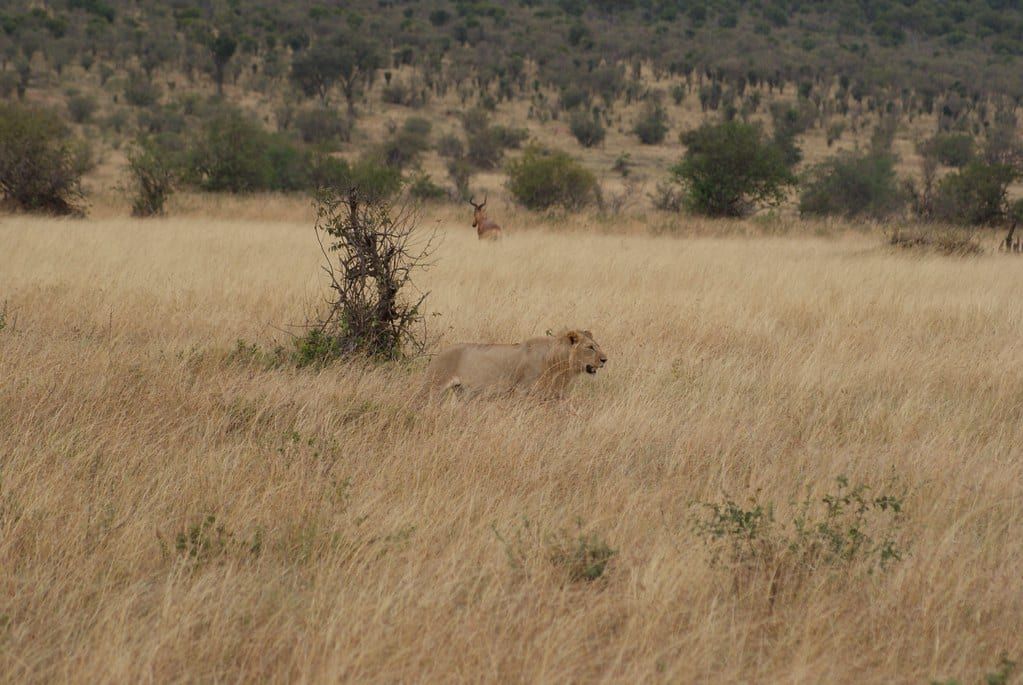
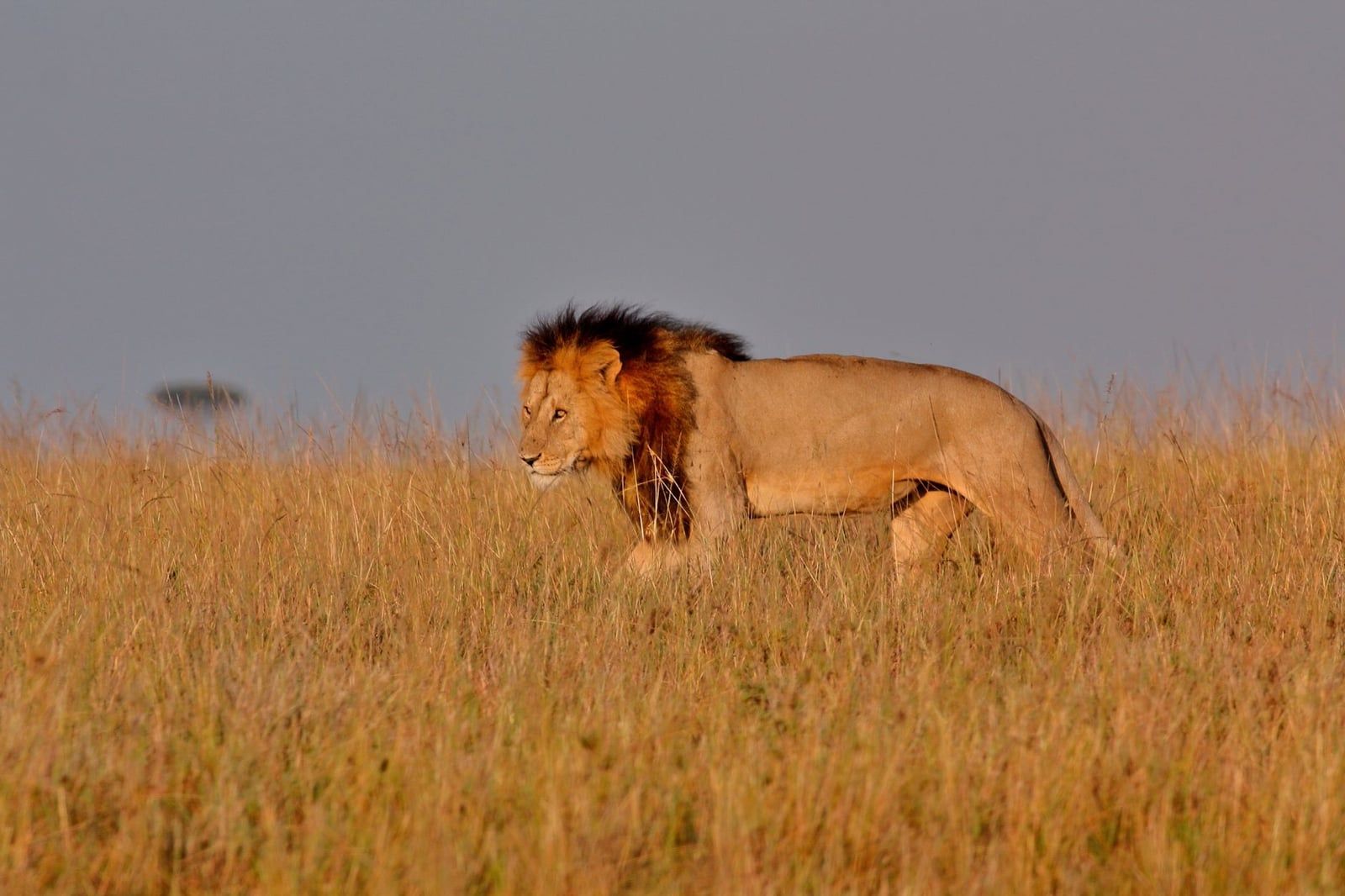
Lions are the Mara's signature animal, and the numbers back it up: an estimated 850-900 lions live in the reserve and surrounding conservancies, one of East Africa's densest populations. Across the whole reserve that works out to roughly 5 lions per 100 sq km, but in prime viewing areas it rises to 25-30 per 100 sq km. Prides of 15-20 animals are normal. The Musiara Marsh area in the north-west is the home of the Marsh Pride, the lions made famous by the BBC's Big Cat Diary — still one of the most reliable places in Africa to watch lions at close range.
Elephant
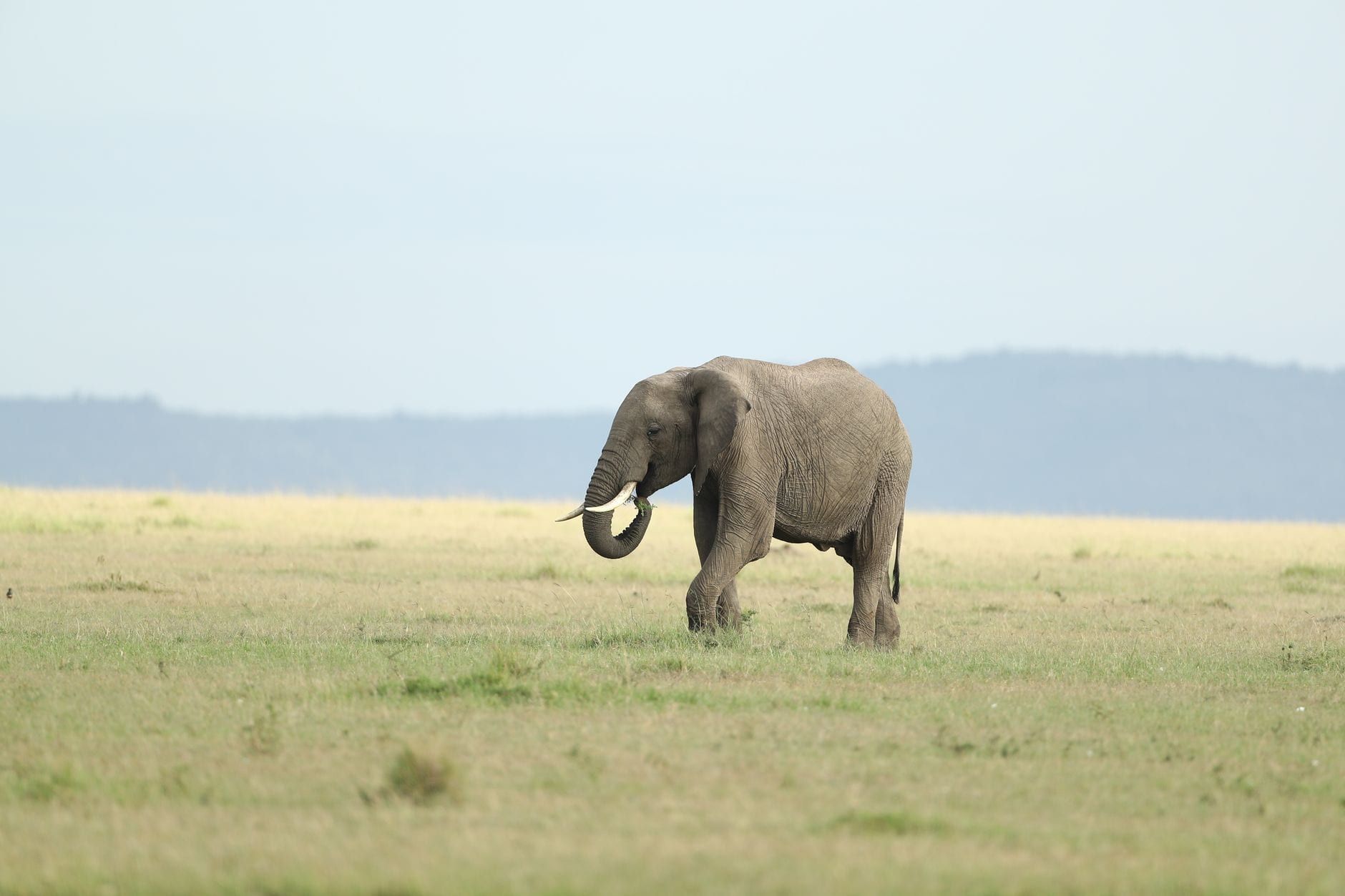
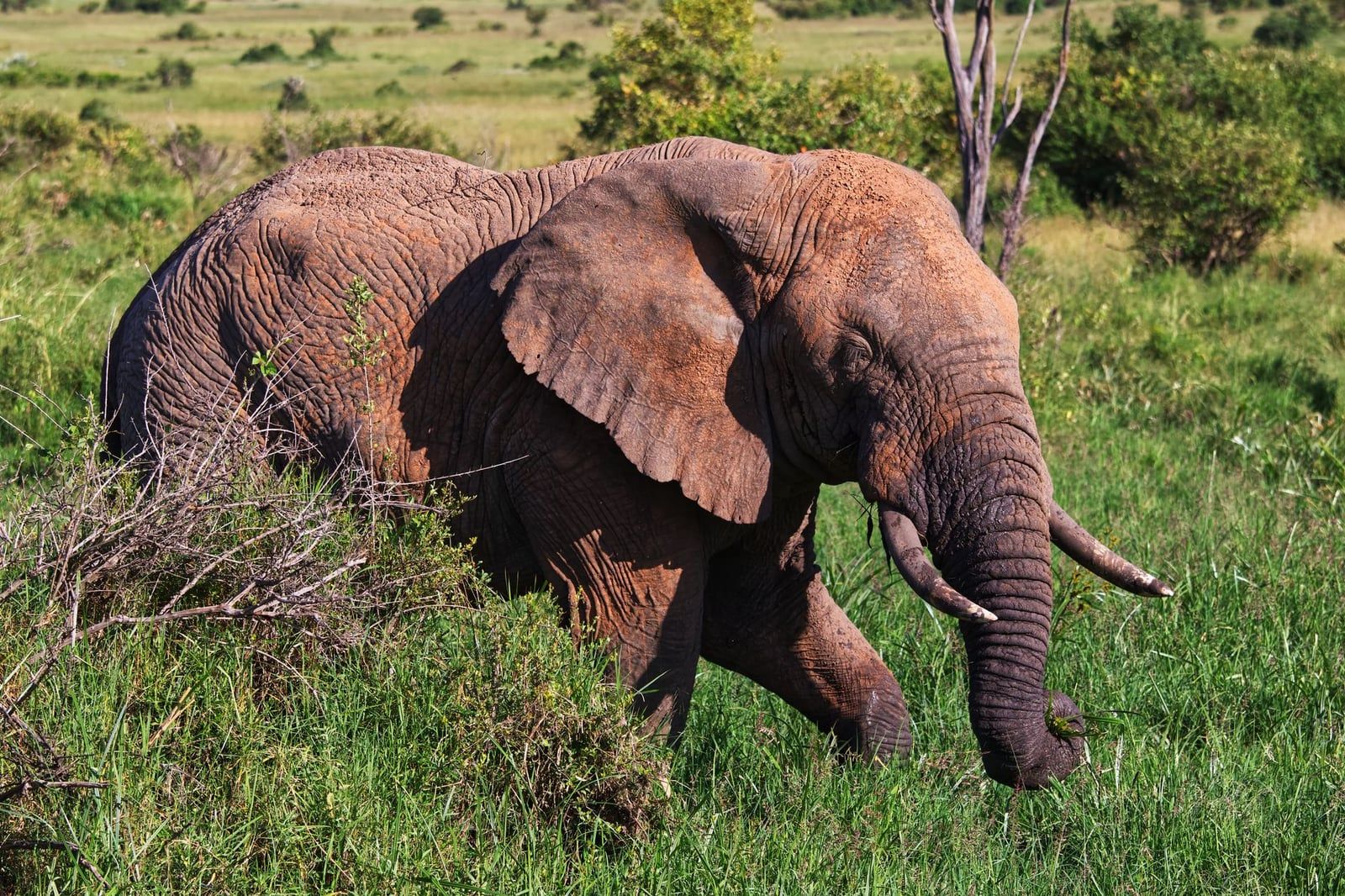
Elephants are common and getting more so — the 2021 WWF census counted 2,600 elephants in the Masai Mara ecosystem, a population that has grown in recent years. You'll meet them as matriarchal family groups, most often around the marshes and river-edge grazing in the north of the reserve, with big breeding herds sometimes 50 strong. Matriarchs remember decades-old routes; guides who've watched the same families for years can often tell you which herd is approaching before you see it.
Leopard
The leopard is the honest "maybe" of the Big Five. They're solitary, nocturnal hunters that spend daylight hours draped over a branch in thick cover, and field guides rate them occasional rather than common — you'll see one on some drives and not others. The species is listed as vulnerable on the IUCN Red List due to habitat loss and human encroachment. Your best odds come from slow drives along riverine forest and woodland edges in the early morning, watching the trees rather than the plains.
Black rhino
Only the black rhino occurs in the Mara — roughly 35-50 animals, critically endangered, and rated rare by every operator in the region. They spend most of the day concealed in thick bush, and no guide will promise you one. The Mara Triangle in the reserve's south-west is their stronghold, so if a rhino matters to your trip, spend at least a full day on that side of the river.
Cape buffalo
Buffalo are the dependable member of the set — the 2021 census logged 1,600 of them, and herds of 100-plus animals gather near water in the dry season. You'll usually find them on the open plains and marsh edges, often with cattle egrets picking insects off their backs. A buffalo at 30 metres is the animal that reminds you to stay in the vehicle.
The Big Nine and Other Signature Species
Kenyan guides extend the Big Five to a Big Nine by adding cheetah, giraffe, hippo and zebra. All four are easy in the Mara — and they're the animals you'll photograph most, because you'll see them constantly.
Cheetah
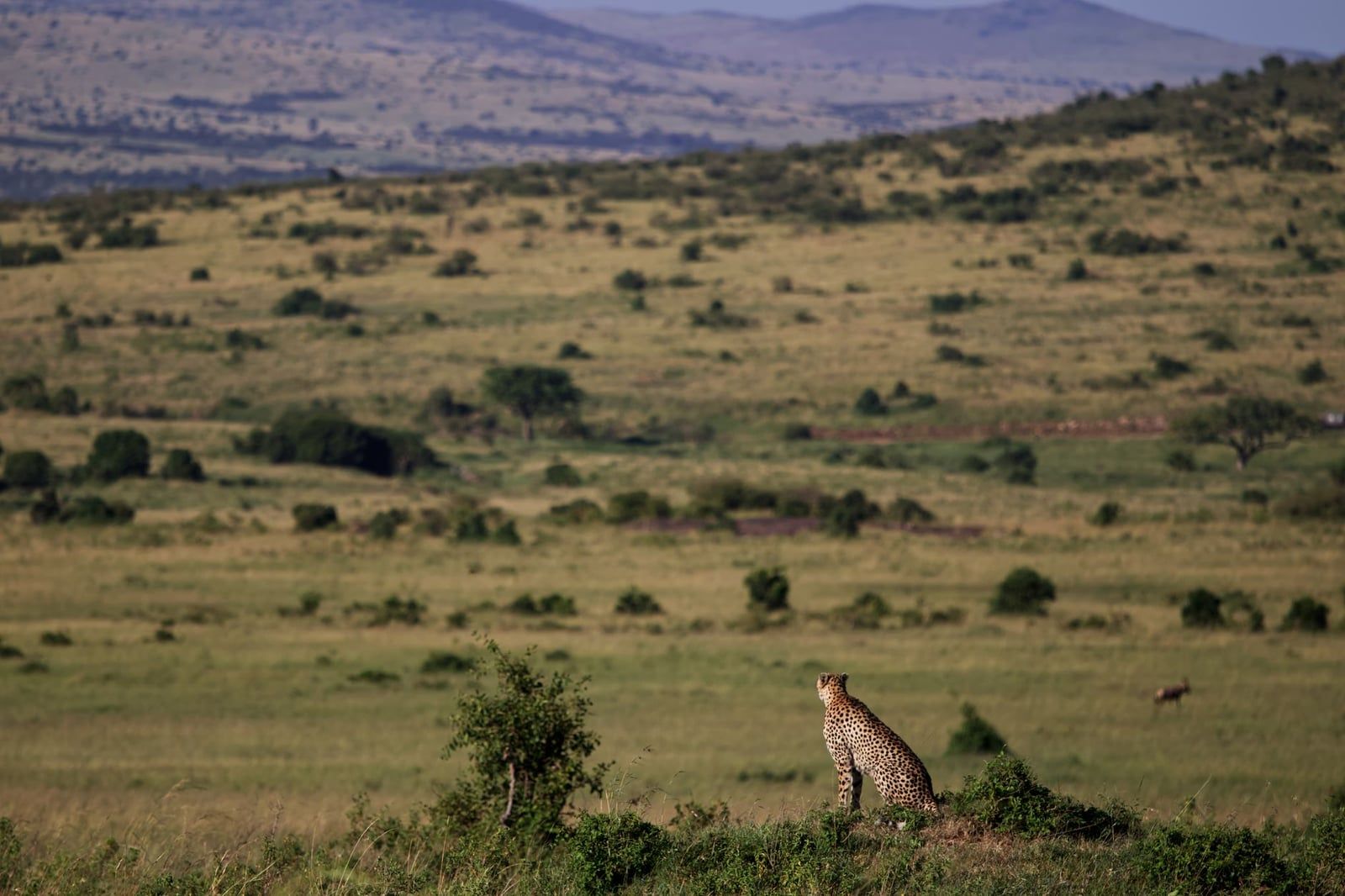
Cheetahs are the plains' speed specialists, hitting up to 110 km/h in short hunting bursts, and the Mara's open grassland suits them perfectly. Don't confuse them with leopards: cheetahs are lanky, day-hunting sprinters with solid spots and black tear-marks under the eyes, built for chasing gazelle across open ground. Look for them on slightly raised ground with clear sightlines — termite mounds are favourite lookout posts.
Masai giraffe
The Mara's giraffes are Maasai giraffes, the irregular-patched subspecies whose wild population in Kenya numbers roughly 33,000. They browse along the woodland edges rather than out on the short grass, so drives between the plains and the riverine forest pass through them constantly. Giraffe are rated common — you'll stop photographing them by day two.
Hippo and Nile crocodile
The Mara and Talek rivers hold hippos and Nile crocodiles year-round. Adult male hippos average about 1,500 kg and spend their days half-submerged in deep pools, which is why every river viewpoint doubles as a hippo viewpoint — listen for their grunts at dusk. The crocodiles that lurk in the same stretches are the Mara River's crossing gauntlet during the migration.
Plains zebra, wildebeest and the supporting cast
Plains zebra and wildebeest are rated abundant — the constant backdrop of every game drive, and the reason the predators are here. (If you're hoping for Grevy's zebra with their thin, dense stripes, that species lives only in northern Kenya, around Samburu.) Spotted hyenas are equally common and criminally underrated: their clans average around 12 animals per 100 sq km in the Mara, and their whooping calls carry up to 5 km through the night. Beyond them, the dependable supporting cast runs to topi — found in Kenya mainly in the Masai Mara — impala, Thomson's and Grant's gazelles, warthog, olive baboon, vervet monkey and ostrich. A first-time visitor ticks most of this list without trying.
Sighting Odds at a Glance: Which Animals Will You Actually See?
Species lists set you up for disappointment. This is the same field-guide scale safari operators use — abundant, common, occasional, rare, none — applied to what a typical 3-5 day Mara safari actually delivers.
| Species | Likelihood | Where and when |
|---|---|---|
| Zebra, wildebeest | Abundant | Everywhere on the plains; herds swell July-October |
| Lion, elephant, buffalo | Common | Musiara Marsh, river edges; dawn drives |
| Giraffe, hippo, hyena, cheetah | Common | Woodland edges; deep river pools; open plains |
| Leopard | Occasional | Riverine forest and thick cover, early morning |
| Black rhino | Rare | Mara Triangle, in thick bush |
| Wild dog, pangolin | Very rare; white rhino none | Northern conservancies; pangolin nocturnal |
What that means on a typical stay: three to four days gives you four to six game drives, which is enough for the abundant and common tiers several times over. Seeing all Big Five in three days is genuinely likely — the elephant, buffalo and lion come quickly, and cheetah usually follows. Rhino is the one that can slip away even on a five-day trip.
Where to Find Them: A Habitat-by-Habitat Guide
The Mara isn't uniform, and knowing its five main habitats turns a lucky safari into a planned one. Here's which species lives where.
Open plains
The short-grass plains between the Talek and Mara rivers hold the zebra, wildebeest and buffalo herds — and the predators that work them. Cheetahs favour this terrain, choosing raised ground with clear sightlines where smaller antelope are present, and hunting lions follow the herds. Dawn is when it all moves.
Rivers and pools
The deeper pools and banks of the Mara and Talek rivers hold hippos and crocodiles year-round, and elephants come to drink and to graze the river-edge vegetation. These are also the corridors leopards use — a slow morning drive along forested riverbank is your best leopard strategy.
Musiara Marsh
The marsh and its edges in the reserve's north-west are the Mara's single most productive area: home of the Marsh Pride, a favourite haunt for lions, leopards and cheetahs, and a gathering point for elephants and buffalo that graze the wet ground. If you only plan one sector carefully, plan this one.
Woodland edges and thick cover
Acacia scrub and riverine forest edges carry the giraffe, bushbuck and — if you're going to find one anywhere — leopard. These stretches reward patience over distance; a guide who stops and scans the trees beats one racing between sightings.
Mara Triangle and the conservancies
The Mara Triangle, the sector south-west of the river beneath the Oloololo Escarpment, is the black rhino stronghold and sees far fewer vehicles than the Narok-managed side, with better-kept tracks. The northern conservancies — Mara North, Naboisho, Olare Motorogi, Ol Kinyei — are where the rare stuff lives: they offer the best remaining chance of African wild dog, and controlled off-road tracking that the main reserve forbids. Fewer vehicles matters; at a Mara sighting capped by rules, a conservancy can give you a leopard alone. If you're choosing where to sleep, our guide to Masai Mara lodges breaks down the reserve-versus-conservancy trade-off.
The Great Migration: When the Herds Take Over
Every year roughly 1.3-1.5 million wildebeest, 400,000 zebra and hundreds of thousands of gazelles — Thomson's and Grant's — make an 800 km clockwise circuit of the Serengeti-Mara ecosystem. The herds are in the Masai Mara from roughly mid-July to mid-October. Wildebeest typically gather on the Mara River's southern banks around August-September before crossing, and the whole movement heads back into Tanzania around October — exact timing shifts with the rains, so the animals' calendar beats yours.
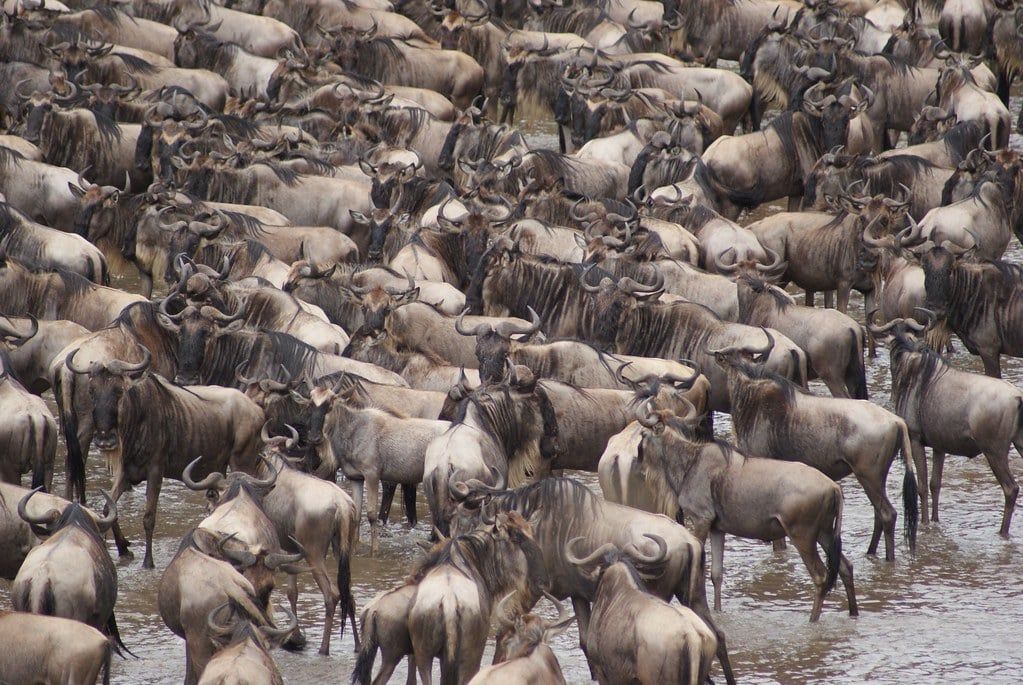
A river crossing is the spectacle people fly in for: thousands of wildebeest leaping off cut banks, braving strong currents and the crocodiles that have waited all year for them. Crossings can't be scheduled — a guide who knows the gathering points and reads the herds gives you the best odds, and famous crossing points can draw up to 200 vehicles, with viewing time capped at 10 minutes once more than five vehicles gather. Arrive early and be prepared to wait.
For the rest of your sightings, the migration is a multiplier. Lions follow the prey bonanza, cub season follows the feast, and hyenas shadow everything. But resident big cats, elephants, giraffe and buffalo don't leave with the herds — game viewing stays strong on either side of the migration window. For the full planning picture, see our guide to the Great Migration in the Masai Mara, or browse migration safari tours built around the crossing season.
Rare and Elusive: The Lucky Sightings
Four species in the Mara are genuinely unlikely, and pretending otherwise does you no favours. These are the sightings that make a guide's month.
Black rhino
Only an estimated 35-50 black rhinos remain in the Mara, and they spend most of the day concealed in thick bush. Guides find them by scanning known browsing areas in the Mara Triangle with binoculars, often at a distance. Even dedicated trackers go days without one — treat a rhino sighting as a bonus, never a plan.
Pangolin
The ground pangolin — the scale-armoured, termite-eating mammal that is the world's most trafficked — occurs in the Mara but is active at night, and experienced trackers rarely see one. If you get a pangolin, you've won the safari lottery. Nobody plans around it.
African wild dog
Wild dogs were once common in the Mara until rabies and canine distemper spread from domestic dogs devastated the packs. Rated very rare today, their best remaining chance is in the northern conservancies, where a handful of packs are holding on. It's the single strongest wildlife argument for adding conservancy nights.
White rhino
The white rhino is rated none — it simply doesn't occur in the reserve. Kenya's white rhinos live elsewhere, most reliably at Lake Nakuru National Park, about five hours' drive north, which also holds black rhinos and flamingo flocks. That pairing is a classic Kenya circuit if your rhino fixation is serious.
Birdlife: 500+ Species Above the Plains
Over 500 bird species are recorded in the Masai Mara, and the raptor cast alone — 57 species — makes it worth keeping the binoculars up between big-mammal sightings. Bateleur eagles tilt over the plains, martial eagles hunt gazelle fawns, secretary birds stalk the grass on stilts, and African fish eagles perch above every hippo pool.
The colour comes from lilac-breasted rollers (Kenya's most photographed bird, and it earns it), superb starlings in iridescent blue and orange, and grey-crowned cranes dancing at the marsh edges. On the ground, look for ostrich and kori bustard, Africa's heaviest flying bird. Birding peaks November-April, when European migrants arrive to swell the resident numbers — if birds are your priority, that's your season, and it comes with green-season rates.
When to Go for the Animals You Want (and How Many Days You Need)
Wildlife viewing in the Mara is good year-round, but the calendar still shapes what you'll see. June-October is the dry season and the best general window: thin vegetation, animals concentrated at permanent water, and the migration herds in residence from mid-July. November-April is the green season — resident game stays strong (the big cats, elephants, giraffe and buffalo don't migrate), the birding peaks with the European arrivals, and you trade some rain for lower rates and fewer vehicles. December-February is the sweet spot within it. Our month-by-month guide covers the trade-offs in detail.
Match the season to your priority. Migration and river crossings: mid-July to mid-October, with crossings peaking August-September, and entry fees doubling to US$200/day in that window. Big cats without the crowds: December-February. Birds: November-April. Rhino chasers should note that the Mara Triangle is productive in any month — the constraint is luck, not season.
On duration: plan 3-4 days, or 4 days/3 nights as most visitors do. That's four to six game drives — enough for near-certain lion, elephant, buffalo, giraffe, hippo and zebra, plus a fair run at leopard and cheetah. A one-night dash from Nairobi gives you two drives and a 5.5-6 hour transfer on either side; it can work, but it's a gamble on exactly the two species that need patience. If you're short on time, 3-day Masai Mara tours are the standard fix — and fly-in options from Nairobi's Wilson Airport cut the transfer to under an hour. For a full itinerary framework, our 3-day Masai Mara safari plan shows how the drives stack up.
Gates open at 6 AM and close at 6 PM, and predators do most of their hunting in the cool hours after opening — the 5:45 AM alarm is the single highest-yield safari decision you'll make. When you're ready to compare itineraries and operators, start with the full range of Masai Mara tours.
FAQs: Quick Answers
Are there tigers in the Masai Mara?
No. There are no wild tigers anywhere in Africa — the tiger is an Asian species. The Mara's cats are lion, leopard and cheetah, with smaller species like serval and caracal.
What are the Big Five, and can I see all of them in the Masai Mara?
Lion, leopard, elephant, Cape buffalo and black rhino — the five animals early big-game hunters considered hardest to hunt on foot. All five occur in the Mara: lion, elephant and buffalo are near-certain within three days, leopard takes patience, and black rhino (roughly 35-50 animals) is never guaranteed even on a five-day trip.
When is the best time to see animals in the Masai Mara?
June-October is the best general window — dry weather, thin vegetation and animals concentrated at water. Mid-July to mid-October adds the migration herds, with Mara River crossings peaking in August-September. Resident big cats, elephants and giraffe make any month productive, and December-February offers similar quality with fewer vehicles.
How do you tell a cheetah from a leopard?
Cheetahs are lanky, day-hunting sprinters with solid spots and black tear-marks under the eyes, built for open plains. Leopards are stockier, nocturnal tree-climbers with rosette markings, found in thick cover and along riverine forest.
Which animals will I see on a 3-day Masai Mara safari?
Near-certain: lions, elephants, buffalo, zebra, wildebeest, giraffe, hippos, impala, topi, warthogs and spotted hyenas. Good odds: cheetah in prime open-plains areas. Occasional: leopard. Rare: black rhino.
Are there rhinos in the Masai Mara?
Black rhino only, and few of them — roughly 35-50 animals, concentrated in the Mara Triangle. The white rhino does not occur in the reserve at all.
How many animal species live in the Masai Mara?
Close to 90 mammal species plus seasonal migrants, and over 500 bird species, including 57 raptors.
Where can I see hippos and crocodiles in the Masai Mara?
Along the Mara and Talek rivers, especially the deeper pools, where both species live year-round. Crocodile drama peaks during the migration river crossings around August-September.