About All Tours Serengeti Safari ToursFrom Nairobi ToursSafari ToursMigration Safari ToursJeep Tours3 Day ToursLuxury ToursHot Air Balloon Tours Directions Hours & Fees Guides
Find Tours 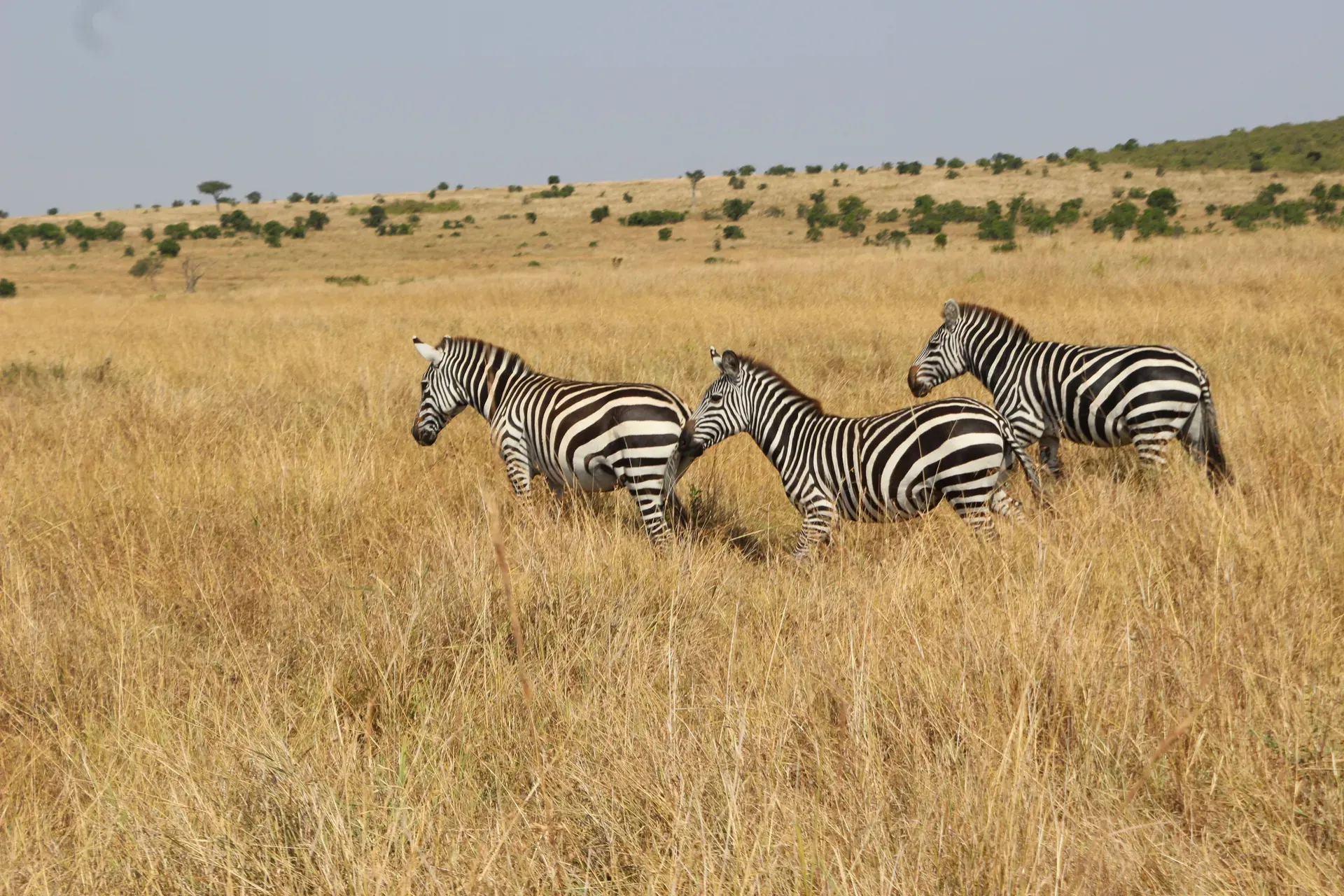
Masai Mara National Reserve protects 1,510 km² of acacia-dotted savannah in southwestern Kenya, adjoining the Serengeti across the Tanzanian border. Roughly 1.5 million wildebeest pour into it every July, and the lions, leopards and cheetahs that hunt them make it one of Africa's densest big-cat destinations.
Masai Mara National Reserve — locals just call it "the Mara" — sits in Narok County in southwestern Kenya, its 1,510 km² of grassland running straight into Tanzania's Serengeti with no fence between them. The name is a double reference: "Mara" means "spotted" in the Maa language, for the acacia trees scattered across the plains like freckles, and the Maasai people have grazed cattle here for centuries.
What puts the reserve on the world map is the Great Migration. Between July and October, about 1.5 million wildebeest, 400,000 zebra and some 300,000 gazelles push north out of the Serengeti and into the Mara, an 800 km annual circuit that requires crossing the crocodile-filled Mara River. Herds stack up on the bank, hesitate, then surge. This spectacle is why the Mara is listed among the Seven Natural Wonders of Africa.
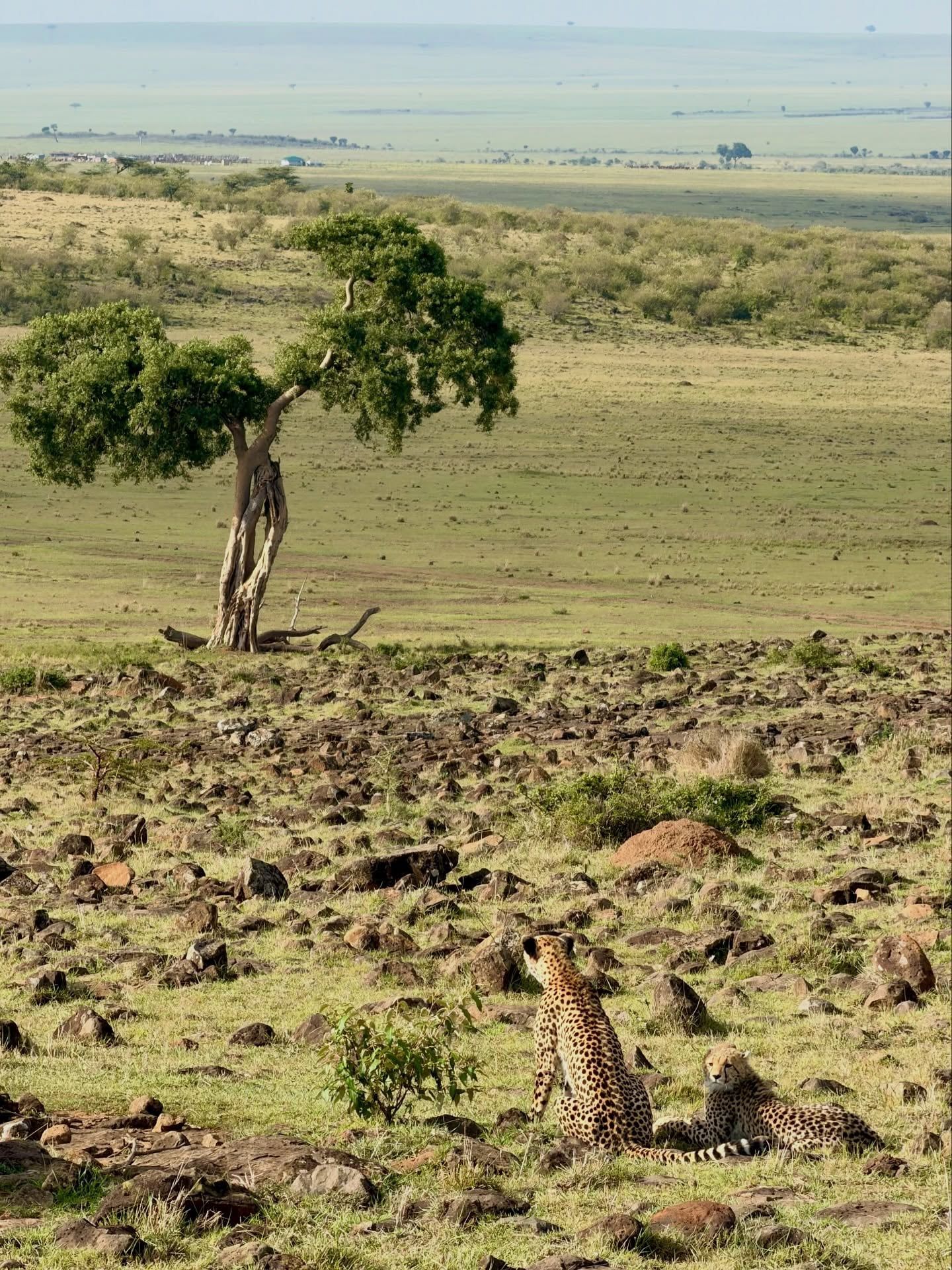
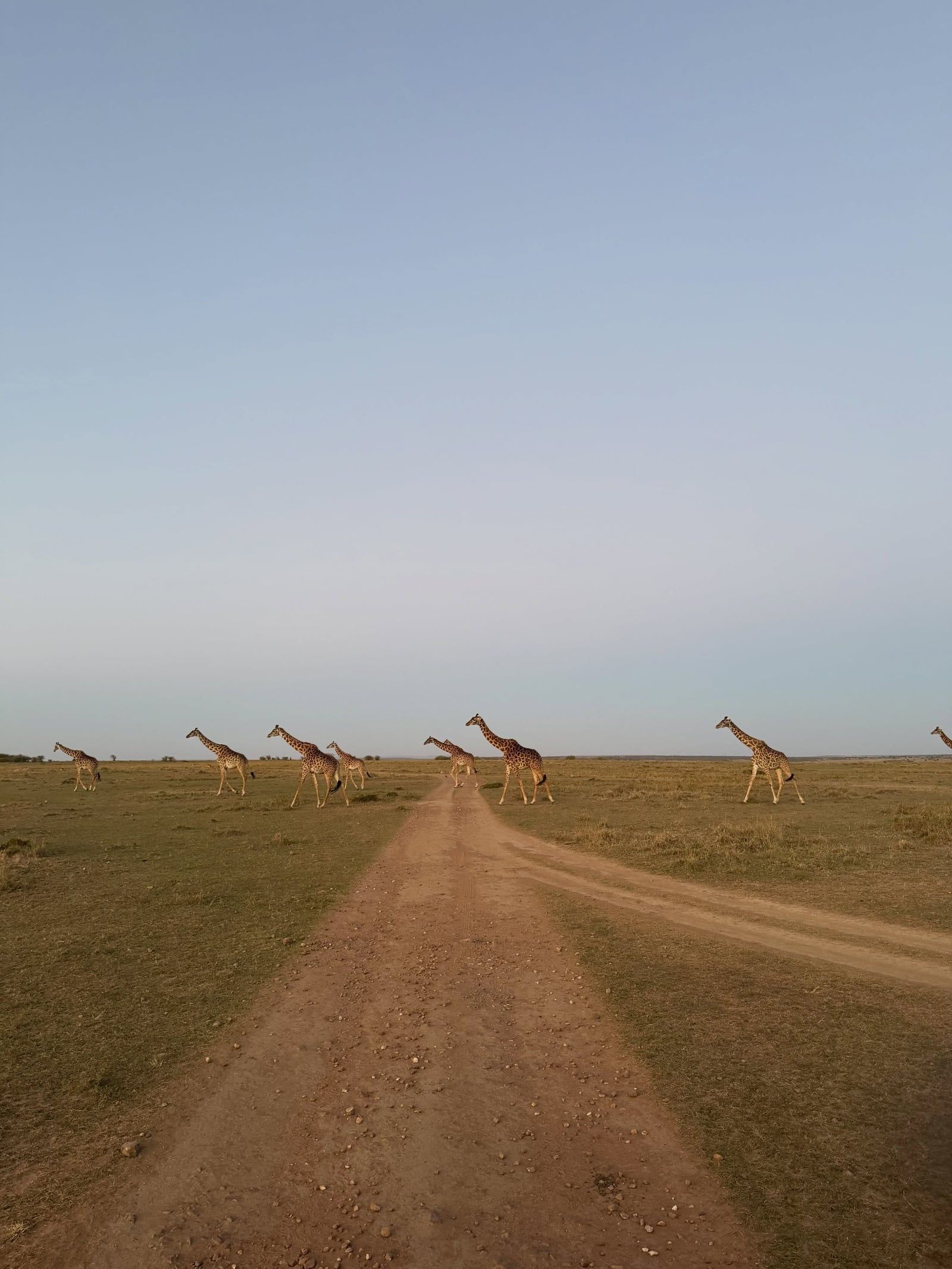
Outside migration months it's still one of Africa's best game-viewing areas, with close to 90 mammal species and unusually high densities of lions, leopards and cheetahs. The western third, the Mara Triangle, sits beneath the 300-metre Siria Escarpment and sees far fewer vehicles than the busier eastern sectors around Sekenani and Talek. Most visitors book three or four nights, combining the public reserve with one of the private conservancies that ring it — those allow night drives and walking safaris, which the main reserve forbids.
The Maasai arrived in this part of the Rift Valley by the eighteenth century, herding cattle across plains they called the Mara for their scattered acacias. British colonial authorities arrived much later, and in 1911 the Maasai were moved into reserves under treaties that shrunk their grazing land. The wildlife itself had no protection at all until well into the twentieth century.
Protection began in 1961, when 520 km² including the present-day Mara Triangle were set aside as a wildlife sanctuary. Later that same year the area was extended east to 1,821 km² and gazetted as a game reserve under the Narok County Council. The boundaries have been argued over ever since. In 1974 the reserve gained National Reserve status, and 159 km² went back to Maasai communities; another 162 km² was cut in 1976. By 1984 the reserve had settled at today's 1,510 km².
In 2001, management of the Mara Triangle was contracted to Mara Conservancy Ltd, a non-profit that rebuilt the road network, doubled ranger patrols and made its two gates cashless. The eastern two-thirds remain under Narok County. The two halves charge the same fees but enforce rules with different vigor — Mara Conservancy rangers issue on-the-spot fines and have banned repeat offenders from the Triangle for six months.
The reserve's latest management plan, introduced in late 2023, reset entry fees to a two-tier calendar: US$100 per day in the January–June low season and US$200 from July through December, confirmed through 2026. More than a dozen conservancies now buffer the reserve's borders, run jointly with Maasai landowners who collect lease fees in exchange for keeping the land unfenced. Visitor pressure remains the central tension — famous river crossings can draw 200 vehicles in a day.
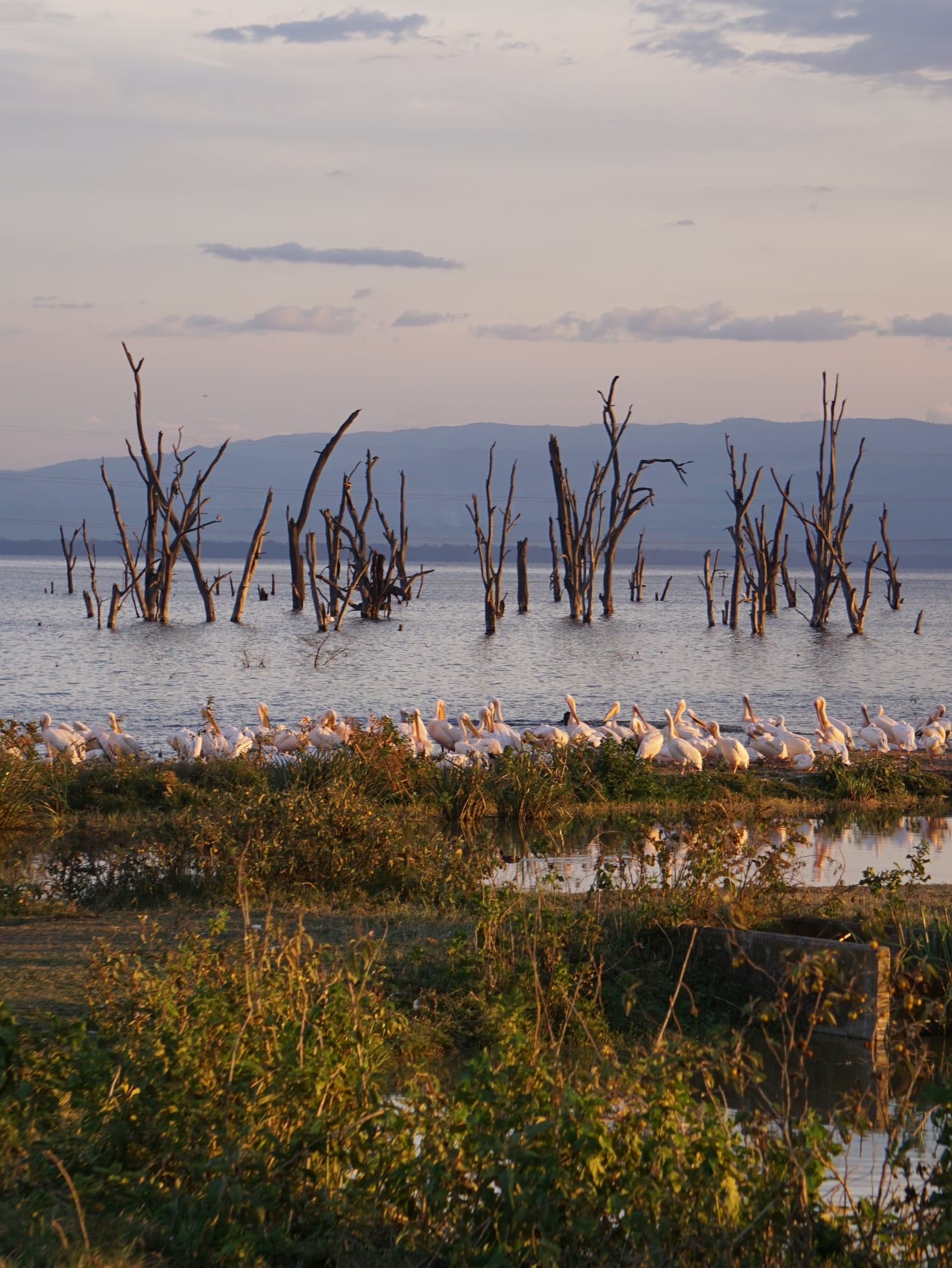
The Mara occupies the northern end of the Serengeti-Mara ecosystem at 1,500–2,170 m above sea level — high enough that mornings drop to 10–14°C even when the midday sun hits 25–28°C. The Siria Escarpment, also called Oloololo, forms a hard western wall; from its top you look down 300 metres onto the Mara Triangle's riverine forest. Two permanent rivers, the Mara and the Talek, cut the plains into three sectors, and nearly every camp sits near one of them because wildlife has to drink daily.
The vegetation is mostly open red-oat grassland — which is what makes the game viewing so good, since you can see for kilometres. Riverine forest lines the watercourses, thick with figs and acacias, and that's where leopards hang out. Acacia scrub patches the southeast. There are no lakes, no mountains inside the borders, and almost no points where a road disappears from view.
Rain falls in two seasons: the long rains from March to May and the short rains in November. In between, the black-cotton soil turns to a dust that coats everything in the dry season and to axle-deep mud in the wet — April and May, when some camps close entirely, are the months to avoid unless cheap green-season rates appeal. The drive from Nairobi covers 225–275 km depending on which of the five gates you use, tarred as far as Sekenani and murram thereafter. That's five and a half to six and a half hours by road, or 45 minutes by scheduled flight from Wilson Airport to one of eight Mara airstrips.
The Mara carries the Maasai name because the Maasai were here first and, by treaty and by lease, are still part of it. Their pastoral economy — cattle, and the status that comes with owning them — shaped these plains long before safari vehicles arrived. Villages near the main gates receive visitors for a fee of roughly US$30–50 per person, which buys a look inside a homestead, the jumping dance, and beadwork for sale. It's tourist-facing, yes, but the money goes to the community and the protocol is real: ask before photographing anyone, and dress modestly.
Land is the deeper story. Every excision in the 1970s returned acreage to Maasai ownership, and today the conservancies — Mara North, Naboisho, Olare Motorogi, Ol Kinyei — operate on land leased directly from Maasai families. A household that keeps its acreage unfenced earns more from wildlife than it would from farming it. That arrangement is the only reason the reserve isn't ringed by wheat fields; the ecosystem survives because it pays the people who live in it.
Beyond Kenya, the Mara became the world's image of East Africa. Countless documentaries have filmed its big cats, and the migration river crossings are among the most broadcast wildlife sequences ever shot. For most first-time visitors, it's the safari they pictured before they booked the flight.
The migration herds cover roughly 800 km each year on a clockwise circuit between the Serengeti and the Mara, following the rains rather than any calendar — arrival dates shift by weeks between years.
Around 250,000 wildebeest and 30,000 zebra die each year on the migration circuit — from drowning, predators, thirst and exhaustion.
The two Mara Triangle gates accept only Visa, Mastercard or M-Pesa. The other gates still take cash in dollars or shillings — a detail that strands unprepared visitors at Purungat Bridge.
Flying a drone anywhere in the reserve or its conservancies without written permits from reserve management and Kenya's civil aviation authority risks confiscation, fines, arrest or deportation.
Night game drives are illegal inside the main reserve — only the bordering private conservancies run them, using spotlights to find leopards and servals.
A 1–1.5 hour hot-air balloon flight over the herds costs US$450–600 per person and ends with a champagne breakfast in the bush; a US$50 landing fee is usually bundled into the price.
When more than five vehicles gather at one sighting, rangers cap viewing at 10 minutes and hold waiting vehicles 100 m back — a rule enforced hardest during migration crossings.
A 1,510 km² national game reserve in Narok County, southwestern Kenya, contiguous with Tanzania's Serengeti. The name combines the Maasai people with "Mara," the Maa word for "spotted," describing the acacia-dotted plains. It's famous for dense big-cat populations, the Big Five, and the annual Great Wildebeest Migration.
It hosts the northern half of the Great Migration, when 1.3–1.5 million wildebeest and 400,000 zebra cross the Mara River around July to October — a spectacle that earned it a place among the Seven Natural Wonders of Africa. Its big-cat densities are also among the highest in Africa, and dozens of wildlife documentaries have been filmed here.
It was created in 1961 as a 520 km² wildlife sanctuary, extended to 1,821 km² the same year. Boundaries were redrawn in 1974 and 1976, returning land to Maasai communities, and by 1984 the reserve reached its current 1,510 km².
"Masai" refers to the Maasai people who have grazed cattle on these plains for centuries. "Mara" means "spotted" in their Maa language — the name describes the flat grassland dotted with individual acacia trees and cloud shadows.
The reserve is the public national reserve (US$100–200/day) where the famous river crossings happen. Conservancies like Mara North, Naboisho and Olare Motorogi are private or community lands bordering it, charging US$80–120/day. Conservancies allow night drives, walking safaris and some off-road tracking — all forbidden in the main reserve — with far fewer vehicles.
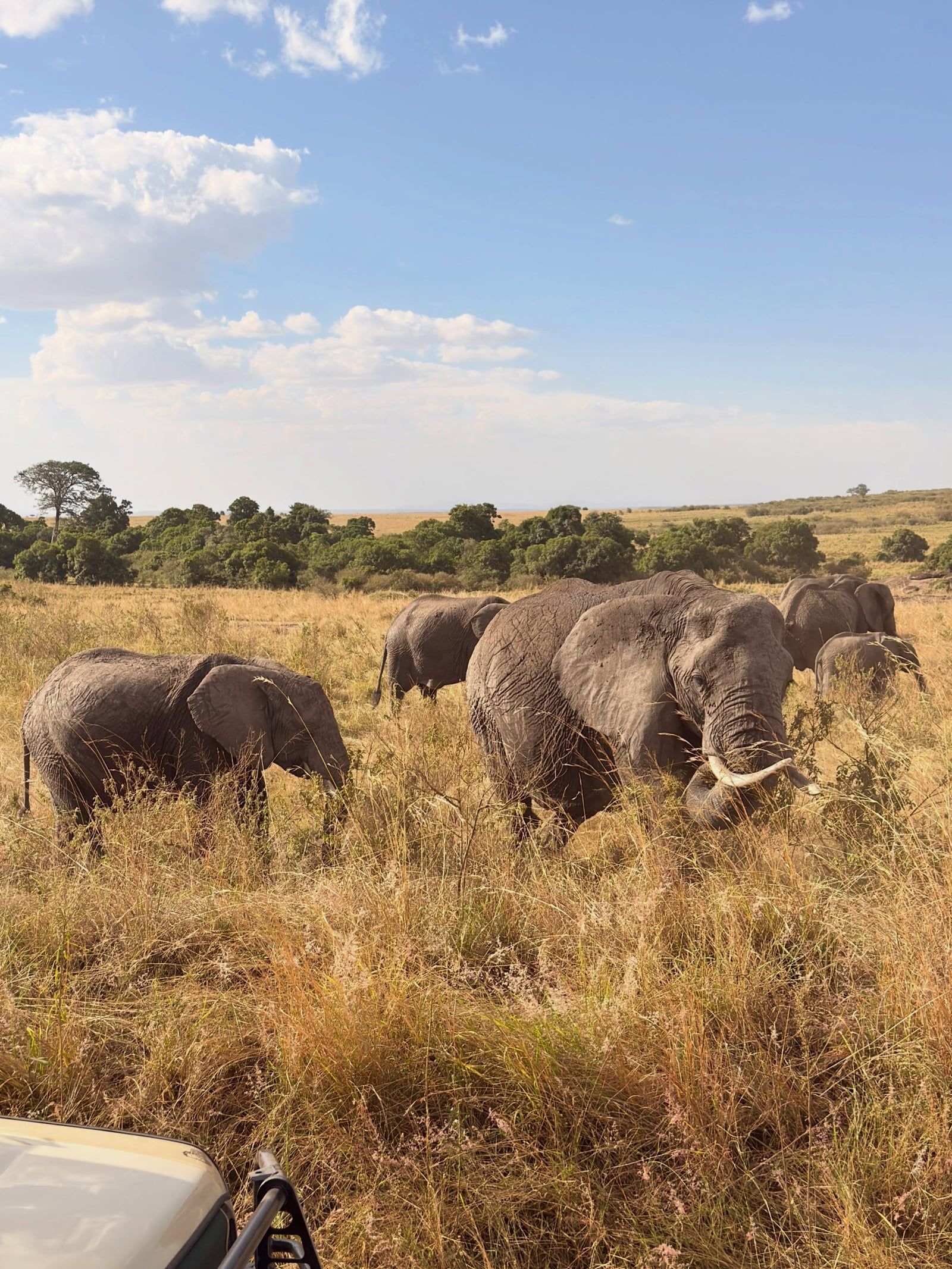
Close to 90 mammal species, including lions, leopards, cheetahs, elephants, buffalo and black rhinos. During the July–October migration, roughly 1.5 million wildebeest, 400,000 zebra, 12,000 eland and 300,000 gazelles swell those resident numbers.
Plan four days and three nights — enough for four to six game drives across the main sectors at a relaxed pace. A Nairobi day trip is possible but rushed, with 5.5–6 hours of driving each way. Serious wildlife watchers often stay a week, splitting nights between the reserve and a conservancy.
Non-resident adults pay US$100 per day from January to June and US$200 from July to December, rates confirmed through 2026. Children aged 9–17 pay US$50 year-round; under-8s enter free. Kenyan citizens pay KES 1,500–3,000 depending on season, plus vehicle fees of KES 400–5,000.
Yes — crime against travelers in Kenya's wildlife areas is extremely rare. The real risks are malaria (prophylaxis is recommended; see a travel clinic 4–6 weeks before departure) and the long Nairobi–Mara road, parts of which are rough and accident-prone. Take normal urban precautions in Nairobi itself.
The Serengeti-Mara migration was declared one of the Seven Natural Wonders of Africa in 2013, recognizing the scale of the 800 km annual circuit — the largest overland animal migration on Earth. The Mara River crossings, peaking in August and September, are its most dramatic stage.
Browse verified tours with free cancellation and instant confirmation.
Find Tours