About All ToursSerengeti Safari ToursFrom Nairobi ToursSafari ToursMigration Safari ToursJeep Tours3 Day ToursLuxury ToursHot Air Balloon Tours Directions Hours & Fees Guides
Find Tours 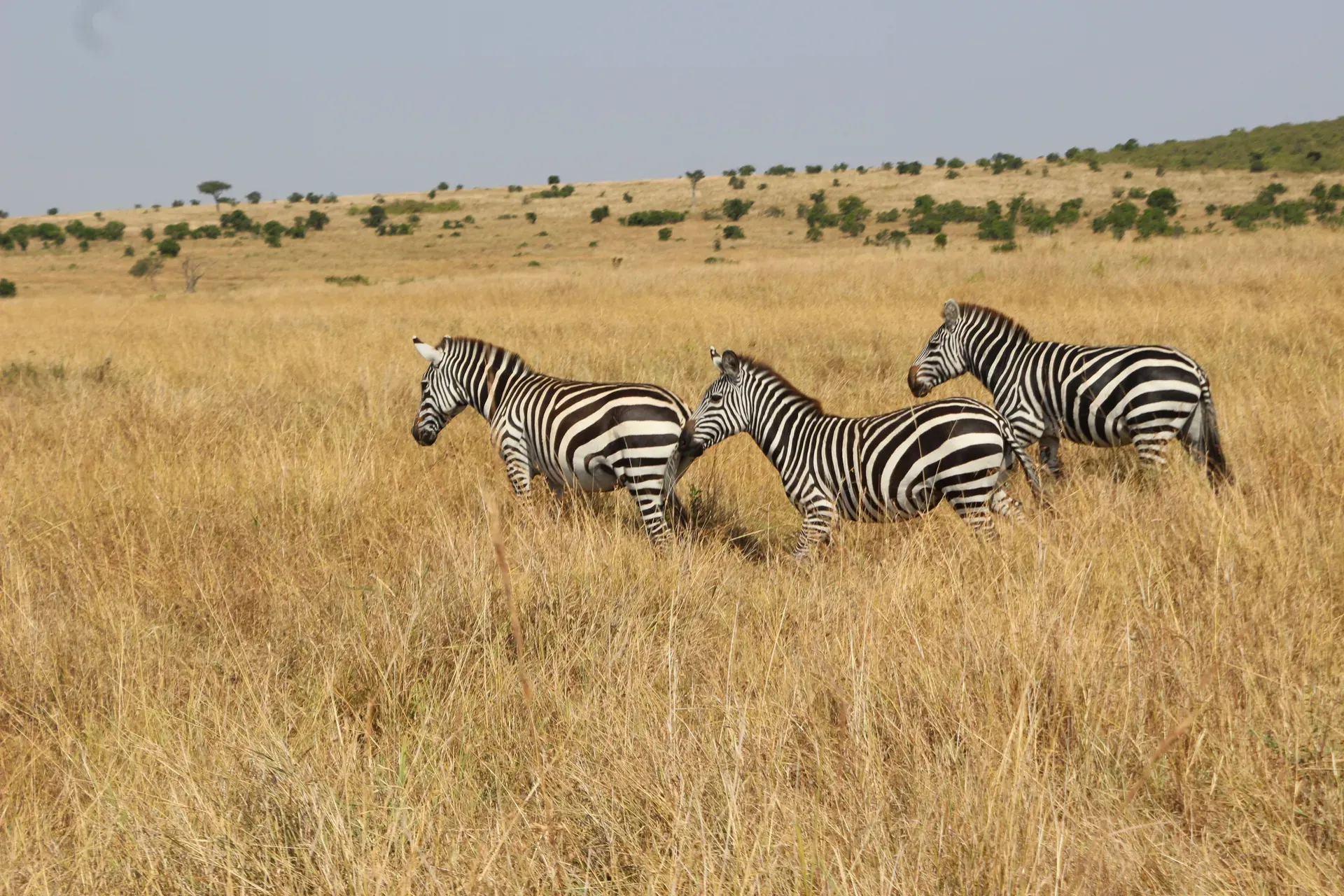
These luxury Masai Mara tours range from tented-camp safaris to fully private 4x4 experiences, several combining the Mara with Lake Nakuru National Park. Prices start at $1,820 with top-rated guides, meals, and daily game drives included.

3-day luxury tented safari with Rift Valley drive, park fees and all meals included.
 Free Cancellation
Four-day private safari from Nairobi to Masai Mara and Lake Nakuru, with mid-luxury lodge stays.
 Free Cancellation
4-day, 3-night private Masai Mara safari with all meals, accommodation, and game drives in a 4x4 Land Cruiser.

4-day private luxury safari to Masai Mara and Lake Nakuru with daily guided game drives.
Read what travelers share about their experience visiting Masai Mara — from practical tips to personal highlights.
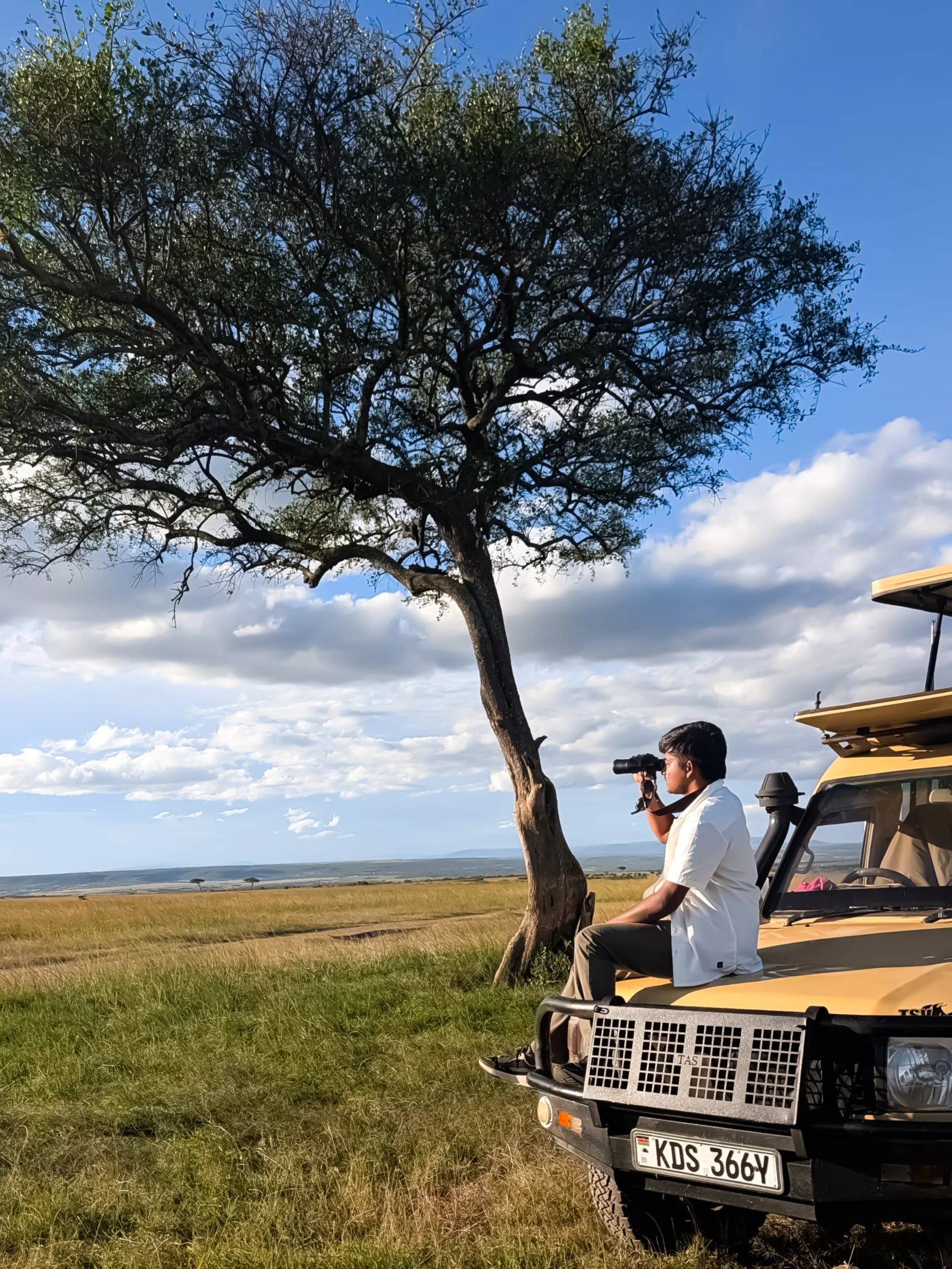
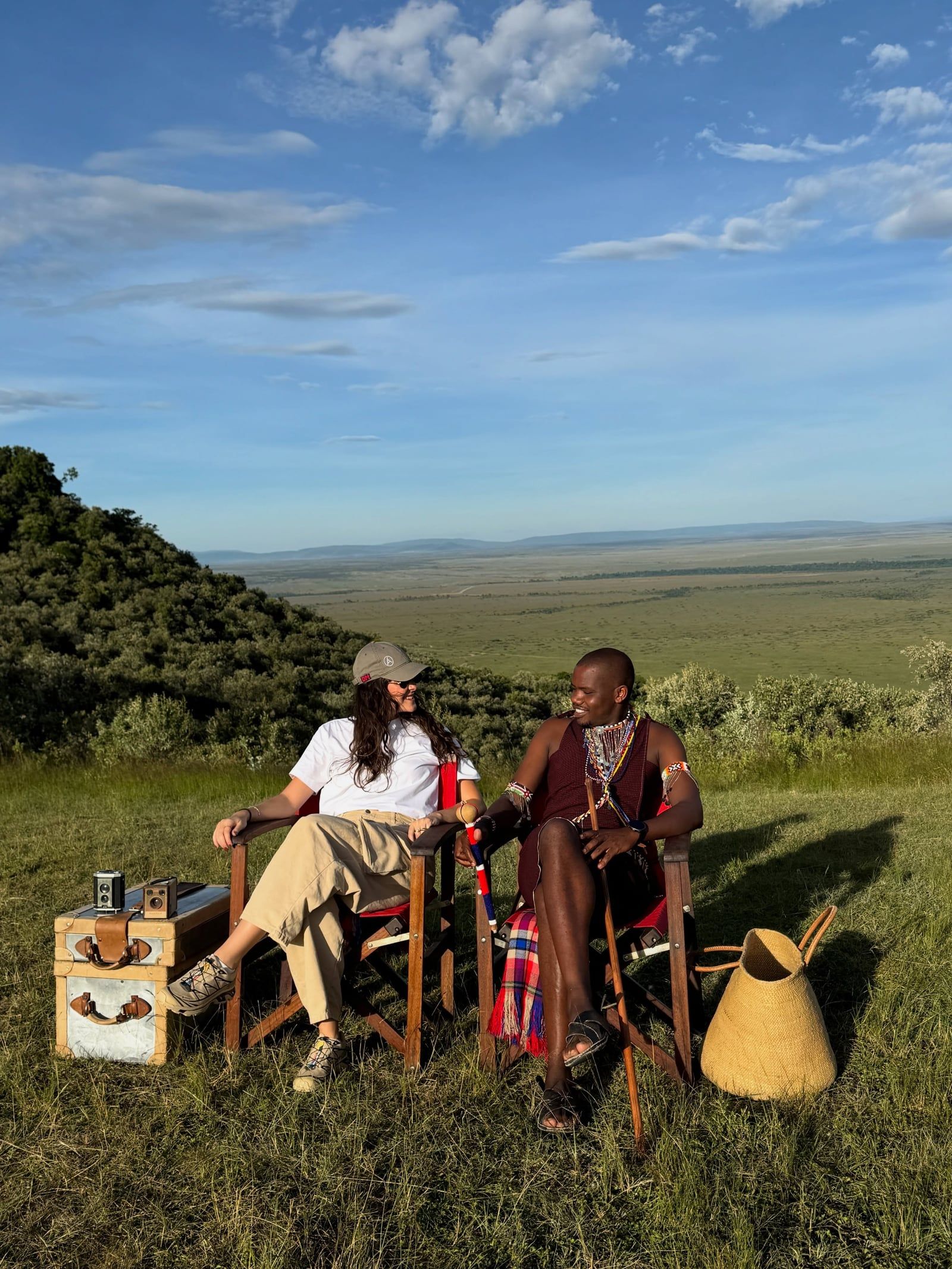
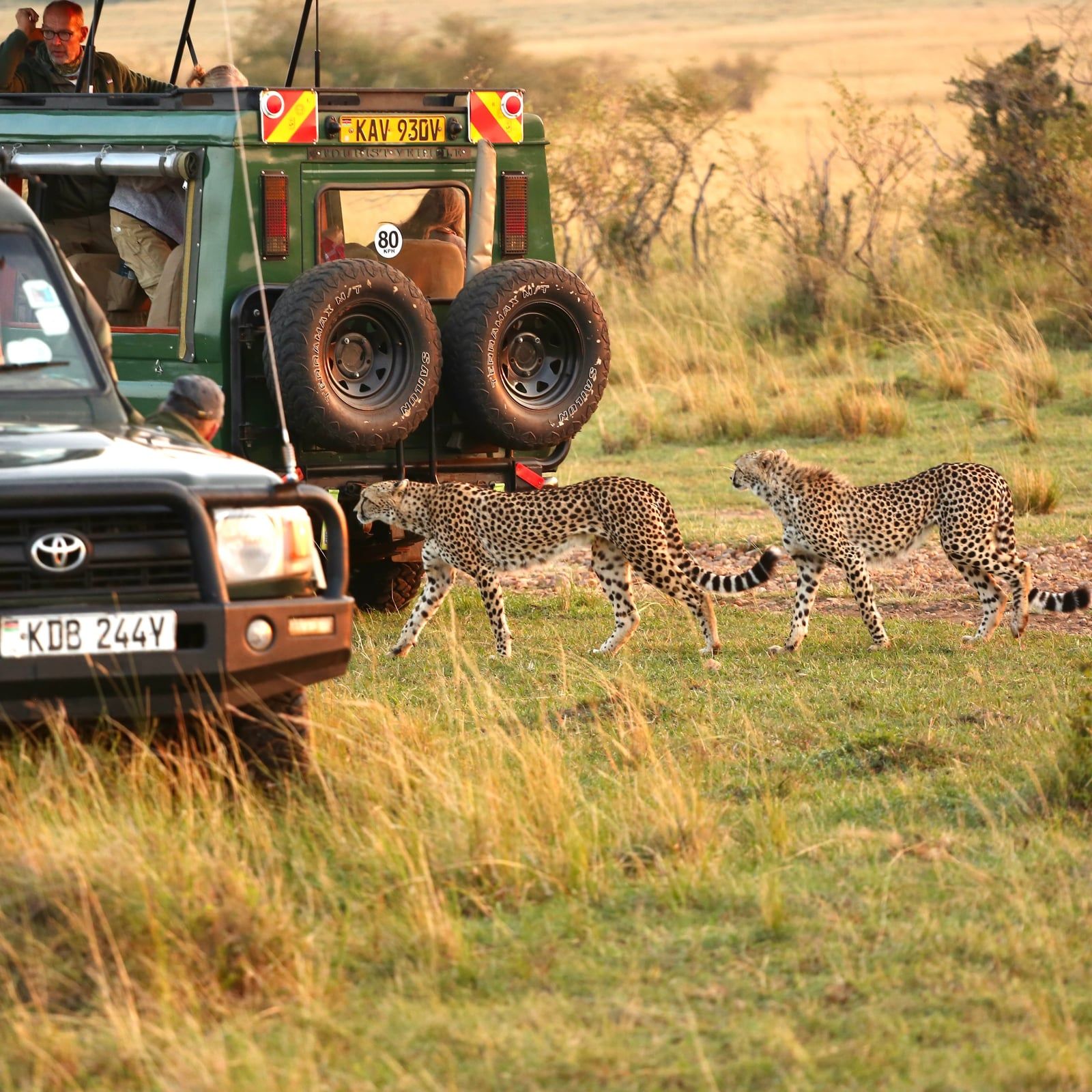
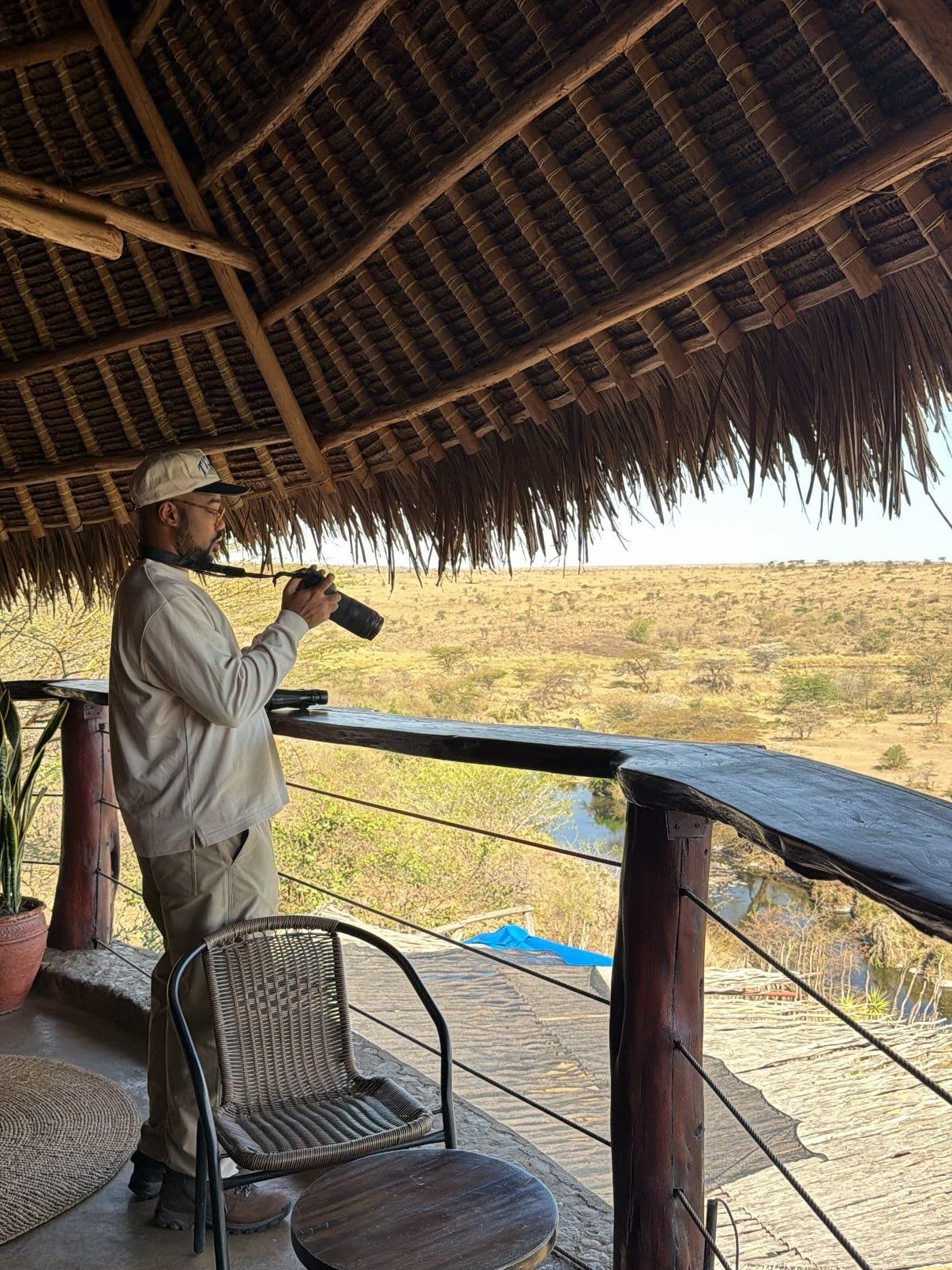
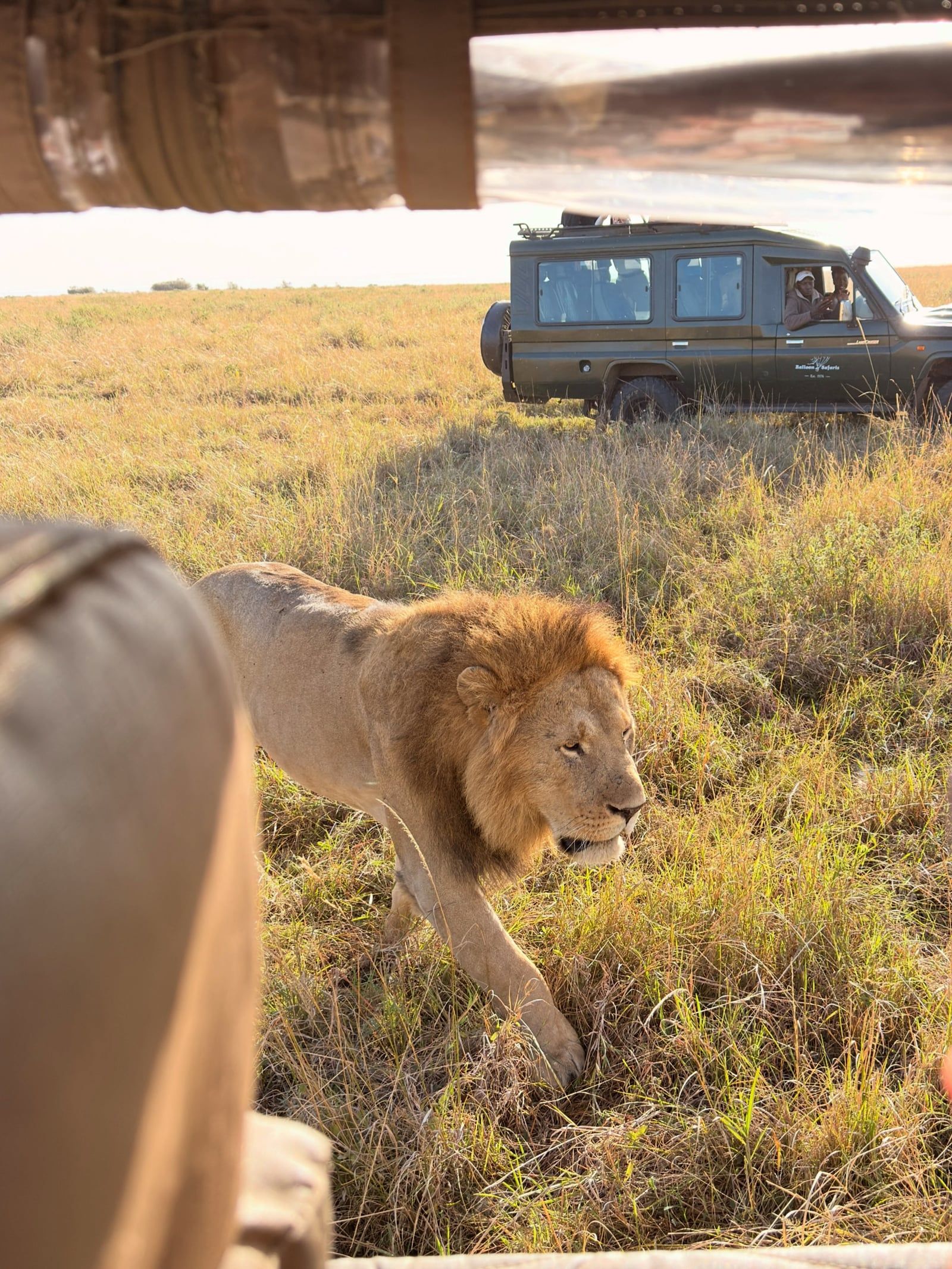
Most luxury tours here run three or four days out of Nairobi, built around dawn and late-afternoon game drives when lions, leopards and cheetahs are hunting. You'll travel in an open-roof 4x4 Land Cruiser, eat at the lodge or out of a bush breakfast box on the plains, and cover 225-275 km of Rift Valley road to reach the gates. The herds handle the rest.
From mid-July to October, roughly 1.3-1.5 million wildebeest and 400,000 zebra push into the Mara, and Mara River crossings peak in August and September. Guides track the build-up near points like the Purungat Bridge area. Arrive early — once more than five vehicles gather at a sighting, viewing is capped at 10 minutes.
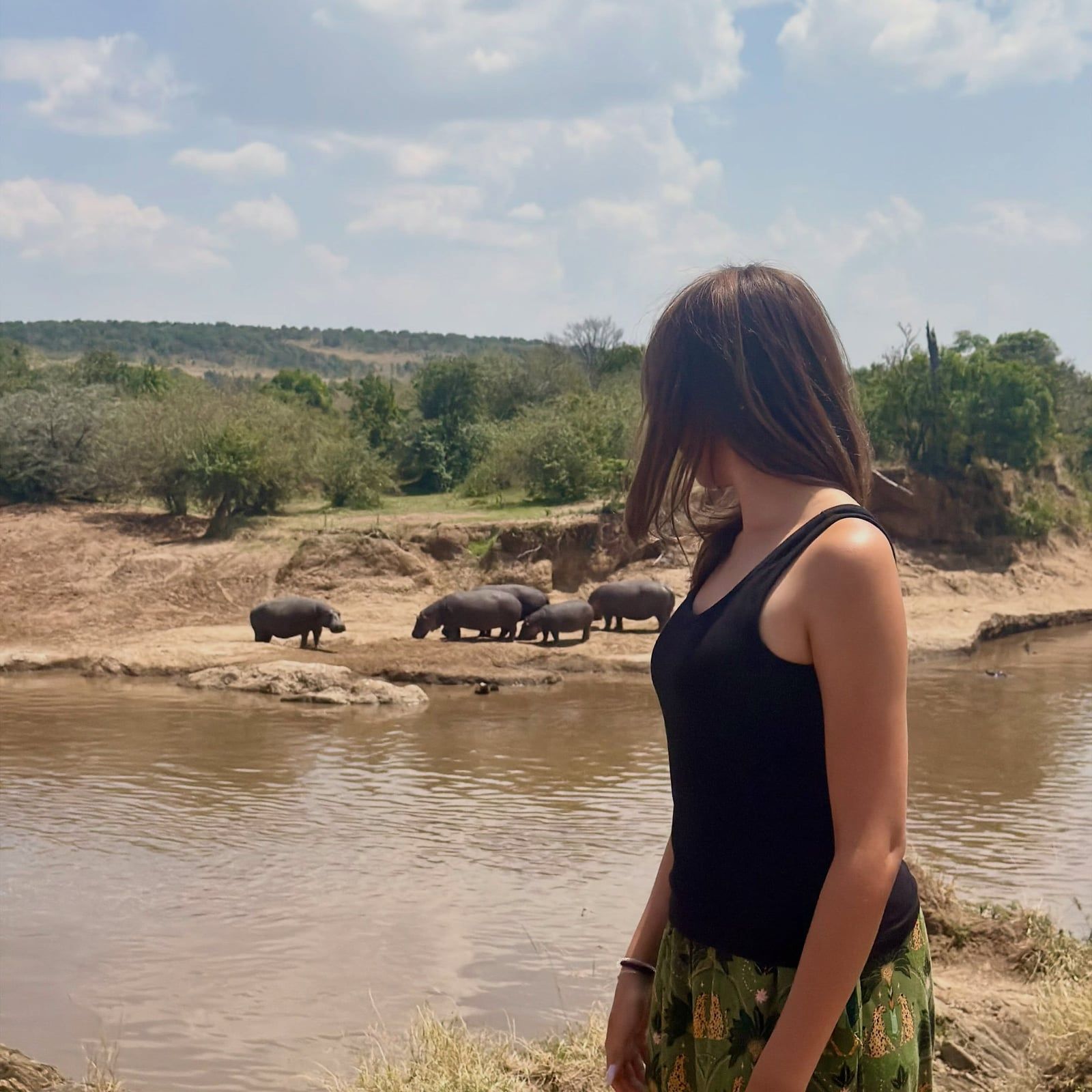
Close to 90 mammal species live in the reserve, and the Musiara, Talek and Sekenani sectors deliver big-cat sightings on most early drives. Gates open at 6 AM, when predators are still working the cool hours. Pack a fleece — open vehicles at that hour run 10-14°C.
Flights lift off before dawn and drift 1-1.5 hours over the plains, then land for a champagne bush breakfast; the full outing runs 4-5 hours and costs about US$450-600 per person. In July-October you may pass directly over migration columns. Book it early in your stay in case weather forces a retry the next morning.
The northwest sector beneath the Oloololo Escarpment sees a fraction of the Narok side's vehicle traffic and keeps its tracks in better condition. Entry costs the same US$100/200. Both its gates (Purungat Bridge and Oloololo) are cashless — card or M-Pesa only.
A guided visit near the gates runs US$30-50 per person and covers a homestead, jumping dances and beadwork. The reserve takes its name from this culture — 'Mara' means 'spotted' in Maa, for the acacia-dotted plains. Always ask before photographing anyone.
Private conservancies bordering the reserve (entry US$80-120) allow night drives and guided walking safaris, both banned inside the main reserve. Vehicle numbers stay low and leopard and cheetah densities run high. Many travelers split 2-3 nights in the reserve with 1-2 in a conservancy.
Four decisions shape your booking here: private or shared vehicle, reserve only or a Nakuru combo, which month, and how the cancellation terms treat your plans. Get those right and the safari mostly runs itself.
The 3-day luxury tented safari (US$2,515) runs as a scheduled departure, while two 4-day options give you a private Land Cruiser with no other travelers aboard. The fully private version starts at US$2,726.67 and lets you set the daily rhythm — worth it for photographers and anyone who hates leaving a sighting on schedule.
July-September camps fill 6-12 months out, and entry fees double to US$200/day in that window. December-February delivers similar resident wildlife with US$100 fees and fewer vehicles. Book late for peak season and you'll take what's left.
Most tours on this page bundle entrance fees — the 3-day tented safari and the private 4-day tour both list them, and the Nakuru combos include 'all fees and taxes'. Bought separately, reserve entry is US$100/day (Jan-Jun) or US$200/day (Jul-Dec) for non-resident adults. Conservancies add US$80-120 if your itinerary crosses into one.
Several 4-day tours pair the Mara with Lake Nakuru National Park, about 5 hours' drive away, adding flamingo flocks, black and white rhinos and 400+ bird species. If you're driving from Nairobi anyway, Lake Naivasha and Hell's Gate make an easy half-day stop on the route.
The dawn balloon flight (US$450-600) isn't part of standard tour pricing — reserve it 1-2 days ahead through your operator. Night drives and walking safaris exist only in the conservancies, so ask whether your camp sits inside one before assuming you can do either.
The 3-day tented safari and both wheelchair-marked 4-day tours list accessible transport, and all wildlife viewing happens from the vehicle, which suits limited mobility. The 5.5-6.5 hour road transfer from Nairobi is the hard part; flying from Wilson Airport (45-60 minutes) removes it entirely. Balloon flights work for anyone who can step into a basket.
These vary sharply between listings. Two tours refund in full up to 24 hours before departure; the 3-day tented safari needs 6 full days' notice for a full refund, pays 50% between 2 and 6 days, and nothing inside 48 hours. Check which policy applies before you pay.
Children under 8 enter the reserve free and 9-17s pay US$50 year-round. Specialized infant seats are available on some tours but rarely standard — request them in advance. A private vehicle lets you shorten drives and return to camp when the kids flag.
Swipe to see more
| 3-Day Luxury Tented Safari | Mara & Nakuru Mid-Luxury Combo | Private 4-Day Land Cruiser Tour | Mara & Nakuru Private Luxury | |
|---|---|---|---|---|
| Duration | 3 days / 2 nights (72h) | 4 days / 3 nights (96h) | 4 days / 3 nights (96h) | 4 days / 3 nights (96h) |
| Best for | First-timers short on time; rated 5.0 from 77 reviews | Two parks on a mid-range budget; rated 4.8 from 36 reviews | Photographers and pace-setters who want the vehicle to themselves | Non-English speakers — guides in German, Italian, French and Spanish too |
| Price from (USD) | US$2,515 | US$2,400 | US$2,726.67 | US$1,820 |
| Includes | All park fees, all meals, tented camp; wheelchair accessible; English-speaking guide; hotel, Airbnb and private-home pickup | 3 nights lodging, all fees and taxes, a/c vehicle, drinking water, airport/hotel pickup, driver-guide | Private open-roof 4x4, all meals, all park fees and taxes, Flying Doctors emergency cover, English or Spanish guide | Private vehicle, 4-star lodge, daily guided game drives in both parks |
Swipe to see more
All five open gates — Sekenani, Talek, Oloolaimutia, Musiara and Oloololo — operate 6:00 AM to 6:00 PM daily, year-round. Sand River Gate is currently closed. There is no night access; night drives are only legal in the surrounding conservancies.
Entry tickets are valid for 12 hours. Since 1 July 2023, guests staying outside the reserve pay a daily fee per daylight entry, so a camp inside the gates saves repeated charges.
The 10 AM rule matters: departing guests must exit by road, or reach their airstrip if flying, by 10:00 AM — otherwise a full extra day's fee (US$100-200) applies. Guides plan departures around it, but self-drivers should know it exists.
By air: scheduled flights from Nairobi Wilson Airport take 45-60 minutes and cost roughly US$150-250 one-way. Airkenya, Safarilink, Mombasa Air Safari and Fly ALS serve Keekorok, Mara Serena, Musiara, Olkiombo, Olare, Kichwa Tembo, Ngerende and Siana strips, with departures around 07:00, 10:30 and 14:00. The baggage limit is 15 kg per person in soft-sided bags only, and check-in closes 60 minutes before departure.
By road: 225-275 km from Nairobi via Narok town, taking 5.5 hours to the eastern gates (Sekenani, Talek, Oloolaimutia) and up to 6.5 to Musiara and Oloololo. The road is tarred all the way to Sekenani; a 4x4 is still recommended, and essential in the rains. Arrive at your gate before 3 PM so you reach camp in daylight.
On a budget: a Nairobi-Narok bus (first departures around 7 AM, 3-4 hours) plus the 'Talek Express' matatu to Sekenani (KES 400-600, 2-3 hours on murram) totals about US$15-25. Matatus stop running around 1 PM, so leave Nairobi early.
July to October is the prime window. Migration herds arrive around mid-July, Mara River crossings peak in August-September, and dry weather concentrates wildlife at permanent water. The trade-offs: entry doubles to US$200/day, vehicle numbers peak, and the best camps need booking 6-12 months ahead.
December-February is the quiet alternative — dry, good resident wildlife, US$100/day fees and far fewer vehicles at sightings.
Skip April and May if you can. The long rains turn murram sections to mud (4x4 mandatory), photography light goes flat, and some camps close outright. November's short rains bring similar but milder disruption, and March can turn wet as the rains build. Off-season rates are the cheapest of the year, if that matters more to you than game-viewing conditions.
Wheelchair users: there are no paved trails and tracks are rough, but all wildlife viewing happens from the vehicle, and specialized 4x4s with ramps and secured elevated seating can be arranged. Some camps — Karen Blixen Camp in Mara North Conservancy, for example — have ramps and grab-bar bathrooms. Book through an accessible-safari operator well ahead.
Seniors: game drives are seated and manageable; the hard parts are the 5.5-6 hour Nairobi transfer and 10-14°C mornings in an open vehicle. Fly-in safaris from Wilson Airport cut the road entirely, and a private vehicle lets you return to camp whenever you like.
Families: children of all ages are welcome and under-8s enter free. Request child car seats in advance (rarely standard), keep drives to 3-4 hours for younger kids, and plan malaria prevention with a doctor before departure.
Camping: public sites cost US$30 per non-resident adult per night, private sites US$40. Bookings go through marabookings.co.ke, and campers at private sites must hire two rangers for night security (KES 4,000).
Supplies: Narok town, 85-100 km from Sekenani Gate (2-3 hours), is the last reliable stop for fuel, banks/ATMs and supermarkets, plus a Maasai market. Don't count on stocking up closer to the reserve.
Payments: Mara Triangle gates (Purungat Bridge and Oloololo) are cashless — Visa, Mastercard or M-Pesa only. Other gates accept cash in USD or KES, and you can pre-pay via KAPS (KATO offices, Longonot Road, Upper Hill, Nairobi) to skip gate queues.
Balloon flights: the US$50 per-person landing fee is usually bundled into the US$450-600 flight price.
Stay in your vehicle except at designated points — elephants, buffalo, lions and hippos kill people who don't. Animal harassment draws a KES 10,000 fine; off-road driving the same; littering KES 500. Unpaid fines can mean a six-month ban from the Mara Triangle.
Drones are prohibited throughout the reserve and conservancies without written permission from reserve management and the Kenya Civil Aviation Authority. Unauthorized flying risks confiscation, fines, arrest or deportation.
Crowd control: when more than five vehicles gather at a sighting, viewing is limited to 10 minutes and waiting vehicles must hold 100 m back. Famous crossings can draw up to 200 vehicles, so make sure your guide plays by the rules.
Also: night game drives are banned inside the main reserve (conservancies only), carry your passport to prove residence for citizen/resident rates, ask permission before photographing Maasai people, and skip camouflage-pattern clothing anywhere in Kenya.
Most tours on this page do — the 3-day luxury tented safari and the private 4-day Land Cruiser tour both list park fees in their inclusions, and the Nakuru combos cover 'all fees and taxes'. Bought separately, reserve entry costs US$100/day (1 Jan-30 Jun) or US$200/day (1 Jul-31 Dec) for non-resident adults, so inclusion saves real money in peak season.
Three to four days. The standard 4 days/3 nights gives you four to six game drives and covers the main sectors at a relaxed pace, which is why most tours here run 72-96 hours. A Nairobi day trip is possible but rushed — about 5.5-6 hours of driving each way.
Six to twelve months for July-September, when migration-season camps fill and entry fees double to US$200/day. December-February offers similar wildlife quality with US$100 fees and more last-minute availability, if your dates are flexible.
Technically yes, but the drive is 5.5-6 hours each way and gates close at 6 PM, leaving barely two hours inside. Fly-in day trips from Wilson Airport (45-60 minutes each way) make a single long day workable. Still, most people find three nights the minimum for a satisfying visit.
No — balloon flights cost roughly US$450-600 per person on top of your tour, including the US$50 landing fee. The flight lasts 1-1.5 hours and ends with a champagne bush breakfast, with the full outing running 4-5 hours. Book it 1-2 days ahead and early in your stay, since weather cancellations usually retry the next morning.
Yes, several listed tours — including the 3-day tented safari and the private 4-day Land Cruiser tour — offer wheelchair-accessible transport and infant seats. Since all wildlife viewing happens from the vehicle, the game drives themselves adapt well; the main challenges are the long Nairobi road transfer and camps not built with access in mind.
It depends on the listing. Two tours here refund in full if you cancel at least 24 hours before departure, while the 3-day tented safari requires 6 full days' notice for a full refund, pays 50% between 2 and 6 days, and nothing within 48 hours of departure. Read the policy on your specific tour before paying.
Yes. Children under 8 enter the reserve free, 9-17s pay US$50/day year-round, and several tours offer specialized infant seats. A private vehicle is the better choice with kids — you can adjust departure times, return to camp early, and keep drives to 3-4 hours. Plan malaria prevention with a doctor beforehand.
Most stick to the main reserve and its migration crossings. Conservancies like Mara North, Naboisho, Olare Motorogi and Ol Kinyei (entry US$80-120) are separate private areas that permit night drives, walking safaris and off-road tracking — none of which are allowed in the reserve. If those matter to you, ask whether your camp sits inside a conservancy before booking.
Yes, the Mara sits in a malaria-risk zone year-round, so prophylaxis is recommended. See a travel clinic 4-6 weeks before departure, use a DEET-based repellent, wear long sleeves at dusk, and sleep under a net where your camp provides one.
Browse verified tours with free cancellation and instant confirmation.
Find Tours


A three-day tented-camp safari that starts with the drive down the Rift Valley — there's a stop at the viewpoint — before crossing the barley and wheat fields on the way to the Mara. From there the days are spent on game drives across the rolling grassland.Guide is English-speaking. Pickup covers hotels plus Airbnb, guesthouses, and private homes.Park entrance fees are all included, as are breakfast, lunch, and dinner. Cancel at least 6 full days before departure for a full refund; between 2 and 6 days out, you get a partial refund.
If you cancel at least 6 full day(s) before the scheduled departure time, you will receive a full refund.<br>If you cancel between 2 and 6 day(s) before the scheduled departure time, you will receive a 50% refund.<br>If you cancel within 2 day(s) of the scheduled departure, you will receive a 0% refund.
English


A four-day private safari that starts and ends in Nairobi, splitting three nights between mid-luxury lodges at or near the Masai Mara National Reserve and Lake Nakuru National Park. Road transport is included, with game drives inside both parks — the Mara for the Big Five (lion, elephant, leopard, buffalo, rhino), Lake Nakuru for flamingo flocks and one of the world's largest black and white rhino populations. A visit to a Maasai village may be added at no extra charge. Pickup and drop-off covers your hotel or the airport in Nairobi. The price includes all three nights in a double or twin room, breakfast, lunch, and dinner, all park fees and taxes, drinking water, air-conditioned vehicle transport, and a professional driver-guide throughout. Cancel at least 24 hours before departure for a full refund.
For a full refund, cancel at least 24 hours before the scheduled departure time.


Four days and three nights, entirely private — your own 4x4 Safari Land Cruiser with an open roof, an English-speaking driver-guide (Spanish also available), and no other travelers in the vehicle. The pace suits people who want long, unhurried game drives rather than a rushed loop; you set the rhythm with your guide. Accommodation for all three nights, every meal (breakfast, lunch, dinner), and drinking water are included, along with Flying Doctors emergency medical and rescue cover. All game drives listed in the itinerary are covered too. Extras aren't itemized by the operator, so ask before booking what's not in the price — park fees in particular are a common gap. Airport pickup needs your flight details in advance; the driver waits at the terminal exit holding a pager with your name on it. Cancel at least 24 hours before departure for a full refund.
For a full refund, cancel at least 24 hours before the scheduled departure time.
English, Spanish


Four days, two parks, and a private vehicle just for your group. This tour combines the Maasai Mara National Reserve with Lake Nakuru National Park, with guided game drives every single day — lions, elephants, giraffes, buffalo, zebra and rhino are all on the target list. You stay in a 4-star lodge throughout, and the package covers park fees, lunch and dinner. Because it's private, the pace is yours: linger at a sighting or move on when you've had enough. Guides are available in English, German, Italian, French and Spanish. Cancel at least 6 full days before departure for a full refund; between 2 and 6 days out, you'll get a partial refund.
If you cancel at least 6 full day(s) before the scheduled departure time, you will receive a full refund.<br>If you cancel between 2 and 6 day(s) before the scheduled departure time, you will receive a 50% refund.<br>If you cancel within 2 day(s) of the scheduled departure, you will receive a 0% refund.
German, English, Italian, French, Spanish