About All ToursSerengeti Safari ToursFrom Nairobi ToursSafari ToursMigration Safari ToursJeep Tours3 Day ToursLuxury ToursHot Air Balloon Tours Directions Hours & Fees Guides
Find Tours 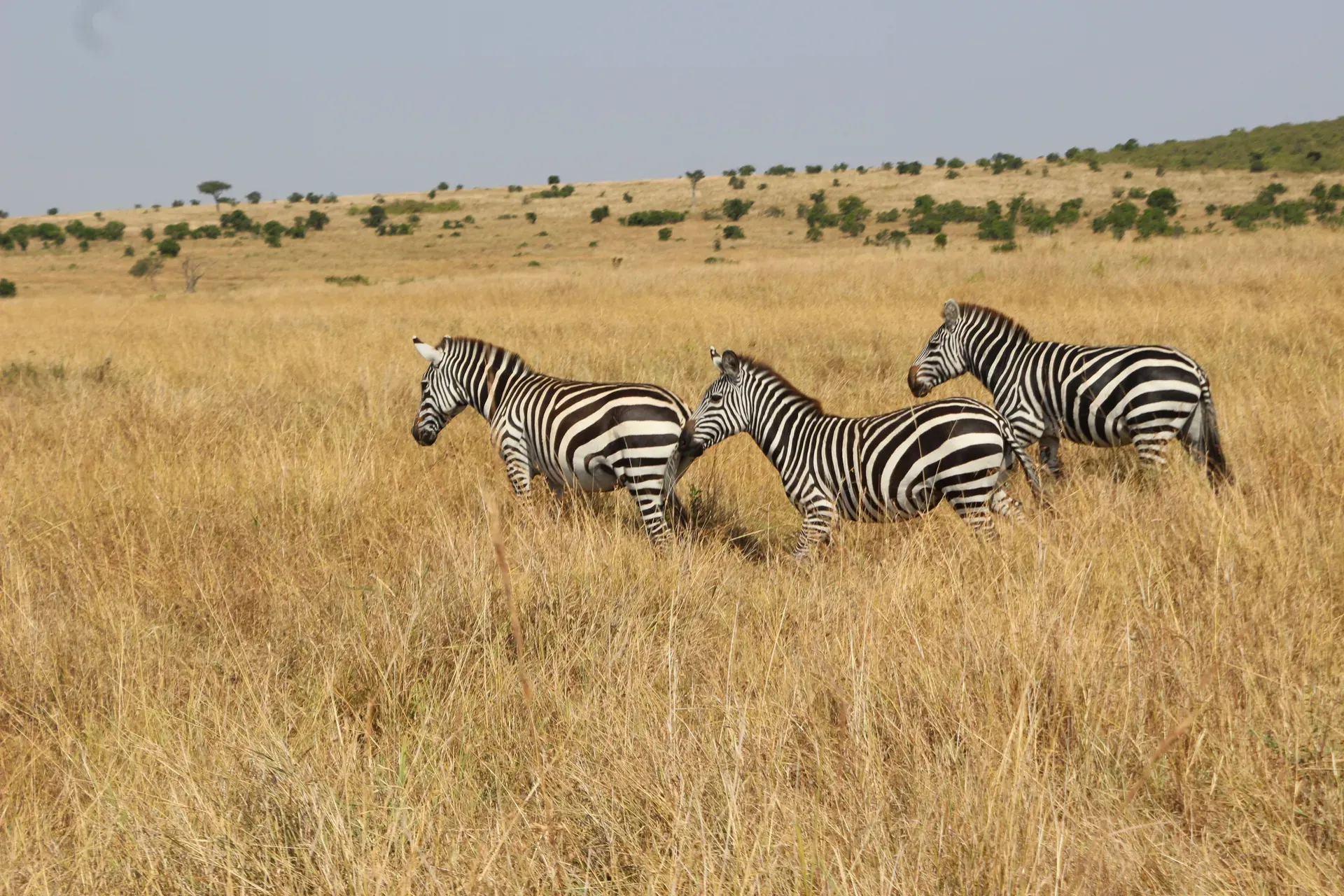
These 3 day Masai Mara tours from Nairobi range from budget group-joining safaris to private 4x4 Land Cruiser trips, most with 24-hour free cancellation. Prices start at $183 with top-rated options scoring 4.9 and above.
 Free Cancellation
Three-day group-joining Masai Mara safari in a 4WD Land Cruiser, with 2 nights in camps and airport pickup.
 Free Cancellation
3-day small-group budget safari from Nairobi in a 7-seat Land Cruiser, with 2 nights in ensuite tents.
 Free Cancellation
Three-day Nairobi round-trip safari in a 4x4 Land Cruiser, with two full days in the reserve and a Maasai village option.
 Free Cancellation
Three-day private Masai Mara safari by 4x4 Jeep, with a sunrise balloon flight and champagne bush breakfast.
 Free Cancellation
3-day group jeep safari from Nairobi with daily departures, 2 nights at Mara Ntulele camp, Masai village visit.
 Free Cancellation
3-day, 2-night Masai Mara safari from Nairobi with up to four private game drives and mid-range camp stay.
 Free Cancellation
Three-day budget safari from Nairobi CBD with hotel pickup, English-speaking driver-guide, and all meals included.
 Free Cancellation
Three-day group-joining Masai Mara safari with 7:00 am pickup, accommodation and meals included.

3-day Masai Mara safari from Nairobi with unlimited game drives, meals, and 6:30am departure.
 Free Cancellation
3-day group safari with Samliz Travel Kenya: meals, lodging, game drives, and multilingual guides included; park fees extra.
Read what travelers share about their experience visiting Masai Mara — from practical tips to personal highlights.
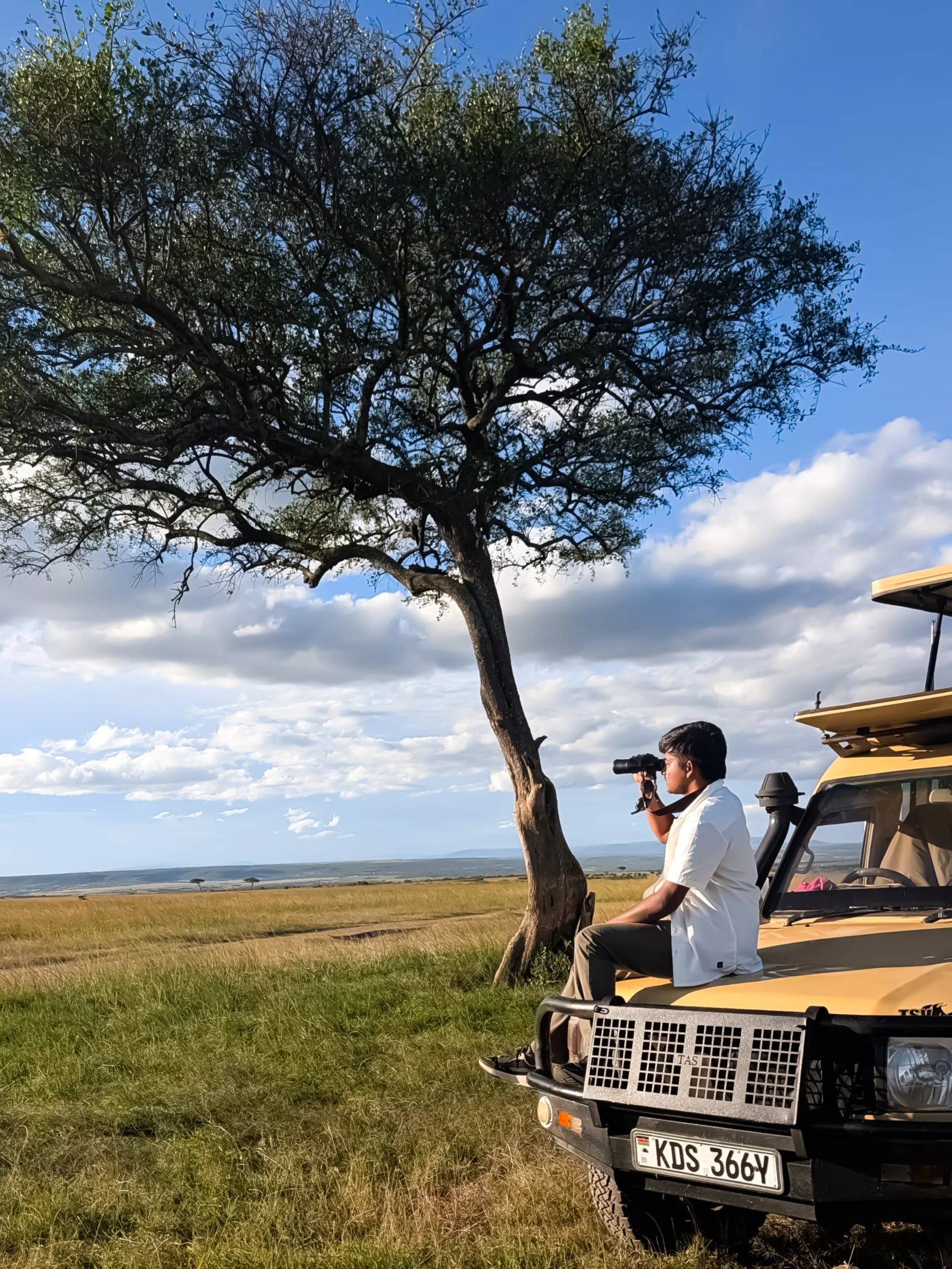
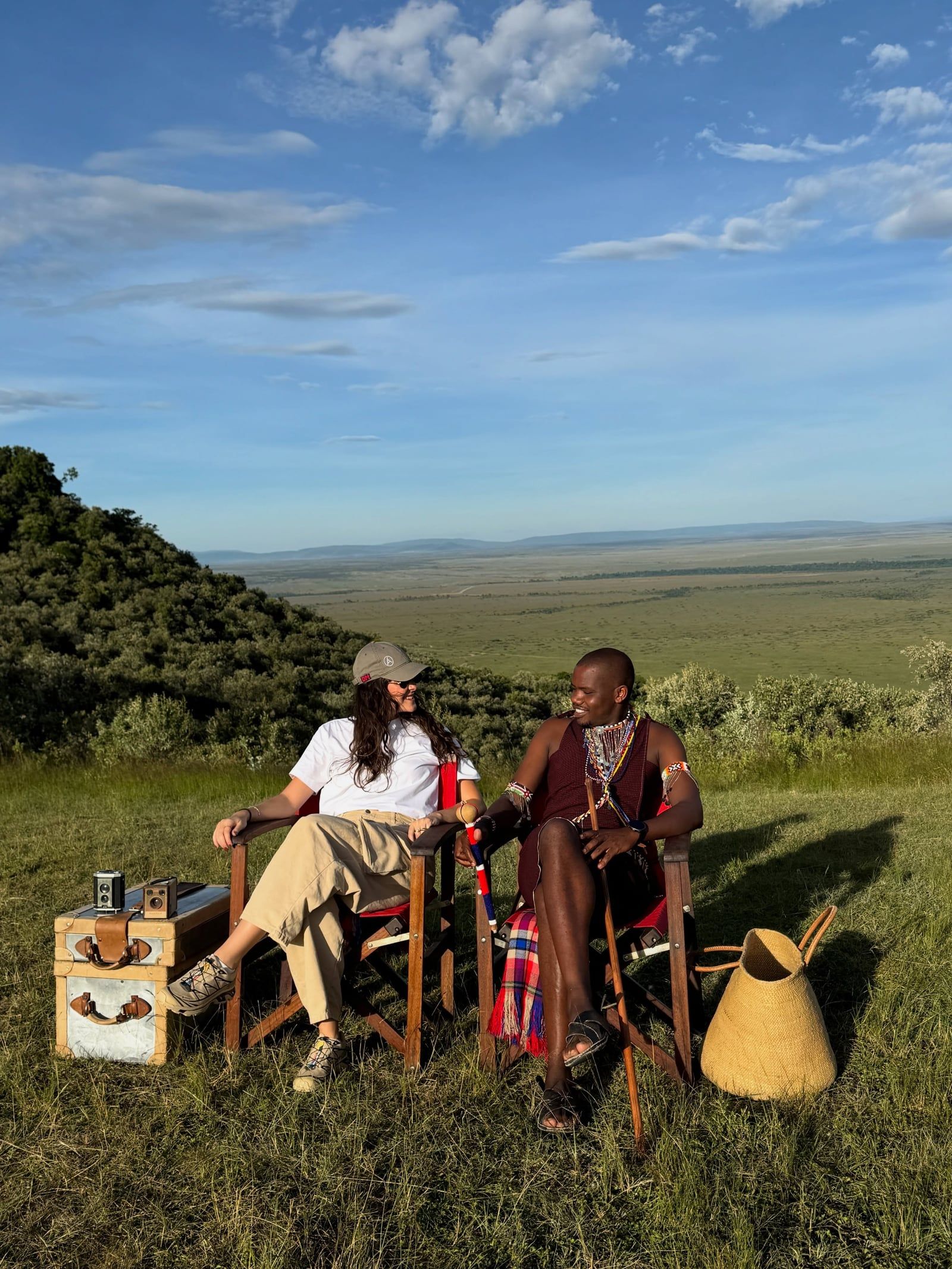
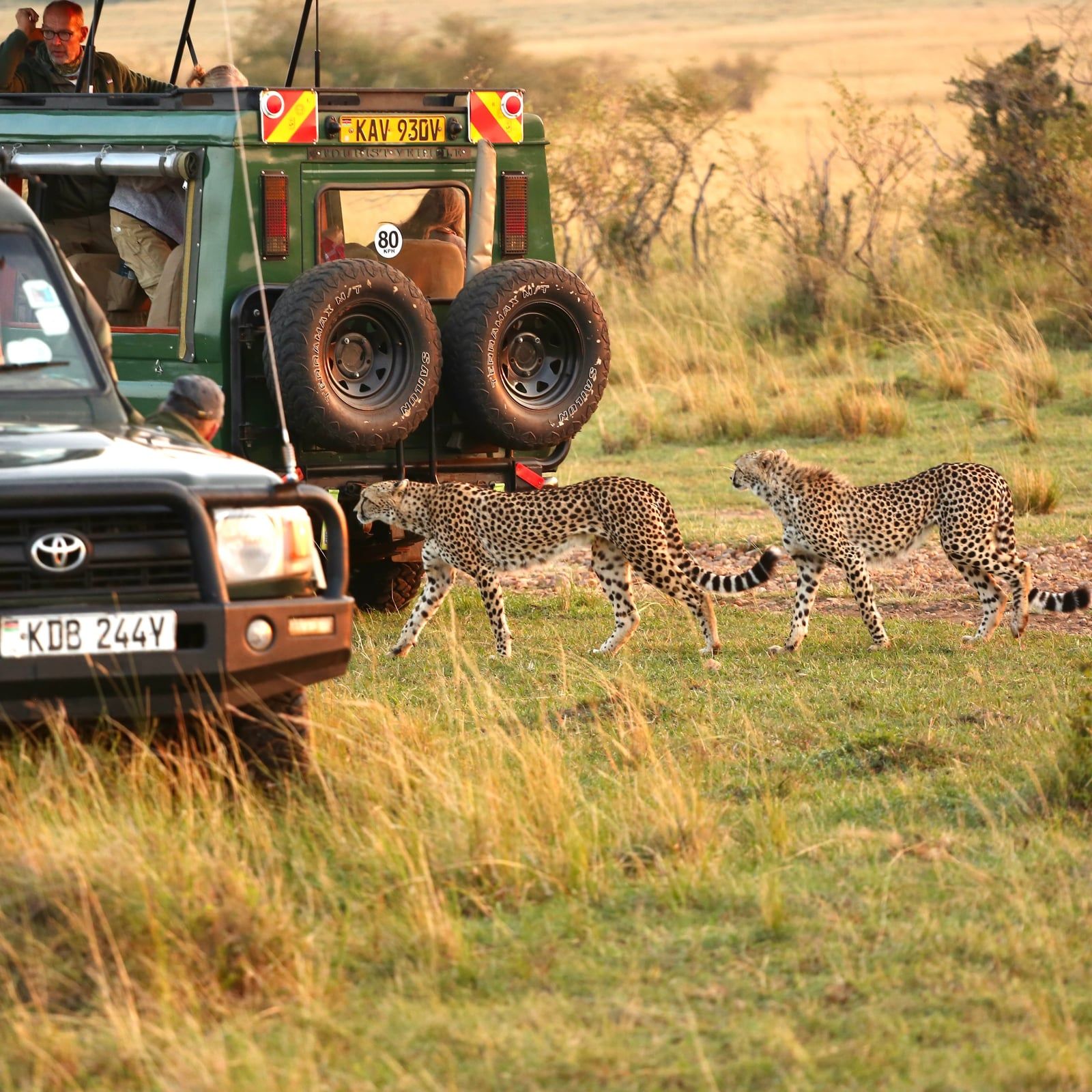
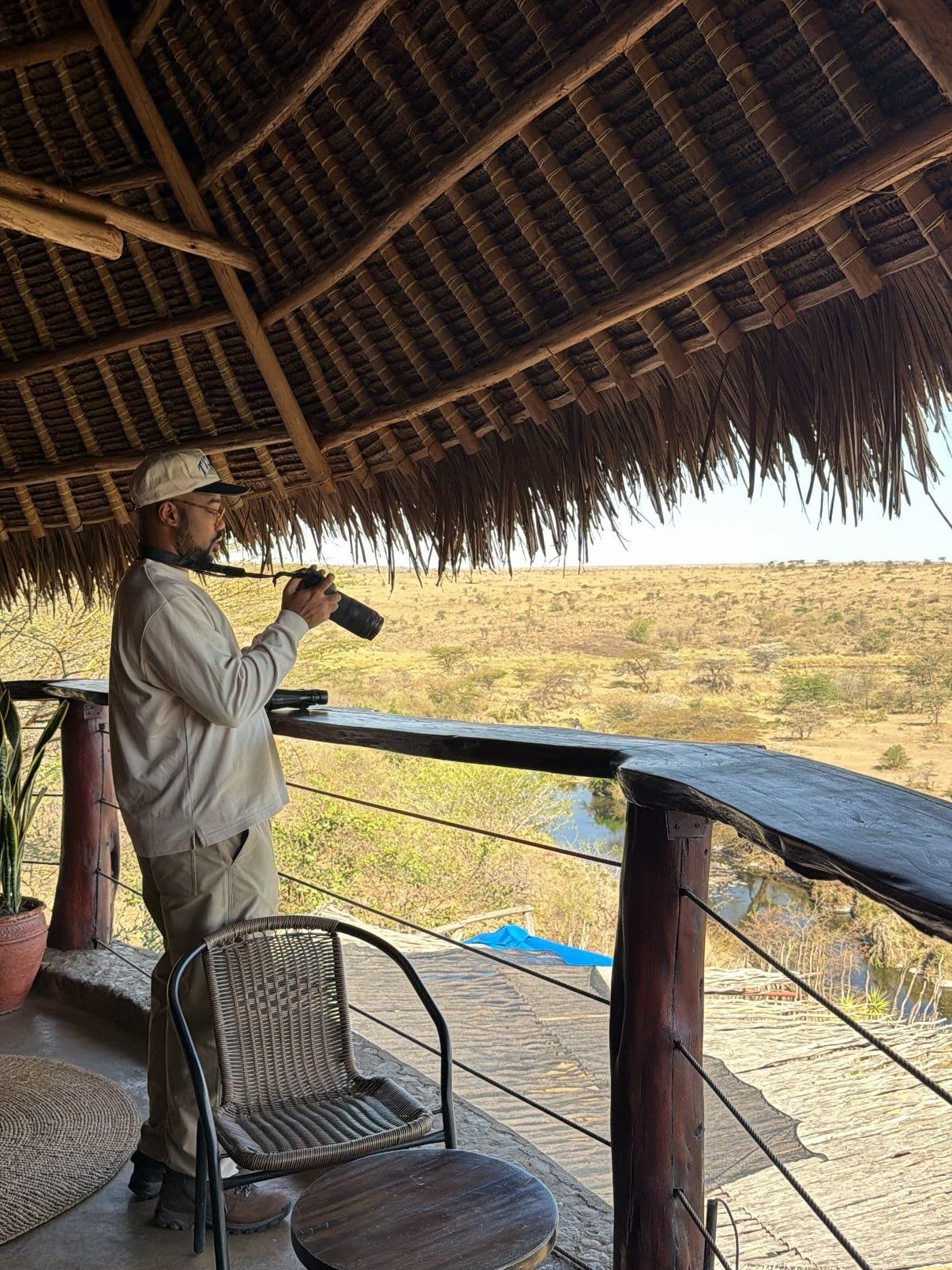
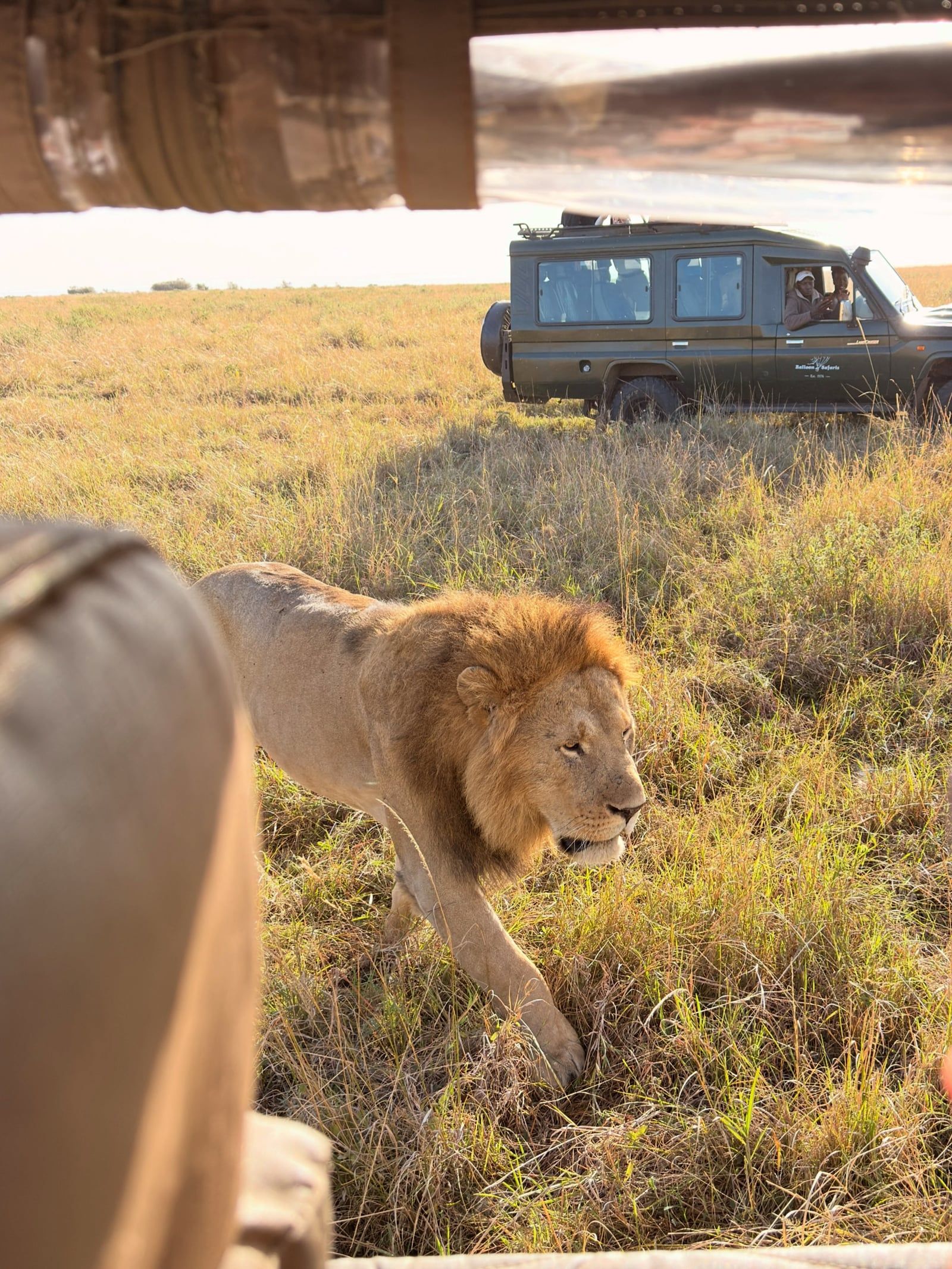
Three days is the standard Mara trip: day one drives you 225 km from Nairobi through the Rift Valley with a lunch stop at Narok, arriving for an afternoon game drive; day two is a full day inside the reserve; day three is a final dawn drive before the road back. You'll cover four to six game drives total, which is enough to work the Musiara, Talek and Sekenani sectors where big-cat sightings run close to guaranteed. Most tours bundle transport, a guide, two nights at camp and all meals, with park fees paid separately at the gate.
The open grassland around Musiara, Talek and Sekenani produces lion, leopard and cheetah sightings on most early drives, when predators hunt in the cool hours after the 6 AM gate opening. Close to 90 mammal species live here, including the full Big Five. Book the earliest departure your tour offers.
From mid-July to October, roughly 1.3-1.5 million wildebeest and 400,000 zebra push across the Mara River, braving currents and crocodiles near the Purungat Bridge area. Crossings peak in August-September and can draw dozens of vehicles, so arrive at the river early. When more than five vehicles queue, viewing is capped at 10 minutes.
Some 3-day itineraries build in a pre-sunrise balloon launch — a 1-1.5 hour drift over the herds, landing to a champagne bush breakfast. It costs about US$450-600 on top of your tour price, so book it 1-2 days ahead through your operator. Schedule it for day two in case weather forces a retry the next morning.
Several tours add a guided village stop near the reserve gates for US$30-50 per person, covering homesteads, songs, jumping dances and beadwork. It's the culture that gave the Mara its name — 'Mara' means 'spotted' in Maa, for the acacia-dotted plains. Always ask before photographing anyone.
Day two typically runs dawn to dusk between the Talek and Mara rivers, following wildebeest columns plus resident elephant and buffalo herds, with a packed bush breakfast or lunch. The premium option at US$820 offers unlimited drives — no daily cap — with on-board WiFi and parking fees included.
The run down from Nairobi drops onto the Rift Valley floor with a lunch stop at Narok, the biggest Maasai town, before the final murram stretch to the gates. It takes 5.5-6.5 hours, so most tours leave the city between 6:30 and 7:00 AM. You'll watch the escarpment open up from the vehicle — keep your camera out for the descent.
Nearly every 3-day Mara tour prices out at US$183-820 but excludes the reserve's entry fee, which you pay yourself at the gate. Knowing what's bundled and what isn't is the difference between a US$400 trip and a US$700 one.
Almost every tour on this page leaves the US$100/day entry fee (1 Jan-30 Jun) or US$200/day (1 Jul-31 Dec) out of the price — Samliz and the group-joining tours state this plainly. On a 3-day trip, budget roughly US$200-400 extra per adult for fees, payable at the gate in USD or KES. Children 9-17 pay US$50/day; under-8s enter free. Only the premium US$820 tour lists parking fees as included.
July-September is peak: the fee doubles to US$200/day and the best camps fill months ahead — book 6-12 months out. December-February gets you similar wildlife quality with lower fees and fewer vehicles. All ten tours here run year-round with daily departures.
Group-joining tours run US$183-385 and pair you with up to seven strangers in a shared Land Cruiser — the cheapest way for solo travellers. Private 4x4 tours (US$550) give you the vehicle and guide to yourselves, so drives run at your pace and you can return to camp when you like. One operator guarantees departures even with a single booking, since it owns its vehicles and camps.
Insist on a 4x4 Land Cruiser with pop-up roof, not a minivan — the top group tour (4.86 from 741 reviews, US$183) claims it's the only group safari on the market using Land Cruisers throughout. Off-road capability decides whether your guide can close in on a sighting or watch it from the main track. Wheelchair-accessible vehicles and infant seats exist but must be requested in advance.
Nine of the ten tours refund in full if you cancel at least 24 hours before departure. The US$820 premium option is stricter: full refund only up to 3 full days out, zero refund inside that window. Read the fine print if your dates might shift.
Standard inclusions are two nights' accommodation, all meals, a driver-guide and Nairobi pickup — many include free airport or CBD hotel collection. The budget camps run big tents with en-suite bathrooms, hot water and charging points, which is better than it sounds. Gratuities and drinks are typically extra.
Balloon flights (US$450-600, champagne breakfast on landing) and Maasai village visits (US$30-50) attach to most itineraries. Conservancies like Mara North or Naboisho charge US$80-120 extra and permit night drives and walking safaris, which are banned inside the main reserve.
Several tours list wheelchair accessibility and pram-friendly transport; game drives are seated, so fitness level rarely matters. Pregnant travellers are advised against two of the budget options because of the bumpy road. Malaria prophylaxis is recommended — see a travel clinic 4-6 weeks before you fly.
Swipe to see more
| Budget group joining (Land Cruiser) | Mid-range group safari | Private 4x4 tour | Premium unlimited-drive safari | |
|---|---|---|---|---|
| Price from | US$183 | US$247-385 | US$550 | US$820 |
| Group size | Shared, up to 7 travellers | Shared jeep with pop-up roof | Your party only | Small group |
| Best for | Solo travellers and first-timers — 4.86 rating from 741 reviews, free airport pickup, meals and 2 nights included | Couples wanting daily departures, Masai village visit included at the US$247 tier, lodge or budget camp options | Families and photographers — drives at your pace, up to four private game drives, wheelchair accessible with infant seats | Wildlife obsessives — unlimited game drives from dawn to sunset, on-board WiFi, parking fees included, multilingual guides |
| Park fees | Excluded: US$100/day Jan-Jun, US$200/day Jul-Dec | Excluded: payable at the gate | Excluded: budget separately | Parking fees included; entry fees still separate |
Swipe to see more
All reserve gates — Sekenani, Talek, Oloolaimutia, Musiara and Oloololo — open at 6:00 AM and close at 6:00 PM daily, year-round. Sand River Gate is currently closed. Entry tickets are valid for 12 hours.
Since 1 July 2023, guests staying outside the reserve pay per daylight entry. If you're departing by road, you must exit the reserve by 10:00 AM — or reach your airstrip by 10:00 AM if flying out — or another full day's fee (US$100-200) applies.
Tour departures from Nairobi typically run 6:30-7:00 AM to make the gates by early afternoon. The 6 AM gate opening is timed for predators, which hunt in the cool hours before midday heat — that's why your guide pushes for dawn starts.
By road from Nairobi: 225-275 km depending on your gate, 5.5-6.5 hours, tarred all the way to Sekenani Gate via Narok town. Allow 5.5 hours for eastern gates (Sekenani, Talek, Oloolaimutia) and up to 6.5 for Musiara and Oloololo. Most 3-day tours include this transfer with hotel pickup from Nairobi CBD.
By air: 45-60 minutes from Nairobi Wilson Airport (US$150-250 one-way) on Airkenya, Safarilink, Mombasa Air Safari or Fly ALS, landing at Keekorok, Mara Serena, Musiara, Olkiombo and other strips. Strict 15 kg baggage limit in soft-sided bags only; check in 60 minutes early.
Budget route: bus to Narok (3-4 hours, from ~7 AM departures) then the matatu to Sekenani (~KES 400-600, 2-3 hours) — matatus stop running around 1 PM, so leave Nairobi early. Total cost roughly US$15-25 one-way.
July to October is the prime window: migration herds arrive around mid-July, Mara River crossings peak in August-September, and dry weather concentrates wildlife at permanent water. The trade-offs are the doubled US$200/day entry fee, peak crowds and camps filling months ahead.
December-February is the smart alternative — dry, quiet, with excellent resident wildlife and the US$100/day fee. April and May are the long rains: muddy murram roads, poor light, some camps closed, but the cheapest rates and lush plains. November's short rains cause milder versions of the same problems.
Temperatures run 12-31°C. Mornings in an open vehicle sit at 10-14°C, which catches out travellers who pack only shorts.
The reserve has no paved accessible trails and rough tracks, but game drives work well for wheelchair users because all wildlife viewing happens from the vehicle. Several tours on this page list wheelchair-accessible transport and surfaces, and specialized 4x4s with ramps and secured elevated seating can be arranged through accessible-safari operators. Some camps, like Karen Blixen Camp in Mara North Conservancy, have ramps and grab-bar bathrooms.
Seniors manage game drives fine — they're seated — though the 5.5-6.5 hour road transfer from Nairobi is the hard part. Fly-in transfers (45-60 minutes) skip it entirely, and a private vehicle lets you control pace. Hot-air balloon flights are senior-friendly: if you can step into a basket, you can fly.
Children are welcome, under-8s enter free, and infant seats are available on several tours if requested in advance. Two budget tours advise against pregnancy because of the bumpy roads.
Tour accommodation is typically a safari camp: big tents with beds, linen, en-suite toilet and shower, hot water, a shared lounge-dining area and phone-charging points with electricity. Mid-range options move to lodges; the US$820 premium tour adds on-board WiFi and air conditioning.
Inside the reserve there are no shops or fuel — Narok town, 85-100 km from Sekenani Gate, is the last reliable stop for fuel, ATMs and supermarkets, plus a Maasai market. All tours include meals; bottled or mineral water is standard on most.
Public camping costs US$30 per non-resident adult (US$40 private), booked via marabookings.co.ke; private campers must hire two rangers for night security at KES 4,000. Balloon flights (US$450-600) land with a champagne bush breakfast and a US$50 per-person landing fee usually folded into the price.
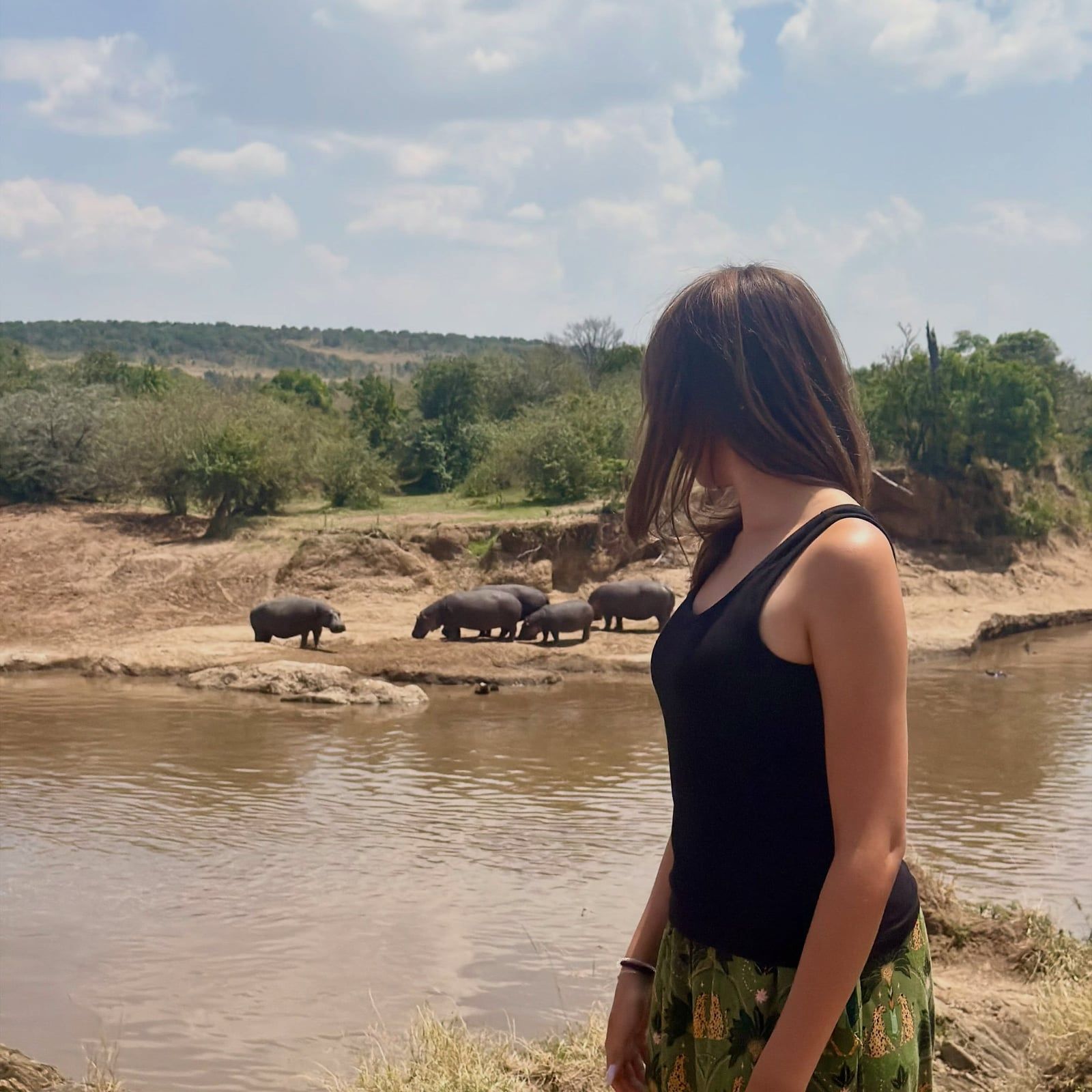
Stay in your vehicle except at designated points — elephants, buffalo and hippos kill people who don't. Off-road driving is fined KES 10,000, animal harassment KES 10,000, littering KES 500, and an invalid ticket KES 3,000 per person; unpaid fines can mean a six-month ban from the Mara Triangle.
Drones are prohibited across the reserve and conservancies without written permission from reserve management and the Kenya Civil Aviation Authority — unauthorized flying risks confiscation, fines, arrest or deportation. Night game drives are banned inside the main reserve and allowed only in the conservancies.
When more than five vehicles gather at a sighting, viewing is limited to 10 minutes and waiting vehicles must keep 100 m back. Mara Triangle gates (Purungat Bridge, Oloololo) are cashless only — Visa, Mastercard or M-Pesa; other gates take USD or KES cash. Carry your passport: proof of residence is checked for citizen and resident rates. Avoid camouflage clothing in Kenya, and never photograph Maasai people without asking.
Yes — 3 days gives you four to six game drives, enough to cover the Musiara, Talek and Sekenani sectors where big-cat sightings are near-guaranteed. Day one usually includes an afternoon drive, day two a full day inside the reserve, and day three a final dawn drive before the drive back to Nairobi. Wildlife obsessives often extend to a week, splitting nights between the reserve and a conservancy.
Non-resident adults pay US$100 per day from 1 January to 30 June and US$200 per day from 1 July to 31 December, so expect roughly US$200-400 on top of your tour price for a 3-day trip. Children aged 9-17 pay US$50 year-round and under-8s enter free. Most tours exclude these fees — check before booking, since a couple bundle them in.
Almost all include free pickup from hotels, apartments and Airbnbs within Nairobi CBD, and several offer complimentary airport collection — the US$183 group tour meets arriving guests at Paul's Caffe with a pager for identification. Samliz charges US$15 for a private airport cab (max 4 people) and US$20 for pickups beyond 3 km from the CBD. Confirm your pickup time after booking since it depends on location.
The best group tours use a 4x4 Land Cruiser with a pop-up roof rather than a minivan — the top-rated option (4.86 from 741 reviews) claims it's the only group safari on the market doing so. A Land Cruiser can go off-road to reach sightings away from the main tracks, which a van can't. Cheaper group-joining tours may mix in other vehicles, so check the listing if it matters to you.
Yes, and several itineraries build in the option — a 1-1.5 hour dawn flight over the herds with a champagne bush breakfast on landing, costing about US$450-600 per person on top of your tour. Book it 1-2 days ahead through your operator and schedule it early in your stay, since flights cancel in wind or heavy rain and operators typically retry the next morning.
Book 6-12 months ahead for July-September, when the herds arrive and Mara River crossings peak in August and September — entry fees double to US$200/day and the best camps fill early. The herds follow the rains rather than a calendar, so mid-July arrival dates shift year to year. If you can't plan that far out, December-February offers similar wildlife quality with lower fees and fewer vehicles.
Nine of the ten main tours refund in full if you cancel at least 24 hours before departure. The premium US$820 unlimited-drive option is the exception — full refund only up to 3 full days out, and zero refund inside that window. If your dates might move, stick to the 24-hour policies.
Drive if you're on a budget: the 225-275 km road transfer is included in every tour price and takes 5.5-6.5 hours with a lunch stop at Narok. Fly if the drive puts you off — 45-60 minutes from Wilson Airport for US$150-250 one-way — but note the strict 15 kg baggage limit in soft-sided bags only. All standard 3-day tours are road-based, so flying usually means a custom itinerary.
Yes — children under 8 enter the reserve free, kids 9-17 pay US$50/day, and several tours offer infant seats and pram-accessible transport. A private vehicle (from about US$550) is the family move, since you can adjust departure times, return early and manage naps privately. Plan malaria prevention with a doctor and keep drives to 3-4 hours for younger children. Note some conservancy camps set minimum ages.
The Mara lies in a malaria-risk zone, so prophylaxis is recommended — see a travel clinic 4-6 weeks before departure. Use a DEET-based repellent, wear long sleeves at dusk and sleep under a net where provided. The reserve itself is very safe for tourists; the main risks are malaria and the long road transfer.
Browse verified tours with free cancellation and instant confirmation.
Find Tours


This is a 3-day group-joining safari run in a 4WD Land Cruiser Jeep rather than the usual minivan — the operator claims it's the only group tour on the market doing so. Off-road driving is possible with these vehicles, which matters for reaching sightings away from the main tracks. Guides are English-speaking drivers who stay with the group throughout. Two nights of accommodation are included, in camps with WiFi, hot showers, private bathrooms, and mosquito nets over the beds. All meals are covered too — breakfast, lunch, and dinner for the duration. Pickup is free from the airport for guests arriving on the morning of departure, and the operator also collects from hotels, apartments, home stays, and Airbnbs, meeting you at the lobby or reception. Exact pickup time is confirmed after booking, depending on your location. Cancel at least 24 hours before departure for a full refund.
For a full refund, cancel at least 24 hours before the scheduled departure time.
English


A guaranteed daily departure — even with a single booking — sets this 3-day safari apart: the operator owns its vehicles and camps, so there's no cancellation for lack of numbers. You join up to 7 people in a customised 4x4 Land Cruiser rather than a big truck, which matters for offroad driving and photography windows. You sleep two nights in ensuite tents with a toilet, bathroom, bed, linen and mosquito nets. Hot water and electricity are available for charging phones and cameras. A professional driver-guide (English-speaking) handles the whole trip. Pickup is free from Nairobi CBD hotels and residences, plus the airport; apartments, villas and homestays within the pickup radius also qualify — contact the operator if yours is outside it. All meals (breakfast, lunch, dinner) and bottled water are included, as is the airport pickup. Park entrance fees and gratuities are not. Cancel at least 24 hours before departure for a full refund.
For a full refund, cancel at least 24 hours before the scheduled departure time.
English


This three-day safari starts with a morning departure from Nairobi, driving down to the Rift Valley floor with a lunch stop at Narok, the biggest Maasai town, before reaching Masai Mara National Reserve for an afternoon game drive. Day two is a full day inside the reserve (about 24 hours total across the stay), built around Big Five spotting. Day three offers an optional Maasai village visit before the drive back, with arrival in Nairobi at around 17:00 and drop-off at your accommodation. You travel in a 4x4 safari Land Cruiser with a pop-up roof for viewing. A professional English-speaking driver-guide, mineral water, and full-board accommodation are included. Entry fees are extra: $400 per person from July to December, with a lower rate January to June. Cancel at least 24 hours before departure for a full refund.
For a full refund, cancel at least 24 hours before the scheduled departure time.
English


A private 4x4 safari Jeep with an English-speaking guide is yours for three days, so game drives run at your pace rather than a group schedule. The Jeep's off-road capability means your guide can close in on sightings instead of watching from the main tracks. The standout morning is the balloon flight: you take off before sunrise, drift over the savannah as the light comes up, and land to a champagne breakfast served in the bush. That flight morning is the one you set an alarm for. All meals (breakfast, lunch, dinner) and accommodation are included, along with the guide. A branded vehicle meets you at a pre-agreed pickup point; your guide carries a name tag so you can find them. Cancel at least 24 hours before departure for a full refund — after that, no refund.
For a full refund, cancel at least 24 hours before the scheduled departure time.
English


This 3-day safari leaves Nairobi any day you want it to — the operator runs daily departures, so you're not tied to fixed start dates. You travel in a shared pop-up-roof jeep, which is what makes the price workable for solo travellers: you join a group rather than paying for a private vehicle. All game drives in the Masai Mara are included, along with a visit to a Masai village. Two nights are at Mara Ntulele camp, with breakfast, lunch and dinner covered, plus bottled water during game drives and the services of an English-speaking professional guide throughout. Pickup is from the airport or any hotel in the Nairobi CBD or Westlands. Cancel at least 24 hours before departure for a full refund.
For a full refund, cancel at least 24 hours before the scheduled departure time.
English


This 3-day, 2-night safari starts and ends in Nairobi, with road transport both ways and accommodation at a mid-range safari camp. You get up to four private game drives inside the reserve across the two full days, plus a bottle of water while out on game drives. All meals are covered — breakfast, lunch, and dinner — along with pickup and drop-off from any hotel, apartment, or the airport. Guides speak English. Two paid extras are available if you want them: a Maasai village visit and a hot air balloon flight. Cancel at least 24 hours before departure for a full refund.
For a full refund, cancel at least 24 hours before the scheduled departure time.
English


Three days in the Mara on a budget package, departing from a meeting point on Mama Ngina Street in Nairobi. Pickup and drop-off are included from any hotel or residence within Nairobi CBD, and if you fly in, an airport guest relations officer meets you at JKIA and transfers you to the departure area in a private car. A professional driver-guide runs the trip in English. All meals are covered — breakfast, lunch, and dinner — plus mineral water while you're on safari. Anything beyond that isn't included, so budget separately for park entry fees, drinks, and extras. Cancellation is free up to 24 hours before departure; after that, no refund.
For a full refund, cancel at least 24 hours before the scheduled departure time.
English


A 72-hour group-joining safari, so you share the vehicle with other travellers rather than paying for a private one. Pickup is at 7:00 am on day one. Accommodation and meals are covered in the price, and transport runs with air conditioning. The park entrance fee is separate — budget for it before you go, since it's not in the package. You can cancel up to 24 hours before departure for a full refund. The original listing leans on phrases like "top luxury tours at affordable prices," but the concrete facts are these: three days, shared group, 7:00 am start, bed and board included, gate fees extra.
For a full refund, cancel at least 24 hours before the scheduled departure time.


Three days in the Mara with unlimited game drives — no set limit on drives per day, so you can stay out from early morning until sunset if you want. Departure from Nairobi is at 6:30am, timed so you reach the lodges and check in as early as possible. Drivers speak English, French, Spanish, German, Chinese, and Italian. Transport is included, along with on-board WiFi, bottled water, all meals (breakfast, lunch, and dinner), and parking fees. Pickup is free anywhere within Nairobi county. Cancel at least 3 full days before departure for a full refund; inside that window, no refund.
If you cancel at least 3 full day(s) before the scheduled departure time, you will receive a full refund.<br>If you cancel within 3 day(s) of the scheduled departure, you will receive a 0% refund.


Samliz Travel Kenya runs this as a 72-hour group safari with multiple game drives spread across the three days, plus accommodation in lodges or budget camps depending on your budget. All meals are covered — breakfast, lunch, and dinner — along with on-board WiFi and air-conditioned vehicles. Guides work in English, German, Italian, French, and Spanish. Park entrance fees are not included and are paid at the gate: $100 per person per day in low season (Jan 1 – June 30), $200 per person per day in high season (July 1 – Dec 31). Booking high season effectively doubles that cost, so factor it into the price comparison with other listings. Pickup within central Nairobi is included; beyond 3 km from the CBD it's $20 for a 4-seater cab or $30 for a van (up to 8 passengers). Airport pickup is $15 for a private cab of up to 4 people, and the company can also help negotiate hotel rates in Nairobi if you arrive early. Cancel at least 24 hours before departure for a full refund.
For a full refund, cancel at least 24 hours before the scheduled departure time.
German, English, Italian, French, Spanish