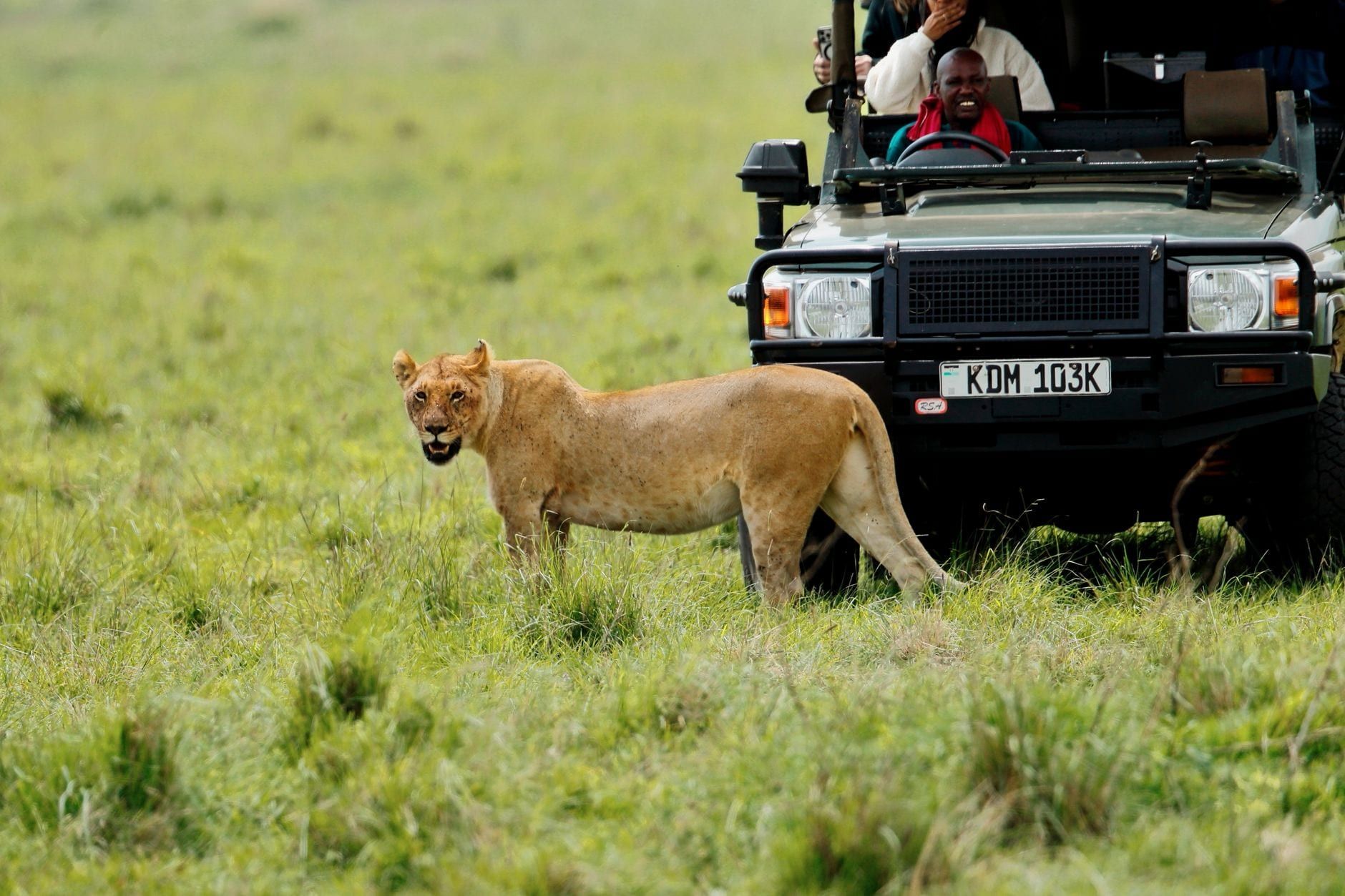
Game drives first, a dawn balloon flight if the budget stretches, and one afternoon with the Maasai — that's the core of a Mara trip. But the full menu runs longer than most first-time visitors expect: night drives with spotlights, guided walks in the conservancies, horseback safaris, fly camping and some of the densest big-cat viewing in Africa across 1,510 km² of savannah.
The catch is that what you're allowed to do depends entirely on where you sleep. This guide covers every bookable activity, what it costs, where it's legal, and which ones actually deserve your days and dollars. If you're still comparing Mara tours, the shortlist below will tell you which base camp to aim for.
How the Masai Mara Works: Reserve, Triangle, and Conservancies
Where you sleep decides what you can do. The Masai Mara National Reserve is public land managed by Narok County; its western wedge, the Mara Triangle, is run by a separate nonprofit called Mara Conservancy. Despite its own gates and cashless-only payment system, the Triangle follows Reserve rules. Ringed around the reserve sit private and community conservancies — Mara North, Naboisho, Olare Motorogi and Ol Kinyei among them. The animals ignore the boundary completely. The rules change at it.
Inside the Reserve and Triangle, you can game-drive by day, fly in a balloon, and eat at designated picnic sites. That's the whole list. Walking safaris, night drives, horseback riding and off-road driving are all prohibited. The conservancies unlock the rest: spotlight night drives, guided walks, riding and limited off-road tracking, with a fraction of the vehicle traffic. Fees differ too — US$100-200 per adult per day in the Reserve depending on season, US$80-120 in the conservancies (the full fee breakdown covers children's rates and payment quirks).
Four gate areas anchor the reserve: Sekenani and Talek in the east, Musiara in the north, Oloololo beside the Triangle. Your camp's position sets your drive times, and your camp's side of the boundary sets your activity menu. So build your shortlist first, then pick the bed — our guide to where to stay in the Mara sorts the options by sector and budget.
Game Drives: The Core Masai Mara Experience
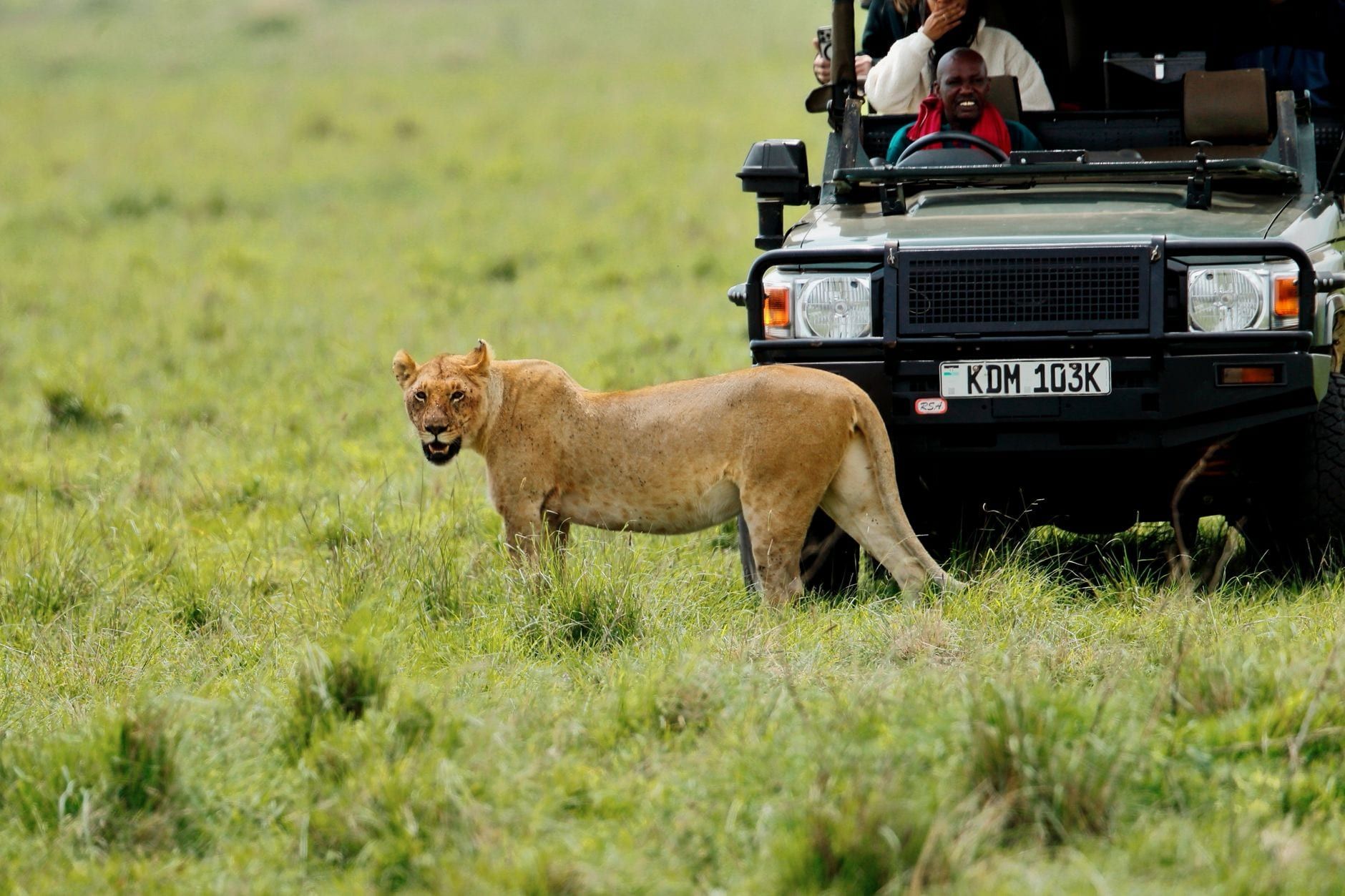
The morning drive is the one that matters. Gates open at 6 AM, and the first four to five hours deliver the Mara at its best: predators active in the cool hours, soft light for photography, and temperatures of 10-14°C in an open vehicle (bring a fleece — seriously). The grassland around the Musiara, Talek and Sekenani sectors produces near-guaranteed big-cat sightings on early drives.
Afternoon drives run shorter and finish by golden hour, since entry tickets are valid for 12 hours only, 6 AM to 6 PM, and game viewing must end within daylight. A full-day drive — eight to twelve hours with a packed breakfast and lunch — is what you book when you're chasing a river crossing in season or want to reach distant sectors without backtracking.
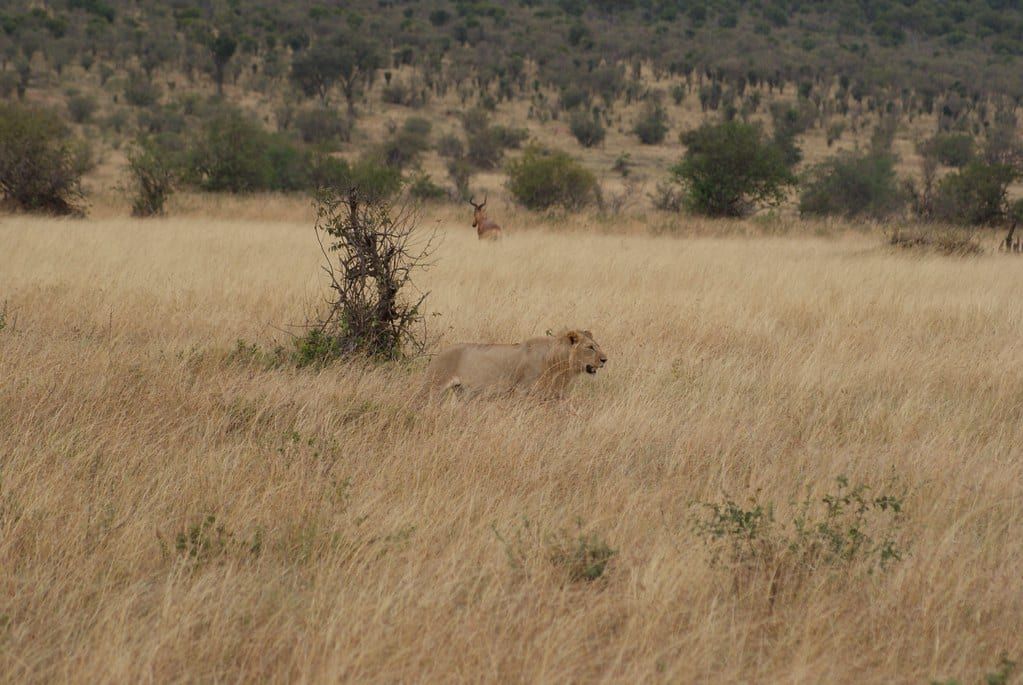
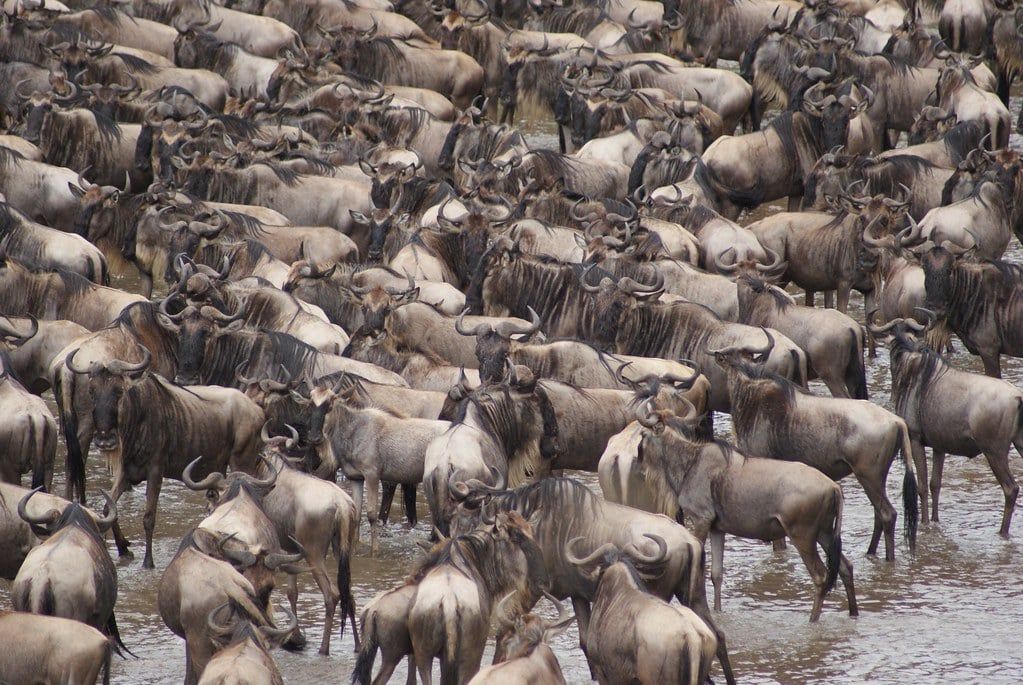
What are you driving for? The Big Five, close to 90 mammal species, one of the densest lion populations on earth (roughly 850-900 lions), around 300 cheetahs, and leopards seen often enough that most trips of three nights or more produce one. That density, on open grassland with few sightlines blocked, is the Mara's whole selling point.
Private versus shared vehicles comes down to control. A private vehicle costs more but guarantees a window seat, lets you linger at a hunt and return early with tired kids — the right call for families. Shared drives suit solo travellers and budgets. Serious photographers should ask about dedicated photographic vehicles, fitted with swivel seats and beanbags for long-lens work; they're a specialist booking, not worth it unless you came for the pictures.
The Great Migration and Mara River Crossings
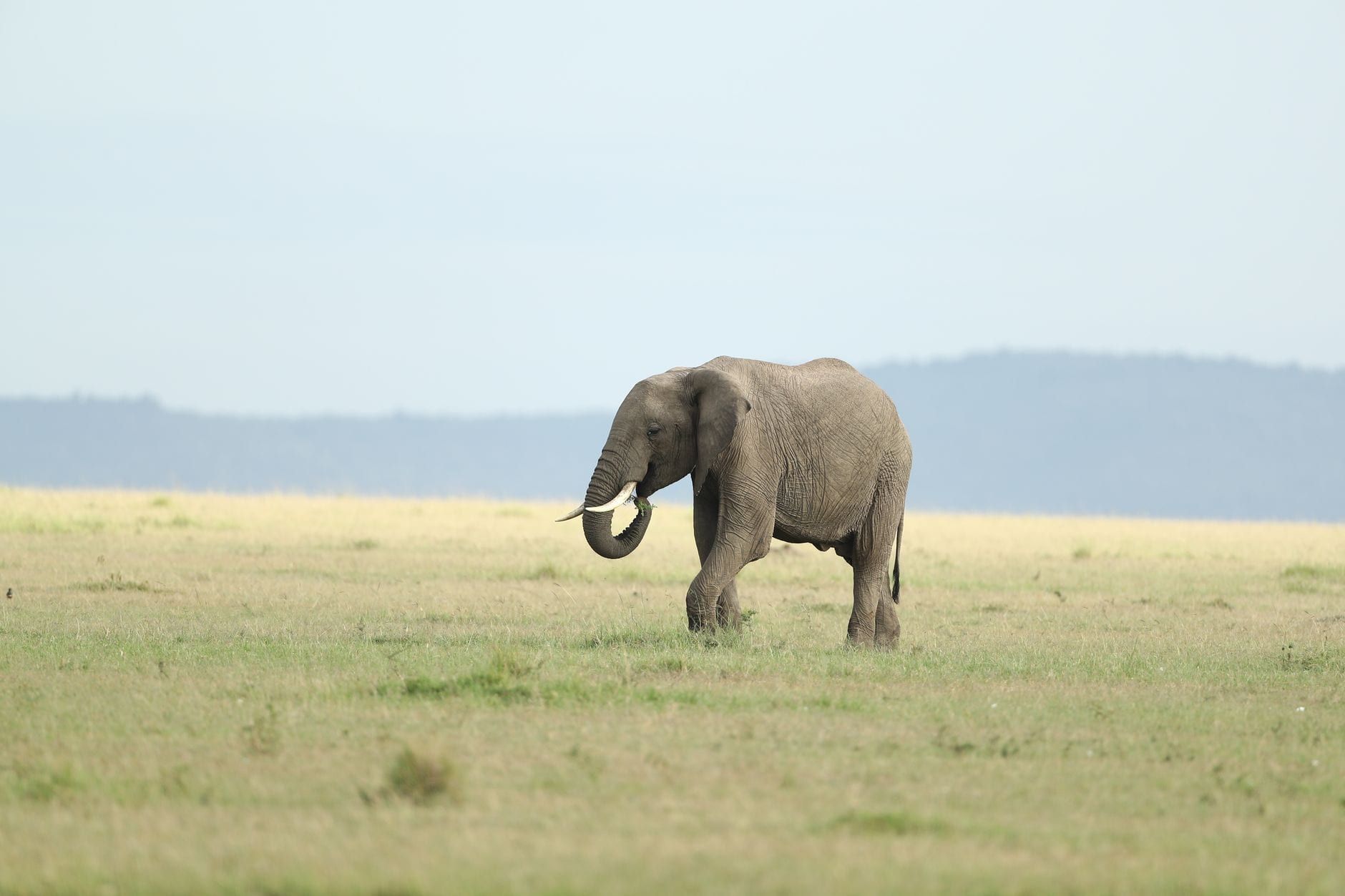
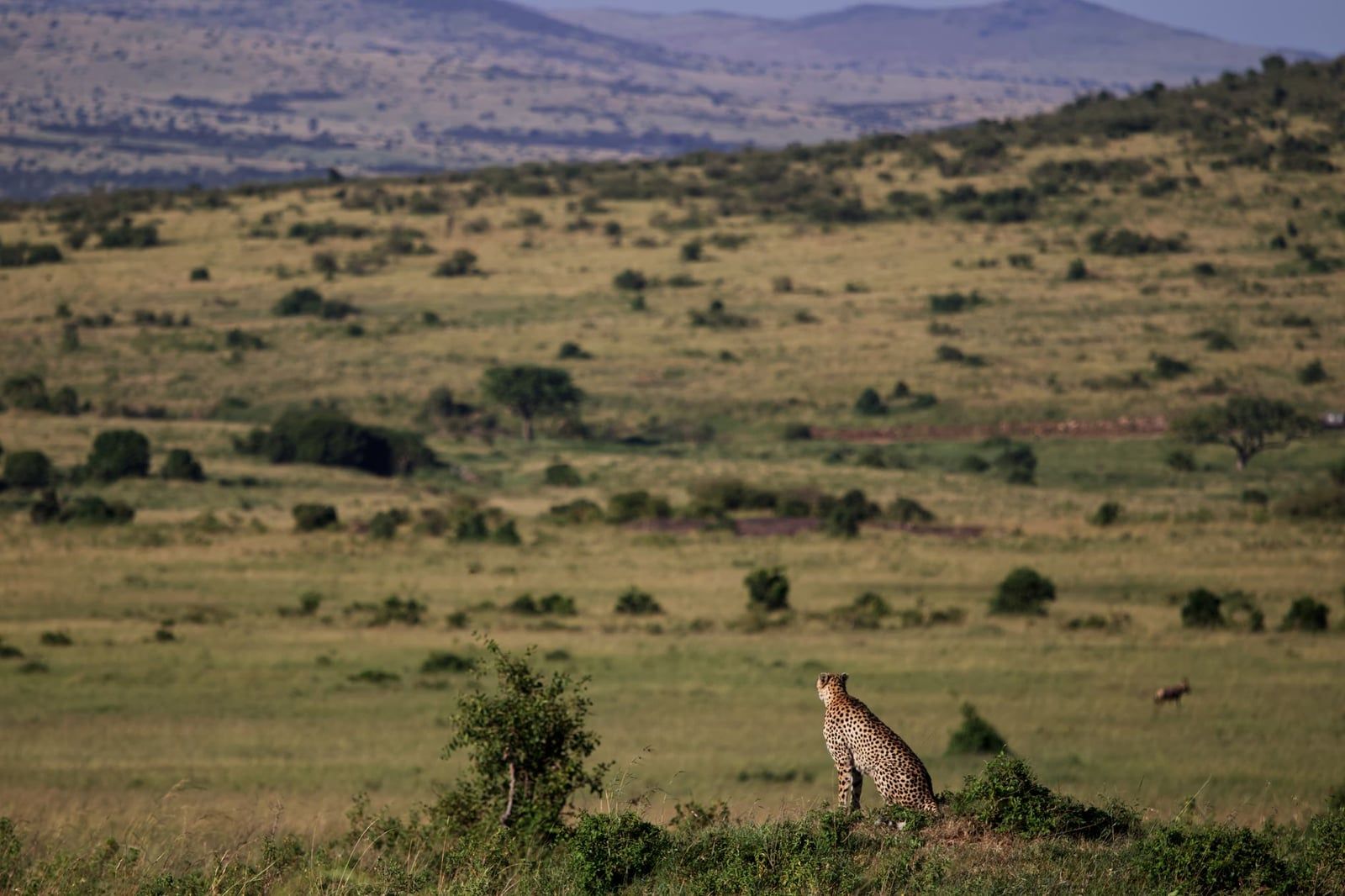
Roughly 1.3-1.5 million wildebeest, 400,000 zebra and some 300,000 gazelles circle the Serengeti-Mara ecosystem on an 800 km annual trek. They typically reach the Mara in mid-July and stay through October, with Mara River crossings peaking in August and September. The herds follow the rain, so nothing runs to a calendar — a good reason to give the river more than one day.
A crossing day is a full-day drive built around waiting. You park near a likely crossing point, sometimes for hours, while your guide reads the herd: animals massing on the bank, hesitating, backtracking. Wildebeest will mill at the water's edge for an hour and then walk away. The surge itself, when it comes, is over in minutes — braving strong currents and crocodiles — and famous points like the Purungat Bridge area can draw up to 200 vehicles.
Etiquette has teeth here. Never let your vehicle sit between a herd and the river, keep noise down, and don't pressure your driver to barge in — when more than five vehicles gather, viewing is capped at 10 minutes and waiting vehicles must hold 100 m back. Rangers fine off-road driving on the spot. Book a camp with practical Mara River access and, if this is the point of your trip, compare migration safari tours that time the whole itinerary around the crossings.
Hot Air Balloon Safari at Dawn
The wake-up call comes at 4-5 AM. You transfer to the launch site in the dark, get a safety briefing while the envelope inflates, and lift off at sunrise. The flight lasts one to one and a half hours, drifting silently over herds as they move below — a perspective no game drive can match. Landing brings a champagne bush breakfast, then a game drive back to camp. The whole morning runs four to five hours.
Cost is US$450-600 per person in a shared basket of about 16 passengers, usually including the transfer, breakfast and the US$50 Reserve landing fee (children pay US$20). Read the fine print: some budget operators now exclude breakfast to drop the sticker price, and park or conservancy entry fees are typically extra. In July-October you may see full migration columns from the air.
Restrictions apply: minimum age and height, pregnancy, back, hip and knee conditions, and weight limits, with the details varying by operator — confirm before paying. Flights cancel in wind or heavy rain, and operators usually retry the next morning. That's the trap: book your balloon safari for early in your stay, never your final morning, or a scrubbed flight is money lost.
Night Game Drives in the Conservancies
You cannot do this in the reserve. Night drives are banned inside the National Reserve and the Mara Triangle alike, and no camp inside either can arrange one. They run in the conservancies — Mara North, Naboisho and Olare Motorogi chief among them — typically starting at 7 PM or 9 PM and lasting about two hours, at roughly US$60-120+ per person. Book through your conservancy camp.
The payoff is a safari most visitors never see. Guides sweep spotlights fitted with red filters (easier on the animals' eyes) across the plains and turn up aardvark, honey badger, caracal, bush babies, bat-eared foxes, hyena on the move and the occasional leopard. Some camps run night-vision setups. If you're already sleeping in a conservancy, add this without hesitation; it's the cheapest way to see species that daytime drives almost never produce.
Walking Safaris and Bush Walks
Walking is not permitted inside the National Reserve — so like night drives, bush walks hinge on a conservancy or private-area base. Two formats exist: a short camp nature walk of 45-60 minutes (US$50-75+ per person) and a longer half-day bush walk (US$90-150+), the latter with an armed ranger and sometimes a support vehicle. Minimum ages apply, and closed shoes are non-negotiable.
What you get on foot is everything a drive skips. A good guide reads the ground like a newspaper — lion prints and how fresh they are, dung that identifies who passed and when, the medicinal uses of plants, termite architecture, dung beetles at work. The savannah at walking pace is a different ecosystem from the one you roll past at 20 km/h. One hard rule: never leave camp unaccompanied, anywhere, without a qualified guide.
Maasai Culture, Villages, and Conservation Experiences
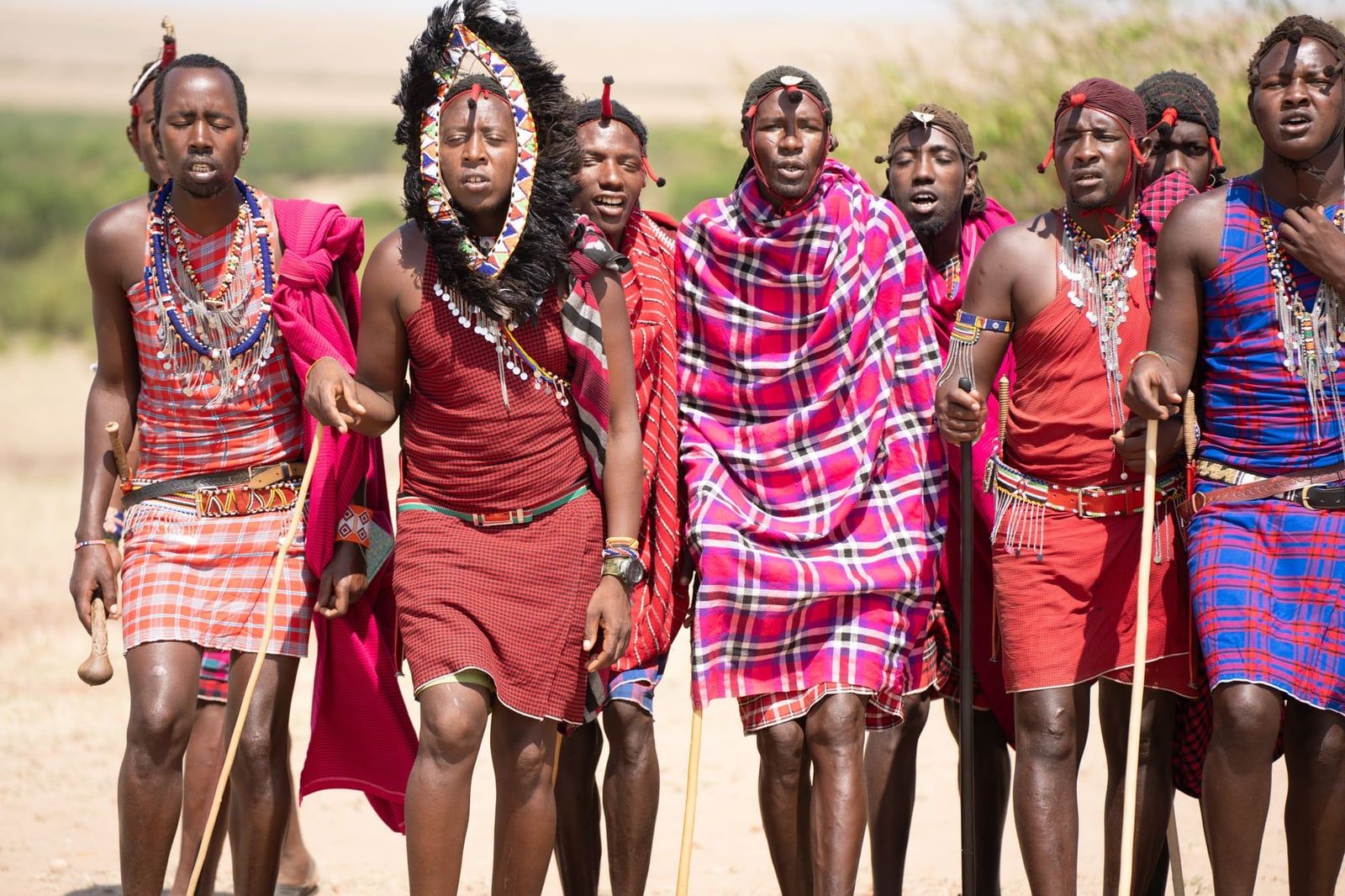
A village visit typically includes welcome songs, a walk through the manyatta (the homestead of mud-and-dung homes), the cattle enclosure at its centre, a demonstration of the jumping dance, and beadwork laid out for sale. Entry runs roughly US$20-50 per person, and at a well-run village that fee goes directly to the community. Ask — politely — how the payment is distributed before you commit.
Quality varies a lot. The good visits are conversational and community-owned: someone explains the age-set system, you ask questions, and buying beadwork is optional. The bad ones are scripted souvenir stops with a dance and a hard sell. Two checks separate them: who owns and operates the visit, and whether photographs are permitted — always ask before pointing a camera at anyone.
Beyond the village, many camps run conservation talks and ranger sessions covering anti-poaching work and how the conservancies are funded. And if you want the beadwork, buy it from the woman who made it — village prices beat lodge gift shops and the money lands where it should.
Horseback Safaris, Fly Camping, and Other Niche Adventures
Horseback safaris, like walks, run only in conservancies and private areas — never inside the Reserve. Operators split riders into novice, intermediate and experienced groups, and honesty about your ability matters more here than on any holiday ride: you'll share the plains with buffalo, giraffe and, in season, migration herds. Experienced riders can ride alongside the wildebeest columns. It's the closest you'll get to being part of the migration.
Fly camping is the other specialist night out: a paced guided walk to a temporary bush camp where you get a simple tent, a hot bucket shower and a chef-prepared three-course dinner under a sky with no light pollution. Only a handful of camps offer it, and it's usually booked as an add-on to a stay. Both experiences suit repeat visitors and adventure-seekers more than first-timers, who still have a balloon flight and a river crossing to get through.
Birdwatching in the Masai Mara
Roughly 470-500 bird species have been recorded across the ecosystem, and birding rewards you year-round — but October to April is best, when migrants from Europe and North Africa join the residents. Habitat drives the list: Musiara Marsh turns up rarities like the Rufous-bellied Heron; the Mara and Talek rivers hold seven kingfisher species plus Ross's and Schalow's turacos; the open plains produce secretary birds, ground hornbills and white storks, with raptors and vultures overhead.
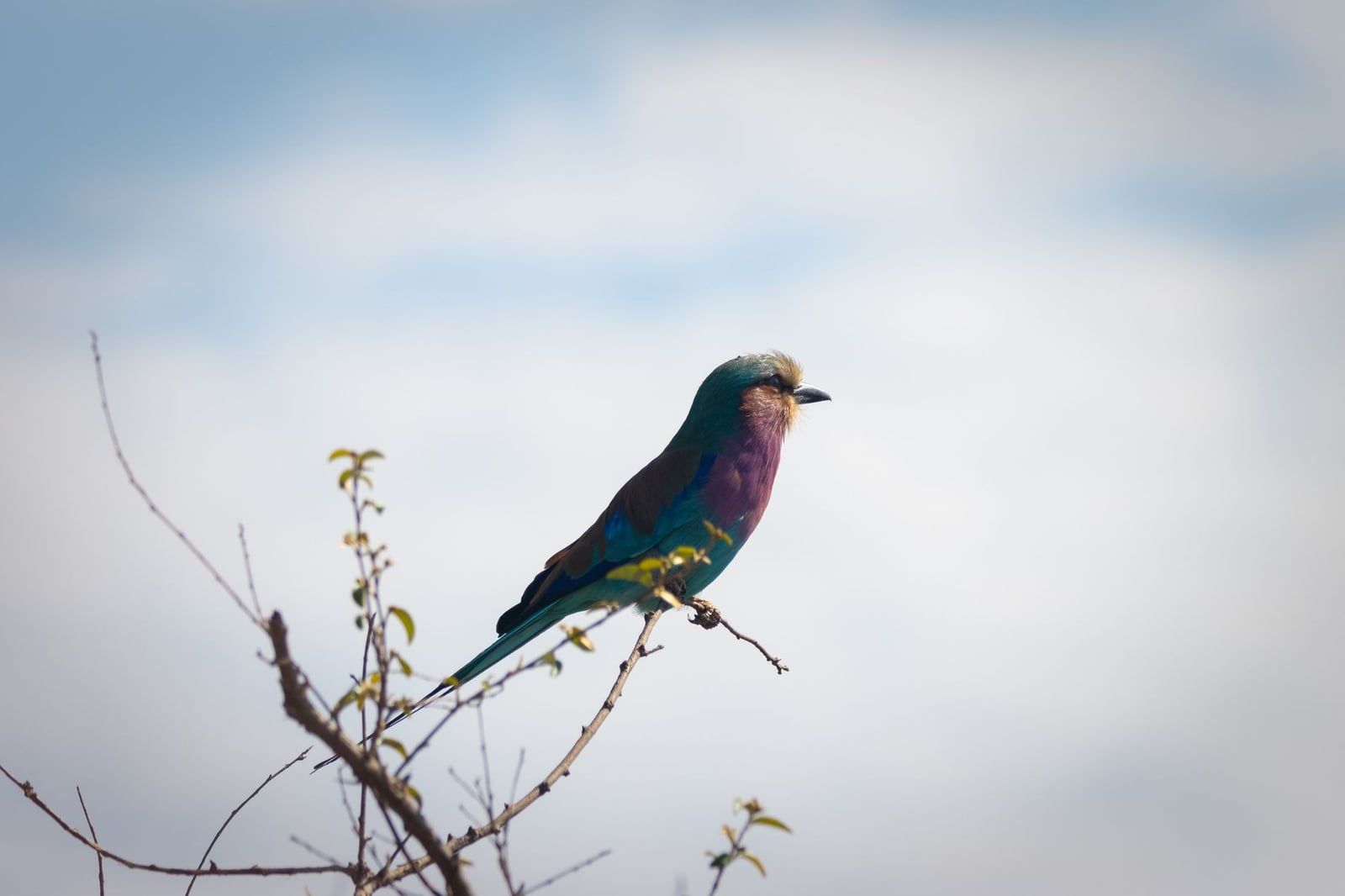
One tip decides the quality of your birding: tell your camp you're a birder when you book. Not every guide specializes, and camps would rather assign their birder to the birder than find out on day three. The lilac-breasted roller alone — common, electric-blue, and unperturbed by vehicles — makes the binoculars worth packing.
Sundowners, Bush Meals, and Camp Life
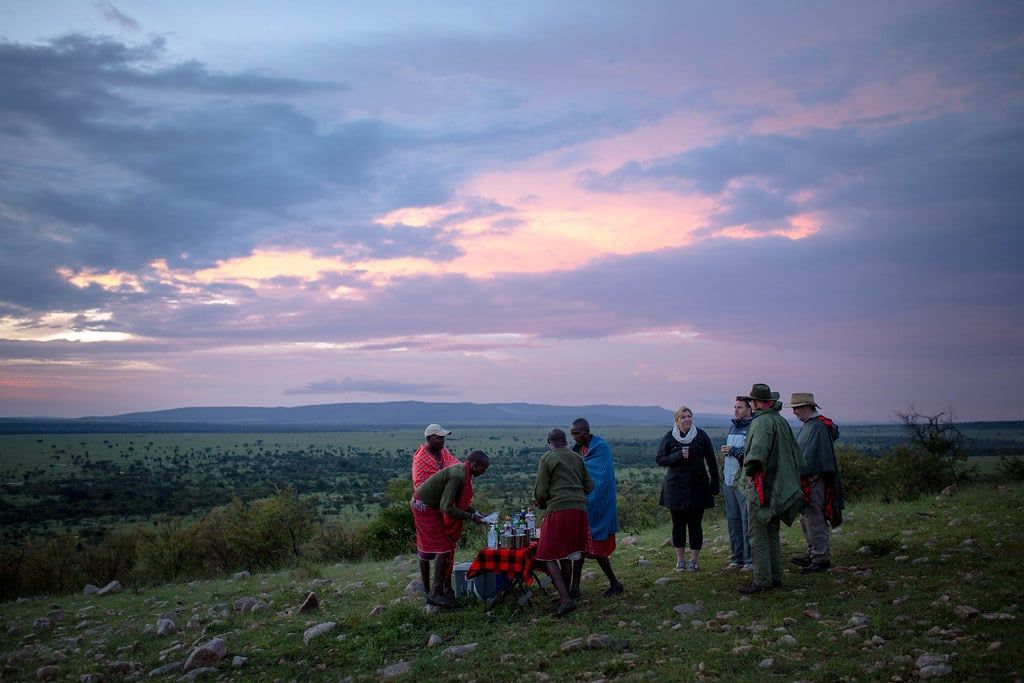
Sundowners are the safari ritual: your camp sets up drinks and snacks at a viewpoint as the light drops. They cost roughly US$40-80+ per person and are arranged on camp land or in the conservancies — they don't happen after hours inside the Reserve. Bush breakfasts, lunches and dinners follow the same logic, ranging from a full English cooked beside the vehicle to a private candlelit table for two.
Inside the Reserve, the equivalent is simpler: designated picnic sites, where you may leave the vehicle on full-day drives. Pack in, pack out — littering draws a KES 500 fine, and feeding wildlife is prohibited outright. Camp evenings fill the rest: campfire storytelling, and stargazing under a sky with essentially zero light pollution, where the Milky Way needs no effort at all.
Camp at night has rules of its own. Hippos, elephants, buffalo and predators move through apparently quiet camps after dark. You'll be escorted between your tent and the mess tent — always take the escort — and you should never wander camp boundaries alone at night. It sounds dramatic; in practice it's a 60-second walk with a Maasai askari and a good story on the way.
Planning Your Masai Mara Activity List
Every paid activity stacks on top of entry fees, so start with those. Non-resident adults pay US$100 per day from January through June and US$200 per day from July through December; children aged 9-17 pay US$50 year-round and under-8s enter free. Tickets run 12 hours (6 AM-6 PM), and if you're leaving by road you must be out of the reserve by 10 AM or you owe another full day. Conservancies add US$80-120 per adult per day on top of, or instead of, reserve fees.
| Activity | Where it's allowed | Best time | Typical price (US$, pp) |
|---|---|---|---|
| Game drive | Reserve, Triangle and conservancies | Year-round; Jul-Oct for migration | Included in safari packages |
| Hot-air balloon flight | Reserve and conservancies | Jul-Oct for herds from the air | 450-600 |
| Night game drive | Conservancies only | Year-round | 60-120+ |
| Guided walk | Conservancies only | Year-round | 50-150+ |
| Maasai village visit | Near all main gates | Year-round | 20-50 |
| Sundowner or bush meal | Camp land and conservancies; Reserve picnic sites by day | Year-round | 40-80+ |
Some honest verdicts. The balloon flight: yes, if the budget allows and your camp's transfer to the launch site is short — and book it for day two, not your last morning. The night drive: only worth it if you're conservancy-based, in which case it's essential. The village visit: worth US$20-50 if it's community-run; vet it first. The long bush walk: worth it if you have half a day and reasonable fitness. The photographic vehicle: serious shooters only.
Trip length shapes the list. Three nights is the sweet spot for first-timers — an arrival drive, two full safari days, a departure morning — and three-day itineraries show how the pieces fit. Two nights means game drives and one special morning, nothing else. Four to five nights suit photographers and migration-focused trips, ideally split between reserve and conservancy.
Season matters as much as length. July-October brings the migration and river crossings, at US$200/day entry and peak crowds. December-February delivers similar resident wildlife with fewer vehicles. October-April is the birding window and the green season, when camps drop their rates. Our month-by-month guide breaks down the trade-offs in detail.
By traveller: families should book a private vehicle, keep drives to 3-4 hours for young kids, and check camp minimum-age policies — conservancy camps are stricter than reserve lodges. Couples get the private sundowners and bush dinners. Solo travellers save on shared drives. Limited mobility is better handled here than at most safari destinations, since all viewing happens from the vehicle: ramp-fitted 4x4s and accessible camps exist, fly-in transfers from Nairobi's Wilson Airport skip the 5.5-6 hour road journey entirely, and the balloon takes you if you can step into the basket. Most visitors arrive on tours from Nairobi, which handle vehicles, fees and guide assignments in one package.
Before you pay for any activity, confirm three things: what's actually included, whether park or conservancy fees are extra, and the cancellation policy — weather especially, for balloons. That checklist separates the trips that flow from the ones spent arguing at reception.
Frequently asked questions
What are the best things to do in the Masai Mara for first-time visitors?
Prioritize game drives including at least one full day, a Maasai cultural or conservation experience, and — if the budget allows — a dawn balloon flight. Everything else (night drives, walks, riding) depends on staying in a conservancy.
How much does a hot air balloon safari in the Masai Mara cost?
US$450-600 per person for a shared flight of one to one and a half hours. The US$50 Reserve landing fee and champagne bush breakfast are usually bundled, though some budget operators exclude breakfast, and park or conservancy entry fees are typically extra.
Can you do night game drives in the Masai Mara?
Not in the National Reserve or the Mara Triangle — they're prohibited there. Conservancies such as Mara North, Naboisho and Olare Motorogi run them: about two hours, starting at 7 PM or 9 PM, for roughly US$60-120+ per person.
How many days do you need in the Masai Mara?
Three nights is the sweet spot: an arrival drive, two full safari days and a departure morning. Two nights works when time is tight; four to five nights suit photographers and migration-focused trips.
When is the best time to see the Great Migration and river crossings?
The herds are usually in the Mara from mid-July through October, with river crossings peaking in August and September. Crossings are unpredictable — a vehicle can wait hours — so plan multiple full days near the river rather than one.
How much are Masai Mara park entry fees?
Non-resident adults pay US$100 per day January-June and US$200 per day July-December. Children aged 9-17 pay US$50, under-8s enter free, and tickets are valid 12 hours (6 AM-6 PM).
Are Maasai village visits worth it?
At US$20-50 per person, yes — when the visit is community-owned and conversational rather than a scripted souvenir stop. Ask who operates it and how the fee is distributed before booking, and always ask before photographing anyone.
Can you walk on foot in the Masai Mara?
Not on your own, and not inside the National Reserve. Guided walks happen in conservancies: short camp walks of 45-60 minutes (US$50-75+) and longer bush walks (US$90-150+) with armed guides and minimum-age limits.